
Choosing a decorative lighting manufacturer is not only about finding a low price. For designers, wholesalers, retailers, hotel buyers, restaurant owners, and project procurement teams, the right supplier should support design development, stable quality, export packaging, flexible MOQ, clear communication, and repeat production.
A beautiful pendant light can still become a project problem if the size is wrong, the finish is inconsistent, the packaging is weak, or the factory cannot repeat the same product later. Before placing an order, buyers need a clear checklist to evaluate whether a lighting supplier can support real business needs.
This decorative lighting manufacturer checklist helps B2B buyers compare suppliers before ordering custom pendant lights, chandeliers, wall lights, or decorative lighting collections.
OBBAO Lighting manufactures custom decorative lighting for hotels, restaurants, villas, designers, wholesalers, retailers, and commercial interior projects.
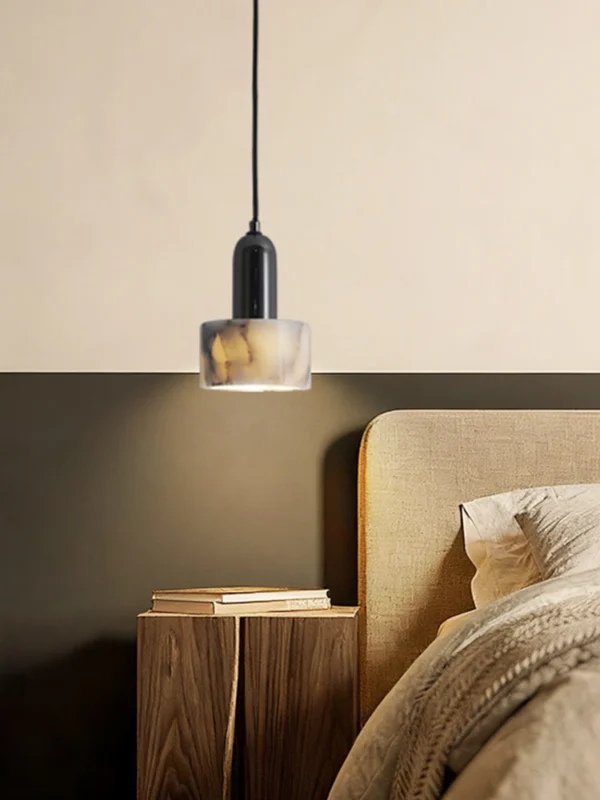
1. Product Category Fit
The first question is whether the manufacturer actually produces the type of decorative lighting you need. Some factories focus on simple mass-market lamps, while others specialize in custom decorative lighting, hospitality lighting, or material-driven designs.
Check whether the supplier can support:
- Pendant lights
- Chandeliers
- Wall lights
- Ceiling lights
- Fabric lighting
- Ceramic lighting
- Silk or soft texture lighting
- Marble and stone lighting
- Wabi-sabi and organic modern lighting
- Hotel and restaurant project lighting
If your project needs warm decorative lighting with material texture, choose a supplier with experience in custom finishes, handmade surfaces, and interior design projects.
View OBBAO fabric pendant lights for guest rooms, lounges, restaurants, and repeated project installations.
2. Customization Capability
Customization is one of the most important parts of decorative lighting sourcing. A good manufacturer should clearly explain what can be customized and what requires deeper development.
Ask whether the factory can customize:
- Shade size
- Shape and structure
- Material
- Color and finish
- Cable length
- Canopy finish
- Lamp holder
- Diffuser
- Packaging
- Private label details
For custom pendant lights, small changes such as cable length or canopy color are usually easier. New shapes, new molds, special glaze, exclusive fabric, or oversized structures may need more sampling and higher MOQ.
For detailed customization choices, read our guide to custom pendant light options.
3. Sample Order Support
Samples are important because decorative lighting cannot be fully judged from photos. Buyers need to see real texture, scale, color, weight, packaging, and light effect before bulk production.
Before choosing a manufacturer, ask:
- Can I order one sample first?
- What is the sample cost?
- How long does sampling take?
- Can the sample be customized?
- Will the bulk order match the approved sample?
- Can the factory provide photos or videos before shipping?
A supplier that supports sample orders can reduce risk for retailers, designers, and hotel project buyers.
For MOQ planning, read the low MOQ custom pendant lights guide.
4. MOQ Flexibility
MOQ is a key sourcing question, especially for new buyers, boutique retailers, interior designers, and small project orders. A reliable decorative lighting manufacturer should explain MOQ based on product type, material, customization level, and packaging requirements.
MOQ may depend on:
- Existing model or new design
- Material availability
- Finish and color matching
- Mold or frame development
- Packaging requirements
- Electrical components
- Production schedule
- Repeat order potential
Low MOQ is useful for testing products, building showroom displays, preparing hotel mock-up rooms, and starting private label collections.
For sample and trial orders, see our low MOQ guide for small pendant light orders.
5. Material and Finish Control
Decorative lighting often depends on material character. Fabric, ceramic, silk-style texture, marble, travertine, wood, metal, and handmade surfaces all require different production control.
Ask the supplier how they control:
- Fabric color consistency
- Ceramic glaze variation
- Surface texture
- Metal finish
- Stone veining
- Shade frame strength
- Diffuser quality
- Cable and canopy matching
Some natural materials and handmade finishes will have variation. The key is not to remove all variation, but to define an acceptable range before production.
6. Electrical Standard and Components
Decorative appearance is important, but electrical safety cannot be ignored. Buyers should confirm the electrical requirements before sample production, especially for export markets.
Check:
- Voltage requirement
- Lamp holder type
- Cable specification
- Plug requirement if applicable
- Dimming compatibility
- LED component quality
- CE/RoHS compliant options
- Installation instructions
- Replacement parts
For hotel and commercial projects, electrical requirements should be confirmed early so the factory can prepare suitable components.
7. Packaging and Export Protection
Weak packaging can damage even a well-made lamp. Decorative lighting is often fragile, oversized, or irregular in shape, so packaging must be part of supplier evaluation.
Ask about:
- Export carton strength
- Inner protection
- Foam or molded inserts
- Fragile labels
- Carton size and weight
- Packaging photos
- Drop test or handling experience
- Spare parts
- Shipping volume
Ceramic, marble, glass, and large fabric shades need special attention. For small orders and samples, packaging quality is still important because damaged samples can delay approval.
8. Hotel and Project Support
If you are sourcing for hotels, restaurants, villas, or commercial interiors, choose a manufacturer that understands project requirements. Project lighting often needs more coordination than standard retail orders.
A project-ready supplier should help confirm:
- Ceiling height
- Installation area
- Fixture size
- Hanging height
- Quantity by space
- Finish consistency
- Packaging by room or zone
- Delivery schedule
- Installation details
- Replacement planning
Hotel projects may use different lighting types across guest rooms, corridors, restaurants, lobbies, and villas. The supplier should be able to recommend suitable product directions for each area.
For hotel material selection, compare ceramic vs fabric pendant lights for hotel projects.
9. Private Label and Brand Support
Retailers and wholesalers may need private label support for online stores, showrooms, or regional distribution. Not every manufacturer can support this well at the first order.
Ask whether the supplier can provide:
- Neutral packaging
- Brand labels
- Product stickers
- Instruction sheets
- Barcode labels
- Custom cartons
- Product photography support
- Repeat-order consistency
- Collection development
For low MOQ private label orders, buyers can start with simple labeling and standard export cartons, then upgrade packaging after sales are tested.
10. Communication and Quotation Quality
Good communication is a strong sign of supplier reliability. If a factory cannot understand the inquiry, confirm details, or explain production limitations, problems may appear later.
A good quotation should include:
- Product model or reference
- Size
- Material
- Finish
- Quantity
- Unit price
- Sample cost
- MOQ
- Lead time
- Packaging details
- Payment terms
- Shipping information if available
Avoid choosing a supplier only because they reply with the lowest price. A clear quote is often more valuable than a vague low price.
11. Production Lead Time and Repeat Orders
Before ordering, confirm both sample lead time and bulk production lead time. Decorative lighting production may include material preparation, frame making, finishing, electrical assembly, inspection, and packaging.
Ask:
- How long does sampling take?
- How long after sample approval?
- Can the same model be repeated later?
- Will the finish remain consistent?
- What happens if a material is discontinued?
- Can the supplier support urgent project timelines?
For retailers and wholesalers, repeat production is especially important. A product that sells well must be available again with stable quality.
12. Red Flags When Choosing a Lighting Supplier
Be careful if a supplier:
- Cannot explain product materials clearly
- Refuses sample confirmation
- Gives no packaging details
- Says every custom request has no MOQ impact
- Cannot confirm electrical components
- Provides only vague product photos
- Has unclear lead times
- Avoids discussing quality issues
- Cannot support repeat orders
These signs do not always mean the supplier is impossible to work with, but they do mean buyers should ask more questions before paying.
Quick Decorative Lighting Manufacturer Checklist
Before placing an order, confirm:
- Product category fit
- Customization options
- Sample availability
- MOQ
- Material and finish control
- Electrical standard
- Packaging method
- Export experience
- Project support
- Private label support
- Quotation clarity
- Lead time
- Repeat order ability
- Communication quality
This checklist helps buyers compare suppliers more objectively and avoid choosing only by price.
Work with OBBAO Lighting
OBBAO Lighting supplies custom decorative lighting for designers, wholesalers, retailers, hotels, restaurants, villas, and commercial interiors.
We support:
- Custom pendant lights
- Fabric, ceramic, silk, marble, and wabi-sabi lighting
- Low MOQ sample orders
- OEM/ODM decorative lighting development
- Custom size, color, cable, canopy, and packaging
- Private label support
- Export packaging
- CE/RoHS compliant options
- Hotel and project quotation support
Send your reference image, product category, target quantity, size requirement, destination country, and customization details. OBBAO Lighting will recommend suitable models, MOQ, lead time, packaging, and quotation options.
Send your decorative lighting project details and request a manufacturer quote from OBBAO Lighting.
FAQ
How do I choose a decorative lighting manufacturer?
Choose a manufacturer based on product category fit, customization ability, sample support, MOQ flexibility, material control, packaging quality, electrical standards, communication, and repeat production ability.
What should I ask before ordering custom lighting?
Ask about product size, material, finish, customization options, sample cost, MOQ, lead time, packaging, electrical components, certification options, and shipping details.
Can I order samples before bulk production?
Yes. For many existing decorative lighting models, OBBAO Lighting supports sample orders so buyers can confirm quality, size, finish, packaging, and light effect before bulk production.
What affects MOQ for decorative lighting?
MOQ depends on product type, material availability, customization level, mold or frame development, finish matching, packaging, electrical components, and production schedule.
Is private label decorative lighting possible with low MOQ?
Yes, depending on the product and packaging requirements. Buyers can often start with existing models, standard export cartons, and simple labels before moving into custom cartons or exclusive designs.
Can OBBAO Lighting support hotel lighting projects?
Yes. OBBAO Lighting supports decorative lighting for hotels, restaurants, villas, and commercial interiors, including custom pendant lights, sample orders, project quotation, export packaging, and OEM/ODM development.