
Fragile decorative lighting can look beautiful in a showroom and still become a costly problem if packaging is planned too late. Pendant lights, chandeliers, ceramic lamps, marble fixtures, fabric shades, and sculptural wabi-sabi lighting all have different weak points during international shipping.
For importers, lighting brands, hotel buyers, and interior design companies, packaging is not only a carton detail. It affects product damage rate, installation schedule, replacement cost, freight volume, and the customer experience after delivery.
This guide explains how to package fragile decorative lighting for international shipping, what buyers should confirm before production, and how to work with a lighting manufacturer to reduce shipping risk.
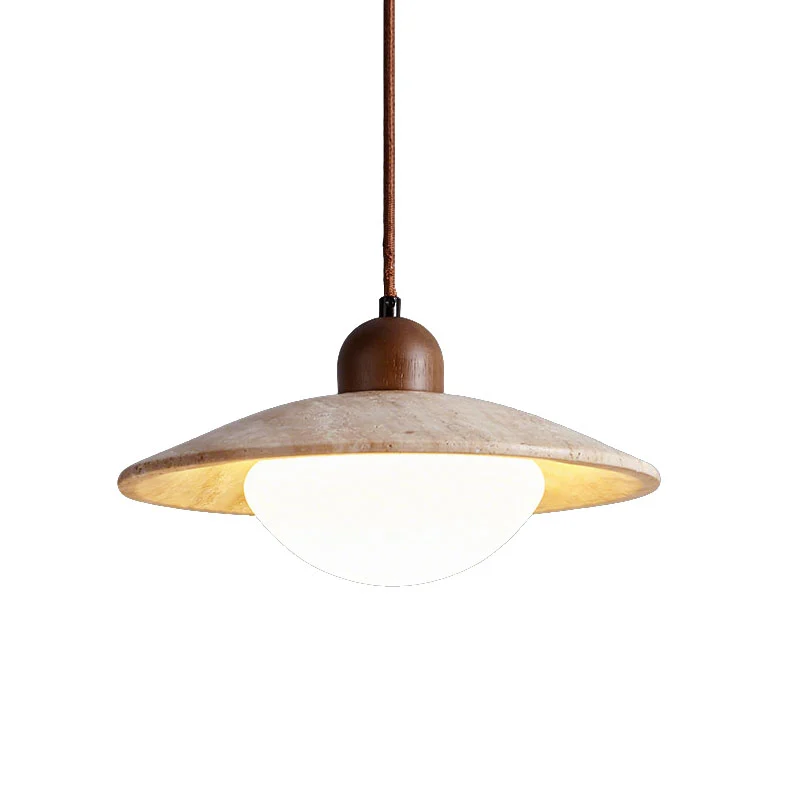
Related: Decorative Lighting Manufacturer Checklist
Why Packaging Matters for Decorative Lighting
Decorative lighting is different from many standard electrical products. The design value often comes from shape, surface texture, handmade finish, or delicate material. These same details can also make the product harder to ship.
A small chip on a ceramic shade, a cracked marble edge, a stained fabric surface, or a bent chandelier arm can make the entire fixture unacceptable for a project.
Good lighting export packaging should protect against:
- Impact during loading and unloading
- Compression during stacking
- Vibration during ocean or air transport
- Surface scratches
- Moisture and dust
- Parts moving inside the carton
- Incorrect carton orientation
- Confusion during hotel or project installation
For commercial projects, the cost of damage is rarely only the product value. Delayed installation, repeated inspections, replacement shipping, and client dissatisfaction can become much more expensive.
Start Packaging Design Before Bulk Production
Packaging should be discussed before mass production begins, especially for custom decorative lighting. The final lamp size, shade material, cable length, canopy shape, accessories, and installation hardware can all affect the packaging method.
Before production, buyers should confirm:
- Final product dimensions
- Net weight and gross weight
- Fragile material areas
- Removable and non-removable parts
- Quantity per carton
- Carton size limits
- Shipping method
- Pallet requirement
- Private label packaging needs
- Destination market requirements
If the product is customized, ask the manufacturer for packaging photos or a packaging proposal before approving bulk shipment.
Related: How to Customize Pendant Light Size, Color, Cable, Canopy, and Packaging
Common Fragile Lighting Types and Their Packaging Risks
Different decorative lighting categories need different protection. A standard carton structure may work for one lamp but fail for another.
Ceramic Pendant Lights
Ceramic pendant lights are rigid and can crack if pressure is concentrated on one edge. Handmade ceramic fixtures may also have irregular shapes, which makes fixed inner protection more important.
Packaging should protect:
- Rim edges
- Surface glaze
- Socket area
- Mounting holes
- Decorative texture
- Any protruding handmade details
For ceramic lighting, foam inserts, molded protection, or thick corner support can help prevent direct impact on the shade body.
Related: Ceramic Pendant Lights
Marble and Travertine Pendant Lights
Marble and travertine lighting can be heavy, premium, and fragile at the same time. Stone edges, drilled holes, and thin sections need careful support. Buyers should avoid packaging that allows the fixture to move inside the carton.
For stone lighting, packaging should usually include:
- Strong inner cushioning
- Edge protection
- Separate hardware packing
- Reinforced export carton
- Clear orientation labels
- Extra attention to gross weight per carton
When the fixture is heavy, a stronger carton or wooden crate may be needed depending on size, value, and shipping method.
Related: Marble and Travertine Pendant Lights for Luxury Commercial Interiors
Related: Marble Pendant Lighting Manufacturer
Fabric and Silk Pendant Lights
Fabric pendant lights are less likely to crack than ceramic or stone, but they can be damaged by compression, dust, stains, moisture, and deformation. Large fabric shades need stable spacing inside the carton so the shade keeps its shape.
Packaging should protect:
- Shade contour
- Fabric surface
- Inner frame
- Cable and socket
- Color consistency
- Clean surface finish
For white, beige, linen, silk, or light-colored fabric shades, clean inner bags are important because dirt marks are easy to see.
Related: Fabric Pendant Lighting Manufacturer
Wabi-Sabi Chandeliers and Sculptural Lighting
Wabi-sabi chandeliers often use irregular shapes, textured surfaces, handmade forms, and oversized silhouettes. These products may not fit into a simple rectangular packaging plan.
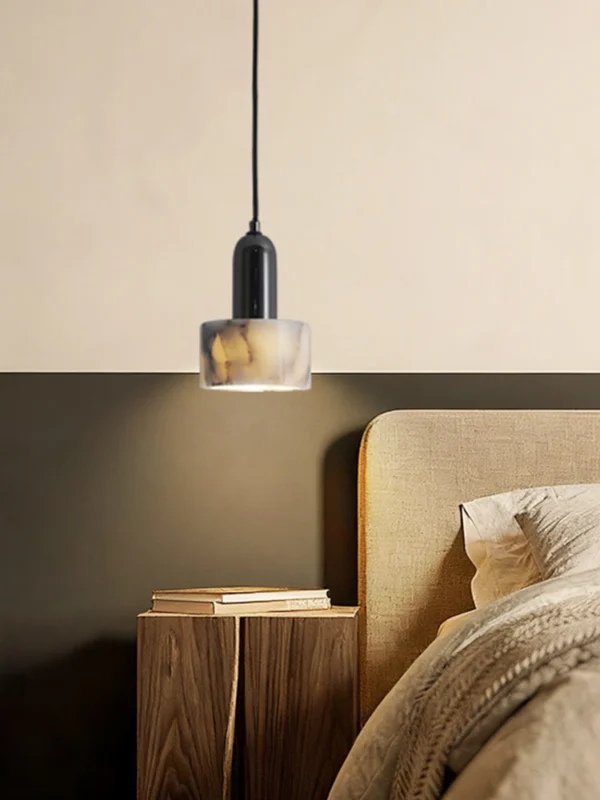
For sculptural chandeliers, the supplier should check:
- Whether arms or shades can be removed
- Whether the fixture needs one carton or multiple cartons
- How to protect irregular edges
- How to prevent pressure on handmade surfaces
- Whether installation parts are packed separately
- Whether carton labels match the assembly sequence
Related: Wabi-Sabi Chandeliers: Why Designers Choose Organic Modern Lighting
Related: Wabi-Sabi Lighting Manufacturer
Inner Protection: The First Layer of Safety
The inner packaging should keep the lighting fixture fixed and separated from the carton wall. The goal is simple: the product should not move freely, touch sharp hardware, or take direct impact at fragile points.
Common inner protection methods include:
- Foam inserts
- EPE foam
- Pearl cotton protection
- Bubble wrap
- Paper corner guards
- Molded pulp
- Cardboard dividers
- Soft surface protection bags
- Separate small accessory boxes
The right choice depends on product shape, value, and shipment quantity. For high-value decorative lights, stable inner structure is usually more important than simply adding more loose wrapping.
Export Carton Strength
The outer carton must protect the product during storage, warehouse handling, container loading, and final delivery. Decorative lighting cartons are often large and lightweight, but some stone or metal fixtures can be heavy. Both cases need proper carton strength.
Buyers should confirm:
- Carton material
- Carton thickness
- Single wall or double wall carton
- Maximum gross weight per carton
- Carton dimensions
- Drop protection expectation
- Stacking direction
- Moisture protection if needed
For oversized chandeliers or heavy stone lights, wooden crate packaging may be considered. This can increase cost and volume, but it may reduce risk for luxury project shipments.
Do Not Pack Accessories Loose Inside the Carton
Small parts can cause large problems during transport. Screws, metal canopies, mounting plates, bulbs, rods, and decorative parts should not move freely inside the carton.
Accessories should be packed in separate bags or boxes and fixed away from fragile surfaces.
A good accessory packing method includes:
- Labeled hardware bag
- Separate canopy protection
- Separate bulbs if included
- Cable tied gently, not tightly bent
- Installation manual or diagram
- Spare screws when appropriate
This is especially important for hotel projects where installers need to work quickly across many rooms.
Labeling for International Shipping
Carton labels should be clear and practical. Decorative lighting packaging often needs more than a simple product name.
Useful carton label information includes:
- Product model number
- Quantity
- Carton number
- Project name if applicable
- Room or area code for hotel projects
- Net weight
- Gross weight
- Carton size
- Fragile mark
- Up arrow
- Keep dry mark
- Made in China mark if required
For project orders, carton labels can reduce installation confusion. If each room uses different fixtures, labels should match the project schedule or packing list.
Packaging for Sample Orders
Sample packaging may be different from bulk packaging. A sample often ships by express courier, which means it may experience more individual handling, turning, and dropping than palletized cargo.
For fragile sample shipments, buyers should ask for:
- Extra cushioning
- Strong outer carton
- Product fixed inside the carton
- Photo confirmation before shipment
- Clear fragile labels
- Separate accessory bag
If the sample arrives damaged, it may not mean the design is wrong. It may mean the packaging needs adjustment before bulk production.
Related: Low MOQ Custom Pendant Lights Small Order Guide
Packaging for Bulk Orders
Bulk orders need consistent carton size, stable packing method, and efficient loading. The manufacturer should confirm how many units go into each carton and whether the cartons will be palletized.
For bulk decorative lighting shipments, buyers should confirm:
- Units per carton
- Total carton quantity
- Total CBM
- Gross weight
- Packing list format
- Pallet dimensions if used
- Container loading plan if needed
- Packaging photos from production
For large hotel orders, carton organization can be as important as the physical protection. A project may require packaging by room, floor, zone, or installation phase.
Private Label Packaging vs Protective Packaging
Private label packaging can help retailers and lighting brands build a better customer experience. However, beautiful packaging should not replace strong protective packaging.
For many early-stage lighting brands, the practical solution is:
- Neutral export carton
- Brand label or sticker
- Printed product label
- Branded instruction sheet
- Strong inner protection
- Optional printed retail box for selected models
Fully printed cartons may increase MOQ and cost. Buyers should choose the packaging level that fits the sales channel, budget, and order quantity.
Related: Wholesale Pendant Lighting: How Retailers Can Build a Private Label Collection
Shipping Method Affects Packaging
The same lamp may need different packaging depending on the shipping method.
For express shipping, cartons need strong individual protection because each box may be handled separately.
For air freight, carton weight and volume are important, but protection is still necessary because decorative lighting is often bulky.
For sea freight, packaging should consider stacking, container loading, moisture, vibration, and long transit time.
For truck delivery after arrival, cartons may be re-handled by local warehouses or installers. Buyers should not assume that the product is safe just because it arrived at the destination port.
Hotel and Commercial Project Packaging
Hotel, restaurant, villa, and commercial lighting projects often involve many models, quantities, rooms, and installation stages. Packaging should support the project workflow.
For hotel projects, ask the supplier to provide:
- Room-by-room packing plan if needed
- Clear carton number system
- Model list by carton
- Spare parts list
- Installation accessory labels
- Photo record before shipping
- Replacement plan for high-risk parts
This helps reduce missing parts, wrong installation, and delays on site.
Inspection Photos Before Shipment
Before shipment, buyers should ask for packaging photos. This is one of the simplest ways to reduce risk.
Useful photo records include:
- Finished product before packing
- Product with inner protection
- Accessory packing
- Product placed inside carton
- Closed carton with label
- Total cartons ready for shipment
- Pallet or crate photos if used
Photos do not replace professional inspection for large orders, but they provide a clear record and make communication easier.
Related: CE and RoHS for Decorative Lighting Buyers: What Importers Should Confirm
Replacement Parts and After-Sales Planning
Even with good packaging, fragile lighting may still need spare parts. For project orders, buyers should discuss spare shades, canopies, screws, cables, or other components before shipment.
Useful after-sales preparation includes:
- Keeping production photos
- Keeping packing photos
- Confirming spare part availability
- Keeping color and finish records
- Marking product model and batch number
- Confirming who pays for replacement shipping in different situations
This is especially important for custom lighting because replacement parts may need to match the same finish, material, and dimensions.
Buyer Checklist for Fragile Decorative Lighting Packaging
Before approving shipment, buyers can use this checklist:
- Product dimensions confirmed
- Product weight confirmed
- Fragile points identified
- Inner protection confirmed
- Carton strength confirmed
- Accessories packed separately
- Carton label format approved
- Product photos checked
- Packaging photos checked
- Packing list prepared
- Total CBM confirmed
- Shipping method confirmed
- Spare parts discussed
- Project labels confirmed if needed
If several points are unclear, ask the supplier before shipment. It is usually easier to adjust packaging at the factory than solve damage after arrival.
Common Packaging Mistakes to Avoid
Importers and project buyers should pay attention to these common issues:
- Using one generic package for very different lamp shapes
- Letting heavy accessories touch fragile shades
- Allowing ceramic or stone parts to move inside the carton
- Packing fabric shades without surface protection
- Ignoring carton size until freight quote stage
- Forgetting project room labels
- Approving product design without discussing packaging
- Treating sample damage as a minor issue without improving bulk packaging
- Choosing retail-style packaging that looks good but protects poorly
Packaging is not glamorous, but it protects the value of the design.
Work With OBBAO on Custom Decorative Lighting Packaging
OBBAO works with overseas buyers on custom pendant lights, chandeliers, fabric lighting, ceramic lighting, marble lighting, and wabi-sabi decorative lighting projects. For fragile products, packaging can be discussed together with product size, material, finish, cable, canopy, labeling, and order quantity.
If you are sourcing decorative lighting from China for a hotel, restaurant, retail collection, or interior project, share your product drawings, target quantity, destination market, and shipping plan. A practical packaging discussion at the beginning can save time, reduce damage, and make the whole project easier to manage.
FAQ
What is the best packaging for fragile pendant lights?
The best packaging depends on the material and shape. Ceramic and marble pendant lights often need stronger inner support and edge protection. Fabric pendant lights need surface protection and shape support. Large chandeliers may need divided parts, reinforced cartons, or wooden crates.
Should sample packaging be the same as bulk packaging?
Not always. Samples often ship by express courier, so they may need extra protection. Bulk orders may use more standardized cartons, pallets, or container loading methods.
Do custom lighting orders need special packaging?
Yes, many custom lighting orders need packaging adjusted to the product shape, material, finish, and shipping method. Packaging should be confirmed before bulk shipment.
Can private label packaging be used for decorative lighting?
Yes. Buyers can use labels, stickers, instruction sheets, printed cartons, or retail boxes. However, protective packaging should come first, especially for fragile lighting.
What photos should a supplier send before shipping?
Ask for photos of the finished product, inner protection, accessory packing, carton labels, closed cartons, and pallet or crate packaging if used.