
For interior designers, a custom lighting specification sheet is more than an internal design document. It is the bridge between the design concept, the client approval process, the supplier quotation, and the final production order.
When a designer sends only a mood board or a reference image, the lighting manufacturer may understand the style direction but still lack the details needed for accurate pricing, sampling, production, packaging, and installation planning. A clear specification sheet helps reduce misunderstandings and makes the supplier response faster and more useful.
This guide explains how interior designers can build a practical custom lighting specification sheet for pendant lights, chandeliers, wall lights, hotel projects, restaurants, villas, boutiques, and commercial interiors.
OBBAO Lighting manufactures custom decorative lighting for interior designers, hotels, restaurants, villas, wholesalers, retailers, and commercial project buyers.
Free Custom Lighting Specification Template
Plan your custom lighting project with our editable Excel template. Organize fixture dimensions, materials, finishes, electrical requirements, sample quantities, and bulk orders in one file.
- Editable Excel file (.xlsx)
- 30 fixture rows
- Project brief included
- Free download — no registration required
Need Help With Your Custom Lighting Project?
Complete the specification template and share your project requirements with OBBAO Lighting. We can review your lighting needs and discuss suitable customization options. The contact form does not accept attachments, so you can also email the completed workbook, drawings, reference images, quantity, destination market, and deadline to frances@obbaolighting.com.
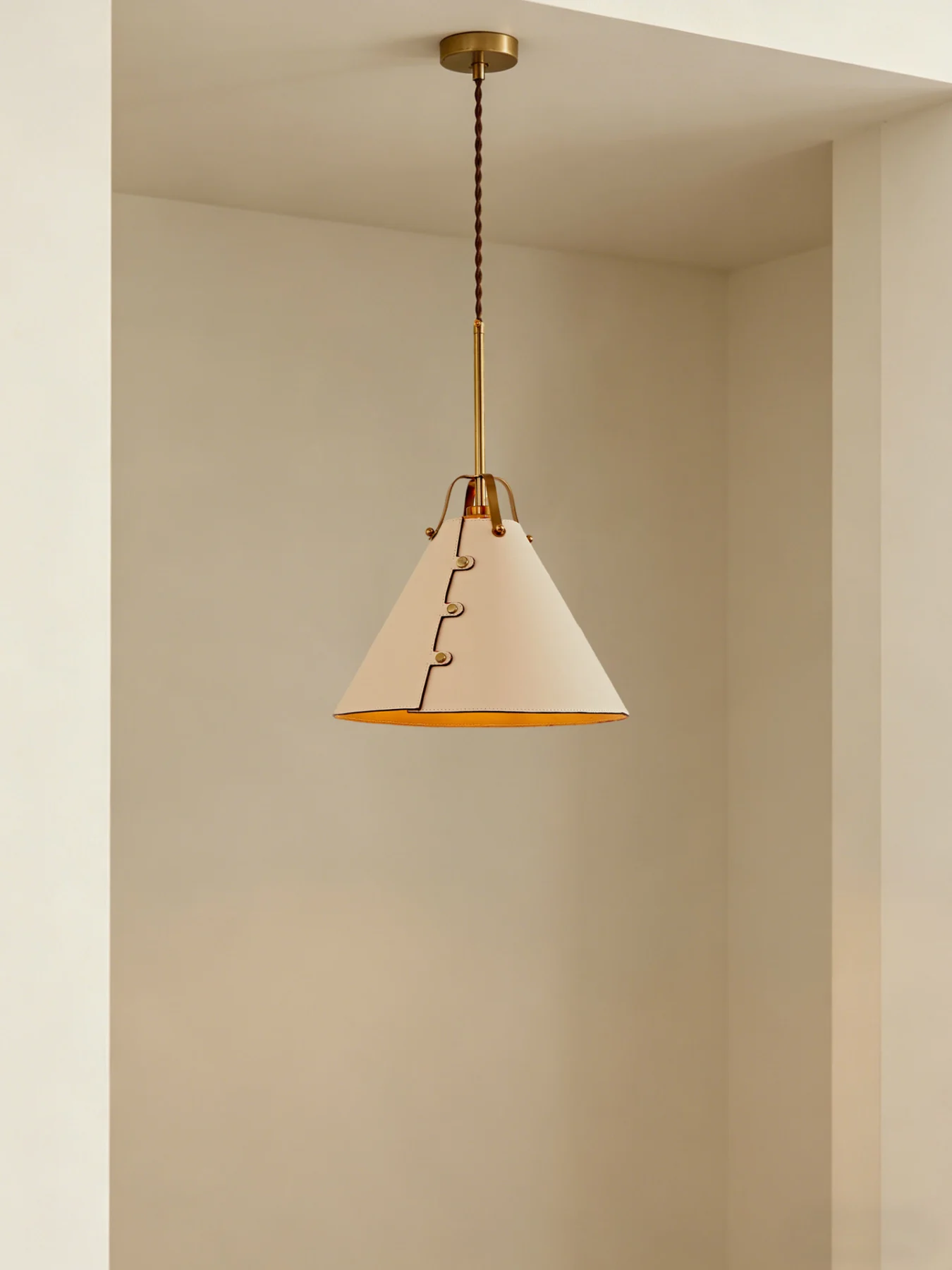
What Should a Lighting Specification Sheet Include?
A lighting specification sheet should give the supplier enough information to quote, sample, produce, pack, and label each fixture without guessing. Include:
- Fixture / model
- Dimensions
- Material
- Finish / color
- Light source
- Lamp holder
- Voltage
- Cable / suspension length
- Canopy
- Quantity
- Installation
- Certification requirement
- Packaging
- Project deadline
Use the same fixture code in the specification sheet, drawings, quotation, sample comments, packaging labels, and final order.
Why Lighting Specification Sheets Matter
Custom decorative lighting often involves many decisions: size, material, finish, cable length, canopy, lamp holder, voltage, installation height, quantity, packaging, and delivery schedule. If these details are not organized early, the project can lose time during quotation and sample approval.
A good lighting specification sheet helps designers:
- Communicate design intent clearly
- Compare supplier quotations more accurately
- Confirm product dimensions before sampling
- Avoid wrong cable or canopy details
- Plan electrical requirements
- Track quantities by room or area
- Support hotel mock-up room approval
- Reduce production changes after deposit
- Keep client, supplier, and installer aligned
For custom pendant lights and chandeliers, the more complete the specification sheet, the easier it is for the factory to recommend feasible solutions.
1. Project Information
Start with basic project information. This helps the supplier understand the context and urgency.
Include:
- Project name
- Project type
- Country or destination market
- Buyer type
- Interior style
- Target installation date
- Sample deadline
- Bulk order deadline
- Contact person
Project type matters because a hotel, restaurant, villa, retail store, and showroom may require different lighting effects, packaging plans, installation support, and lead time.
2. Lighting Area or Room
List where each lighting fixture will be installed. This is especially important for hotels, restaurants, villas, and commercial projects where multiple rooms or zones may use different fixture sizes.
Common areas include:
- Hotel guest rooms
- Lobby
- Restaurant dining area
- Bar counter
- Lounge
- Corridor
- Villa bedroom
- Stairwell
- Retail display area
- Reception desk
If possible, use a room-by-room table so the supplier can understand quantity and scale more quickly.
3. Product Type
Clearly identify the product type for each lighting item.
Examples:
- Pendant light
- Chandelier
- Wall light
- Ceiling light
- Table lamp
- Floor lamp
- Linear suspension light
- Custom decorative installation
For custom pendant lights, also describe whether the fixture is a single pendant, cluster pendant, oversized shade, dining table pendant, bedside pendant, or decorative feature light.
For broader supplier evaluation, use our decorative lighting manufacturer checklist.
4. Reference Image or Design Direction
Reference images are useful, but they should not be the only information in the specification sheet. Use images to communicate style, proportion, texture, color mood, and lighting atmosphere.
Add notes such as:
- What should be matched from the reference
- What should be changed
- Preferred material
- Preferred finish
- Whether the reference is for shape only
- Whether the reference is for color only
- Whether the final product needs a new size
For OEM/ODM custom lighting, this helps the manufacturer understand whether you need an existing model recommendation or a deeper custom development process.
Drawings and Reference Files
Attach the clearest files available for each fixture: a dimensioned sketch, reflected ceiling plan, elevation, installation detail, product reference image, material or finish reference, and ceiling-junction information. Label each file with the fixture code used in the specification sheet. If a technical drawing is unavailable, provide confirmed dimensions and annotated images so open questions can be identified before quotation or sampling.
5. Dimensions and Scale
Size is one of the most important details in a lighting specification sheet. A pendant light that looks perfect in a photo may be too large, too small, too low, or too visually heavy in the real project.
Confirm:
- Shade diameter
- Shade height
- Overall fixture height
- Cable length
- Canopy diameter
- Canopy height
- Installation height
- Ceiling height
- Table or counter size if relevant
For hotel and restaurant projects, also note whether the fixture will be installed above a dining table, bedside table, lobby seating area, stairwell, or open public space.
For detailed customization choices, read our guide to custom pendant light options.
6. Material and Finish
Decorative lighting is often selected because of material texture. The specification sheet should describe the material and finish clearly.
Possible materials include:
- Fabric
- Ceramic
- Silk or silk-style texture
- Marble
- Travertine
- Metal
- Wood
- Glass
- Leather
- Mixed materials
Finish details may include:
- Matte
- Glossy
- Textured
- Handmade glaze
- Natural stone veining
- Brushed metal
- Painted finish
- Warm white fabric
- Custom color sample
If color accuracy is important, designers should provide a physical sample, Pantone reference, material swatch, or approved sample photo.
For hotel material selection, compare ceramic vs fabric pendant lights for hotel projects.
For product and finish references, review the Wabi-Sabi lighting collection and ceramic pendant lights.
7. Light Source and Electrical Requirements
Electrical details should be confirmed early, especially for export projects, hotels, and private label orders.
Include:
- Voltage
- Frequency
- Lamp holder type
- LED driver requirement
- Dimming requirement
- Bulb type
- Color temperature
- Wattage target
- Plug requirement if applicable
- Grounding requirement
- Certification requirement
For EU buyers, CE/RoHS compliant options may be needed. For hotel projects, the designer should also coordinate with the electrical consultant or contractor before final production.
For export compliance planning, read our CE and RoHS guide for decorative lighting buyers.
8. Cable, Canopy, and Installation Details
Cable and canopy details are easy to overlook, but they affect both design appearance and installation.
Specify:
- Cable length
- Cable color
- Cable material
- Chain or rod requirement
- Canopy color
- Canopy shape
- Canopy size
- Mounting plate requirement
- Ceiling type
- Sloped ceiling if applicable
- Installation accessories
For custom pendant lights, cable and canopy changes are often easier than full structure changes, making them useful low-risk customization options.
9. Quantity and Order Stage
A lighting specification sheet should show both sample quantity and estimated bulk quantity. This helps the supplier recommend MOQ, sample cost, and production planning.
Include:
- Sample quantity
- Mock-up room quantity
- Bulk order quantity
- Quantity by room or area
- Estimated repeat order potential
- Whether this is a trial order
- Whether this is a full project order
If the project is still in the design approval stage, say so clearly. The supplier can often recommend existing models or low MOQ options before deeper custom development.
For sample and trial orders, see our low MOQ guide for small pendant light orders.
10. Packaging and Labeling
Packaging should be included in the specification sheet because decorative lighting is often fragile, oversized, or irregular in shape.
Confirm:
- Export carton requirement
- Inner protection
- Quantity per carton
- Fragile label
- Product label
- Room or area labeling
- Private label packaging
- Instruction manual
- Barcode if needed
- Spare parts
For ceramic, marble, glass, or large fabric shades, packaging can affect both cost and delivery safety.
11. Budget and Quotation Format
Designers do not always want to share an exact budget, but some cost direction is useful. Without a budget range, the supplier may recommend options that are too simple or too expensive for the project.
You can provide:
- Target unit price range
- Sample budget
- Bulk order expectation
- Packaging budget
- Shipping method preference
- Whether price or appearance is the priority
Also ask the supplier to quote in a consistent format so options can be compared easily.
12. Timeline
Custom lighting takes time, especially when sampling, custom finishes, packaging, export shipping, or hotel project approval is involved.
Include:
- Date when quotation is needed
- Date when sample is needed
- Date for sample approval
- Bulk order deadline
- Shipping deadline
- Installation date
- Project opening date if relevant
If the timeline is urgent, tell the supplier early. The factory may recommend existing models, standard finishes, or simpler packaging to reduce lead time.
Example Lighting Specification
This example uses verified public data for OBTC009 and shows how an existing SKU can be recorded before project-specific details are confirmed.
- Model: OBTC009
- Product: Classic Terracotta Clay Chandelier for Interior Design Projects
- Material: Ceramics + Wood + Glass
- Size: D: 21.5 cm × H: 20 cm
- Finish / color: As shown
- Socket: G9
- Installation: Ceiling pendant / hanging
- Custom options stated on the product page: size, color, material, cable length, canopy finish, plug/wiring, logo label, instruction manual, and private-label packaging
Before ordering, add the project voltage, quantity, finished suspension length, canopy requirement, destination market, packaging labels, and deadline. These fields are project-specific and are not inferred from the category.
Simple Custom Lighting Specification Sheet Template
Interior designers can use this simple structure when contacting a lighting manufacturer:
- Project name:
- Project type:
- Destination country:
- Area or room:
- Product type:
- Reference image:
- Target size:
- Material:
- Finish:
- Color:
- Cable length:
- Canopy finish:
- Voltage:
- Lamp holder or driver:
- Certification requirement:
- Sample quantity:
- Bulk quantity:
- Packaging requirement:
- Target delivery date:
- Notes:
This format is simple, but it gives the supplier enough information to start a useful quotation.
Download the editable lighting specification template (.xlsx) — 30 fixture rows and a project brief, with no registration required.
Sample Confirmation Before Bulk Production
Before approving bulk production, compare the sample with the latest specification sheet. Confirm overall dimensions, material, visible finish and accepted variation, lamp holder, voltage, wattage limit, cable or suspension length, canopy, mounting method, packaging, labels, and required certification documents. Photograph the approved sample and record every accepted correction in one dated approval file. See the custom Wabi-Sabi pendant-light sample case study for a project example.
Common Mistakes to Avoid
Avoid these common specification problems:
- Sending only a reference image with no size
- Forgetting cable length
- Not confirming ceiling height
- Ignoring voltage and lamp holder
- Asking for custom color without a reference
- Not separating sample quantity from bulk quantity
- Forgetting packaging requirements
- Changing materials after sample approval
- Not confirming certification needs early
- Asking for the lowest price before defining the product
These mistakes can delay sampling, increase quotation changes, and create confusion during production.
Work with OBBAO Lighting
OBBAO Lighting works with interior designers, wholesalers, retailers, hotels, restaurants, villas, and commercial project buyers to develop custom decorative lighting.
We support:
- Custom pendant lights
- Fabric, ceramic, silk, marble, and wabi-sabi lighting
- Low MOQ sample orders
- Custom size, material, finish, cable, and canopy
- OEM/ODM decorative lighting development
- Private label packaging
- Export packaging
- CE/RoHS compliant options
- Hotel and project quotation support
Send your specification sheet, reference image, quantity, target size, destination country, and project deadline. OBBAO Lighting will recommend suitable models, customization options, MOQ, lead time, packaging, and quotation details.
Send Your Lighting Specification — share the fixture schedule, drawings, quantities, finish references, destination market, and project deadline for review.
FAQ
What is a custom lighting specification sheet?
A custom lighting specification sheet is a document that lists the key details for a lighting product or project, including size, material, finish, electrical requirements, quantity, packaging, and timeline.
Why do interior designers need a lighting specification sheet?
It helps designers communicate clearly with suppliers, compare quotations, reduce mistakes, confirm samples, and keep the client, factory, and installer aligned.
What details should I include for custom pendant lights?
Include product type, reference image, size, material, finish, cable length, canopy finish, voltage, lamp holder or driver, certification needs, quantity, packaging, and delivery schedule.
Can OBBAO help if my specification sheet is incomplete?
Yes. OBBAO Lighting can review your reference image, project details, and quantity, then recommend suitable models, customization options, and missing details to confirm.
Should certification requirements be included?
Yes. If the lights are for export, retail, hotel, or commercial projects, electrical standards and CE/RoHS compliant options should be discussed before sampling.
Can I use a specification sheet for low MOQ samples?
Yes. Even for low MOQ sample orders, a specification sheet helps confirm size, finish, cable, canopy, electrical details, packaging, and quotation expectations.