
A pendant light can leave the factory in perfect condition and still arrive damaged if the packaging does not match its material, shape, weight, and shipping route. Ceramic may crack at an exposed edge. Stone can chip around a drilled point. A large fabric shade may arrive without breaking but become permanently deformed. Silk or fiber surfaces can rub or compress even when the outer carton looks undamaged.
This is why fragile lighting packaging should begin with the fixture’s actual damage risks—not simply with choosing a larger carton. Effective decorative lighting packaging connects product risk, inner protection, outer packaging, shipping method, and clear records before dispatch.
Start With the Damage Risk, Not the Carton
The first question is not “Which carton should we use?” It is “What can be damaged?” Review the material, dimensions, shape, weight, exposed edges, protruding parts, finish, frame, suspension components, detachable parts, and accessories. Then plan the sequence:
Product risk → inner protection → outer packaging → shipping method.
This approach is especially important for custom pendant lights and mixed project orders. Final shade dimensions, cable length, canopy shape, hardware, and installation method can change the packing structure. Packaging should therefore be reviewed before bulk production and coordinated with the custom lighting lead time.
Common Shipping Risks by Lighting Material
| Fixture Type | Main Shipping Risk | Packaging Priority |
|---|---|---|
| Ceramic | Cracking, rim or edge chips, glaze damage | Immobilization, edge and surface protection |
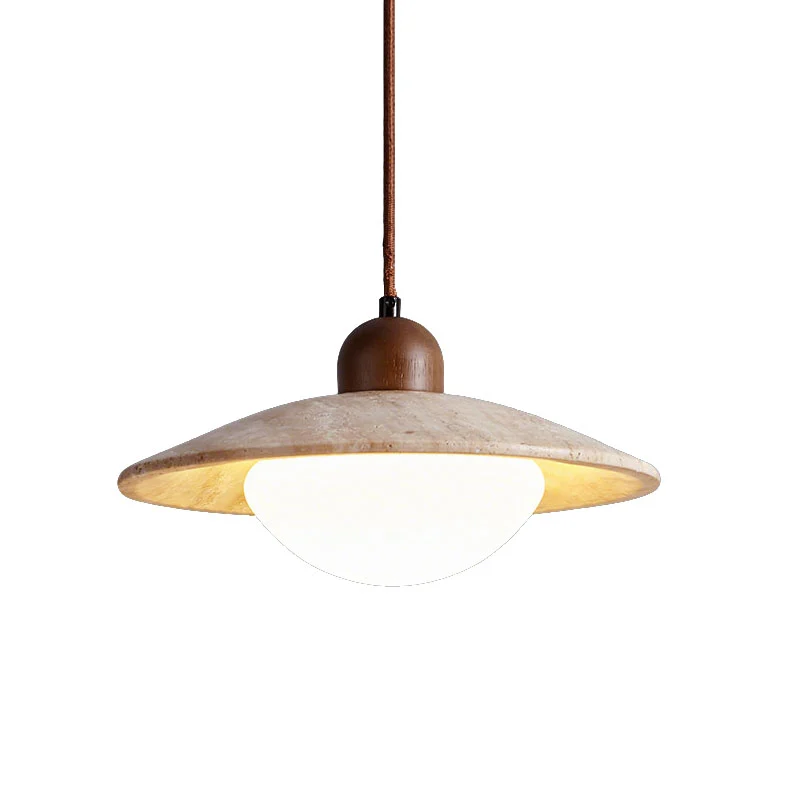
| Marble / Travertine | Weight, chipped edges, drilled-point damage | Stable support, separation, and load control |
| Glass | Breakage and part-to-part contact | Individual separation and impact protection |
| Silk / Fiber | Deformation, rubbing, staining | Preserve shape and protect the surface |
| Fabric | Frame deformation, staining, fabric damage | Maintain geometry and a clean surface |
| Metal | Scratches, dents, bending | Surface separation and stable positioning |
| Mixed-material fixtures | Different parts damaging one another | Separate materials and secure components |
Packaging Ceramic Pendant Lights
Ceramic pendant light packaging must address more than complete breakage. A shade can chip at the rim, crack near an opening, lose an exposed projection, or suffer glaze abrasion. A loose metal canopy or accessory can also strike the ceramic during handling.
The fixture should be held in a stable position with no free movement, while metal parts remain separated from the shade. Edge and surface protection should support the shape without concentrating pressure on a fragile point. The exact foam, insert, or cushioning design depends on size, geometry, weight, and route rather than a universal thickness. Buyers can also review OBBAO’s ceramic pendant lights when discussing product-specific risks.
Packaging Marble and Travertine Lighting
Stone feels strong, but it can still be vulnerable in transit. Edges, thin sections, drilled points, and areas under concentrated pressure require attention. A heavy component that moves inside a carton can generate substantial impact, and stone-to-metal contact can damage both the stone and the finish.
Heavy does not mean low-risk. Marble and travertine pendant light packaging should control movement, distribute load, protect edges, and isolate hardware. Depending on actual weight, dimensions, shape, fragile points, quantity, and route, the solution may use a reinforced carton, wooden reinforcement, or a wooden frame or crate. Not every stone fixture needs a crate. Stronger packing is appropriate when the product risk justifies the added cost and volume. See the related marble and travertine lighting guide and stone lighting collection.
Packaging Glass Shades and Glass Components
Glass components need individual separation, protection around exposed edges, and control of internal movement. Glass-to-glass and metal-to-glass contact should be prevented. If several shades share a carton, the internal structure must stop them from touching one another during handling and transport.
Packaging Silk and Fiber Pendant Lights
No breakage does not mean no damage. Silk and fiber shades can be crushed, rubbed, stained, distorted, or covered with dust. Their frame may also lose its intended silhouette. Silk pendant light packaging should preserve shape, avoid damaging compression, protect the surface, keep hardware away from the shade, and maintain a clean packing environment.
Whether a shade can be folded or nested must be confirmed for that specific design. It should never be assumed for all silk or fiber products.
Packaging Fabric Pendant Lights
Fabric shades have their own shipping risks: frame geometry, fabric tension, seams, dust, staining, crushing, and permanent deformation. Fabric pendant light packaging should support the frame and protect the textile without applying pressure that changes the profile. For hospitality applications, the fabric pendant light buyer guide provides broader project context, while this article focuses on shipping protection. Buyers can also compare the fabric lighting collection.
Protect Metal Finishes During Shipping
Metal may not break like glass or ceramic, but it can scratch, rub, dent, bend, or lose a painted or plated finish. Surface wrap, separation, stable positioning, and prevention of metal-to-metal contact are important. The suitable protective material depends on the specific finish and component; one wrap should not be treated as a universal solution.
Large Pendant Lights Create a Different Packaging Problem
For a large silk, fabric, wabi-sabi, or sculptural shade, the main challenge may be volume rather than weight. Oversized cartons can increase CBM, face more compression, be harder to handle, and use container space inefficiently. At the same time, reducing carton size too aggressively can deform the fixture.
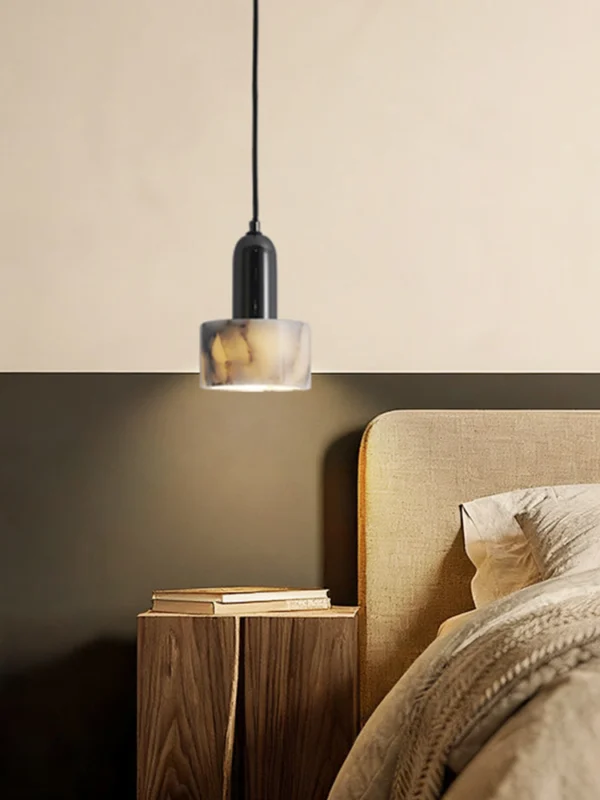
For irregular decorative forms, the supplier should confirm removable parts, pressure-sensitive surfaces, carton orientation, and handling points. The wabi-sabi chandelier guide and wabi-sabi lighting collection show the kinds of silhouettes that may require product-specific planning.
Should Large Decorative Lighting Ship Assembled or Disassembled?
Fully assembled
A fully assembled fixture reduces work on site, but it may require a larger carton and expose more projections to transport stress.
Partially disassembled
Partial disassembly may reduce volume and allow fragile components to be protected separately. It also requires clear labels, organized accessories, and suitable assembly instructions. The correct choice depends on fixture design, installer capability, and project requirements; there is no universal recommendation.
Inner Packaging Does Most of the Protective Work
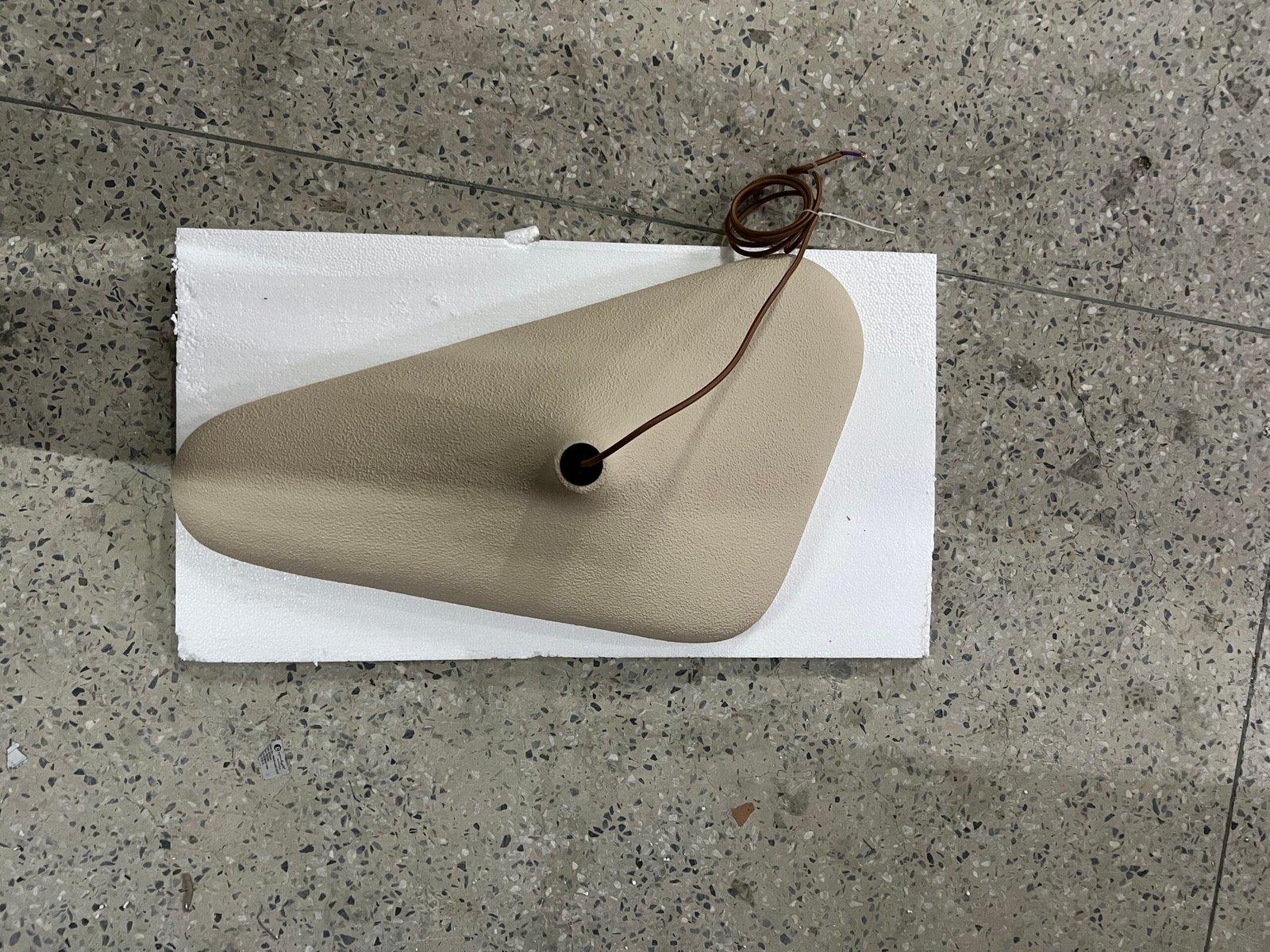
A strong carton does not automatically mean a protected fixture. Inner packaging must stop movement, separate parts, protect surfaces, support weak areas, and prevent pressure on fragile points. Depending on the product, this may involve a PE bag, EPS, foam, a custom insert, dividers, or protective wrap.
Movement Inside the Carton Is a Major Risk
An outer carton can look undamaged while the fixture inside has collided, rubbed, or cracked. Check side movement, vertical movement, canopy movement, loose hardware, and accessory movement. The product should be secured without putting damaging pressure on fragile parts.
Choose the Outer Carton Around the Packed Product
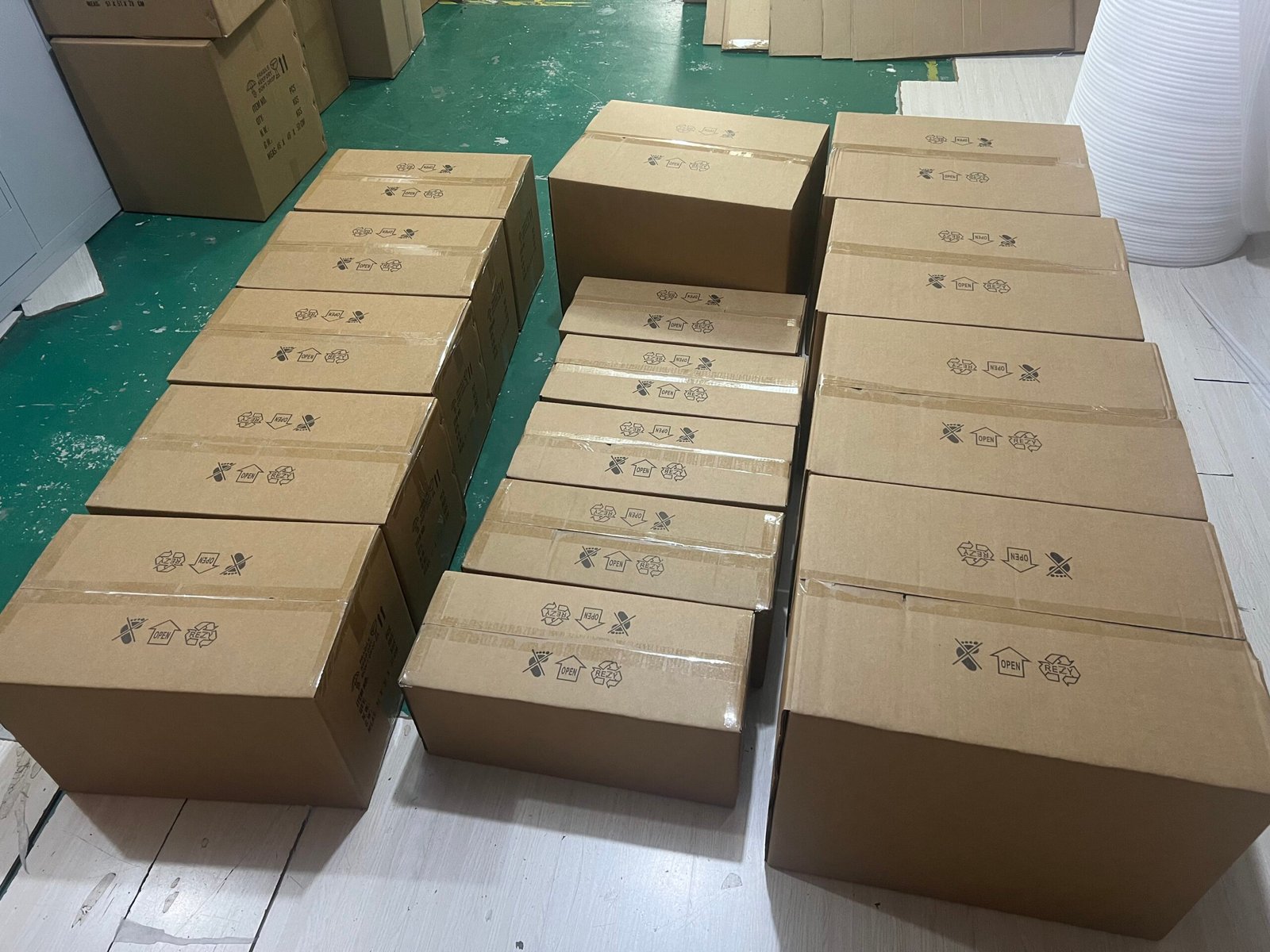
OBBAO may use neutral cartons, customized packaging, reinforced packing, or wooden reinforcement according to the fixture and project. These are options, not one default standard for every SKU. Carton structure should follow the packed dimensions, material, weight, fragile areas, quantity, and shipping route.
Stronger Packaging Is Not Always Better Packaging
Overpacking can increase carton size, CBM, gross weight, material cost, and unpacking difficulty. The goal is appropriate protection, not maximum packaging material. Buyers should compare the protective benefit of reinforcement with its effect on shipping volume and handling.
Packaging Should Match the Shipping Route
Courier or express
Individual cartons may face frequent manual handling, sorting, and transfers.
Air freight
Handling protection remains important, while carton dimensions and volumetric weight can strongly affect freight planning.
Sea freight
Long transit, stacking, carton pressure, container handling, and the transport environment should be considered. No shipping method should be described as automatically safer; protection should match the route.
Sample Packaging and Bulk Packaging May Be Different
Samples are low in quantity, often handled by couriers, and important on a per-piece basis. Bulk orders require repeatable packing, efficient cartons, stacking plans, labels, warehouse handling, and container planning. A sample arriving safely does not automatically prove that the same packaging is optimized for a full project order.
Before approving sample packing, buyers can use the custom lighting sample approval checklist. Smaller buyers may also find the low-MOQ pendant light guide useful.
Good Packaging Must Also Help the Installer
Hotel, restaurant, villa, and commercial projects may use labels for the model, carton number, room, floor, zone, quantity, and accessories. “Room 301,” “Lobby A,” and “Restaurant Zone B” are illustrative examples, not mandatory formats. The labeling plan should match the project schedule and installer workflow.
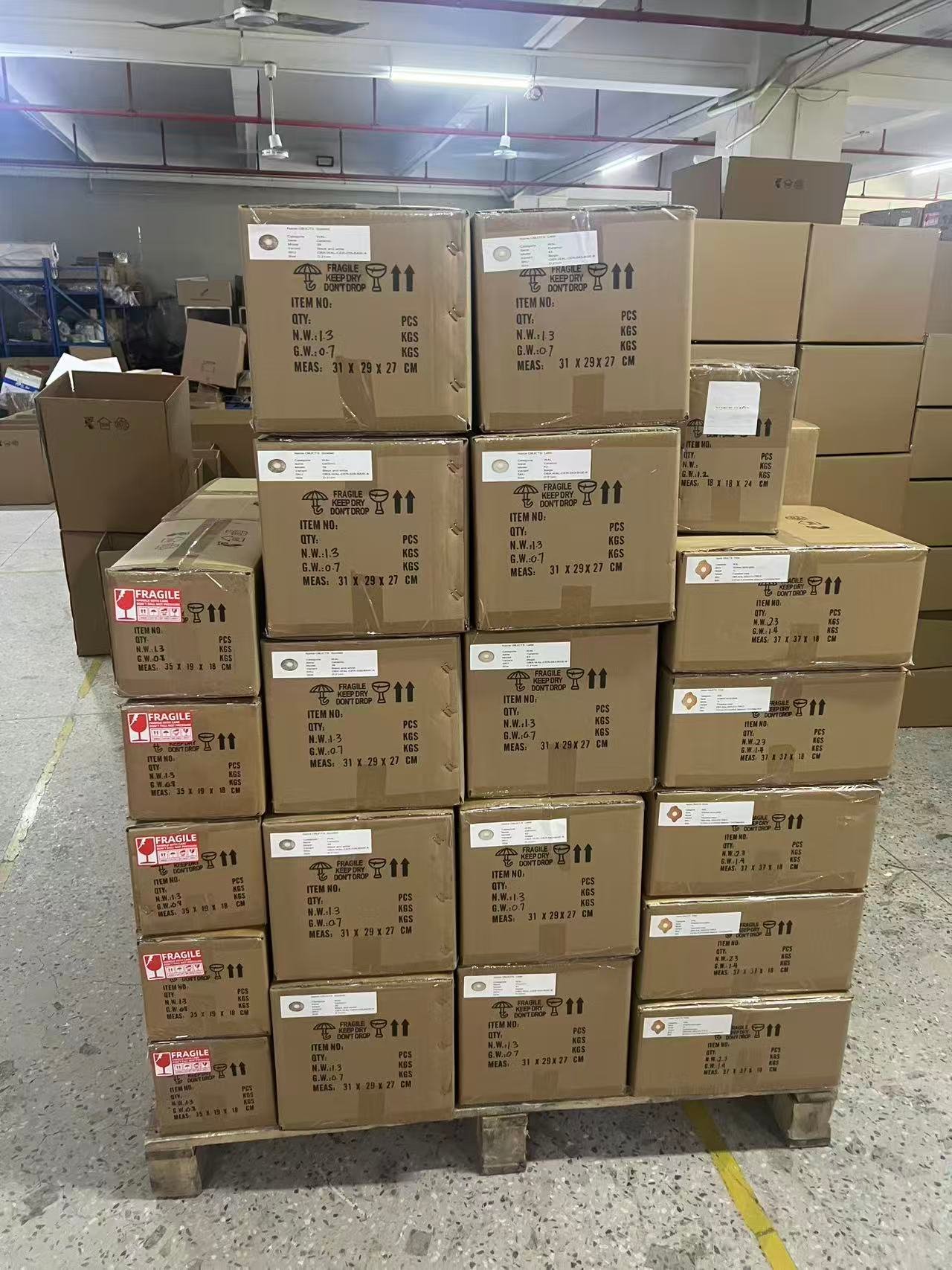
Mixed Decorative Lighting Orders Need Clear Packing Records
A shipment may combine pendant lights, wall lights, ceramic, silk, fabric, and stone. Clear records should identify the model, carton number, quantity, carton dimensions, gross weight, CBM where applicable, and accessories. This helps the buyer reconcile the shipment with the packing list without opening every carton.
Do Not Let Small Accessories Become the Biggest Installation Problem
Mounting plates, screws, canopies, cable components, connectors, bulbs where supplied, and spare hardware should not move freely against a fragile shade. Where suitable, use a separate accessory bag or box with a clear label and secure it away from vulnerable surfaces. The exact method depends on the product.
What Should Buyers Check Before Shipment?
Product
- Correct model and quantity
- Finish and dimensions confirmed
Inner protection
- Fixture secured without damaging pressure
- Edges and surfaces protected
- Different parts separated
- Accessories isolated
Outer packaging
- Carton condition and labels checked
- Carton number recorded
- Dimensions and gross weight recorded when required
Evidence and documents
- Packing and closed-carton photos
- Shipping marks where applicable
- Packing list and carton count
Packaging photos support communication but do not replace an agreed inspection scope. Electrical and compliance checks are separate topics; see the CE and RoHS guide for decorative lighting buyers.
What About Drop Tests and Packaging Tests?
Specific packaging tests should be agreed according to the product, shipping route, buyer requirement, and required testing standard. If a buyer requires an ISTA test, drop test, or retail packaging test, the method, sample, acceptance criteria, and documentation should be confirmed before the order. This page does not claim that every OBBAO package has completed a particular test or certification.
What to Record if Lighting Arrives Damaged
Record the unopened carton condition, damaged outer carton, carton label, inner protection, damaged product, model, carton number, and affected quantity. These records help the buyer, supplier, and logistics partners investigate where damage may have occurred. They are operational evidence, not insurance or legal advice.
Plan Replacement Parts Before Large Project Shipments
Depending on the fixture, a project may need a spare shade, additional hardware, an extra canopy, or a replacement electrical component. The quantity should be decided from project size, fragility, replacement lead time, and installation schedule—not from a fixed percentage. Keep production, finish, and packing records so replacements can be matched more reliably.
Packaging Affects Freight Cost as Well as Product Safety
Freight planning may depend on gross weight, carton dimensions, total CBM, pallets, wooden reinforcement, and shipping method. Silk and fabric fixtures may be lightweight but large in volume; stone fixtures may make weight the more important factor. Packaging cost should be included in the quotation scope, but the currently proposed quotation-comparison URL was not linked because it is not publicly available.
Reduce Volume Without Increasing Damage Risk
Possible options include removable components, improved shade orientation, nesting only where the design safely allows it, separate hardware, and carton-dimension optimization. Do not compress a shade simply to reduce CBM unless the product is designed to tolerate it. Freight saving should not create product damage.
Real Example: Packaging Fragile Decorative Lighting Samples
OBBAO’s published fragile decorative lighting packaging case shows why different fixtures need different levels of protection. The recorded planning compared PE bag or basic wrapping where appropriate, EPS and foam support, neutral cartons, and wooden-frame options for larger-diameter pieces. Packing details were aligned with sample PI and packing-list records.
The point is not to use the strongest package for every item. It is to identify the fragile areas, choose suitable support, and strengthen the package when the product and route justify it. The case does not publish a customer identity, damage rate, order value, carrier, or claim outcome.
View the full packaging case study.
What to Send the Manufacturer for Packaging Planning
Send the model or SKU, product photo, dimensions, quantity, material, destination, known shipping method, project or retail context, private-label requirement, labeling requirement, and any special handling concern. Large projects can also provide a room or area schedule. For the broader procurement process, see the custom pendant light sourcing guide, custom pendant light options, and decorative lighting manufacturer checklist.
Retailers and lighting brands should distinguish protective packing from brand presentation. Labels, manuals, or printed cartons may support a private-label program, but they should not replace protection. See the private-label pendant lighting guide.
FAQ
How should ceramic pendant lights be packed for international shipping?
The packing should stop movement, protect exposed edges and surfaces, and separate ceramic parts from metal hardware. The exact inner protection depends on the fixture’s size, shape, weight, and route.
Do marble and travertine lights always need wooden crates?
No. The need depends on weight, dimensions, shape, fragile points, quantity, and shipping route. Some fixtures can use reinforced cartons, while heavier or unusually fragile products may justify additional wooden protection.
How do you ship large fabric or silk pendant lights?
The package should preserve the shade’s silhouette, avoid damaging compression, protect the surface, stabilize the frame, and account for carton volume. Folding or nesting should only be used when that specific product is designed for it.
Does stronger packaging increase freight cost?
It can. Stronger or larger packaging may increase gross weight and CBM, so the solution should balance protection, handling, and transport efficiency.
Should lighting samples and bulk orders use the same packaging?
Not necessarily. Samples often face individual courier handling. Bulk packaging also needs repeatability, stacking, labeling, warehouse efficiency, and container planning.
What packaging information should buyers request before shipment?
Depending on the project, request the packing method, carton quantity, carton dimensions, gross weight, labels, packing list, and photos of the inner protection and closed cartons.
Plan the Packaging Before Shipment
Different lighting materials fail in different ways during transportation. Good fragile lighting packaging matches the fixture’s material, size, weight, shape, and shipping route while keeping carton volume practical.
Send OBBAO the model or reference, dimensions, material, quantity, destination, shipping method if known, labeling requirements, and private-label requirements to review a practical packing route before shipment.