
Building a private label collection is not mainly about finding more products. It is about deciding which products belong together, which deserve samples, which variations should become real stock SKUs, and which models are ready for a trial order.
A retailer can collect 30 attractive product photos and still end up with a weak wholesale pendant lighting range if the materials, finishes, price positions, and product roles do not form a clear system. A better first objective is a manageable collection that can be sampled, photographed, tested, reordered, and expanded using evidence.

Start With the Customer and Collection Direction
Before selecting models, define who the range is for and where it will be sold. A boutique hotel designer, an independent European retailer, a luxury villa buyer, and an online organic-modern brand may all need different scale, materials, electrical configurations, and price architecture.
Write a short collection brief covering the target market, customer type, sales channel, interior style, preferred materials, approximate price position, packaging expectation, and destination market. Then choose a limited visual language: related shapes, coordinated finishes, compatible proportions, and one or two main material directions with supporting materials where useful. This makes the range easier to explain, photograph, display, and reorder.
For a project-specific material decision, the comparison of ceramic vs fabric pendant lights for hotel projects provides additional context without changing the collection-planning framework here.
Build the Collection Around Product Roles
Not every item needs equal status. Assigning a role to each shortlisted model helps a retailer decide what deserves sampling and inventory.
Hero Product
The hero creates visual identity and may lead a catalogue cover, showroom display, or campaign. It often has a stronger silhouette, distinctive material, or recognizable form, but it does not need to be the largest or most expensive product.
Core Product
A core model is intended for broader use and stable replenishment. Practical specification, manageable packaging, consistent production, and suitability for several interiors may matter more than dramatic form. No model should be assumed to be a bestseller before the market provides evidence.
Supporting Product
A supporting product makes the range feel complete. It might be a smaller pendant, a wall light, a simpler related shape, or a different fixture using the same material language. Its job is to connect the hero and core products rather than compete with them.
Optional or Test Product
A test product is interesting but unproven. It may enter the sample collection without automatically entering the first bulk order. Keeping this category separate prevents curiosity from turning into unnecessary inventory.
Build Product Families, Not Random SKUs
A product family can use the same material across related forms, or connect a pendant, wall light, and larger pendant through shape and finish. The relationship does not need to be literal, and every series does not require a wall light. The test is whether a customer can see that the products belong to the same visual world.
Family logic also improves photography, showroom zoning, catalogue navigation, and future expansion. When one model gains traction, the brand has a clear route to explore another size, related fixture, or complementary form instead of adding an unrelated factory novelty.
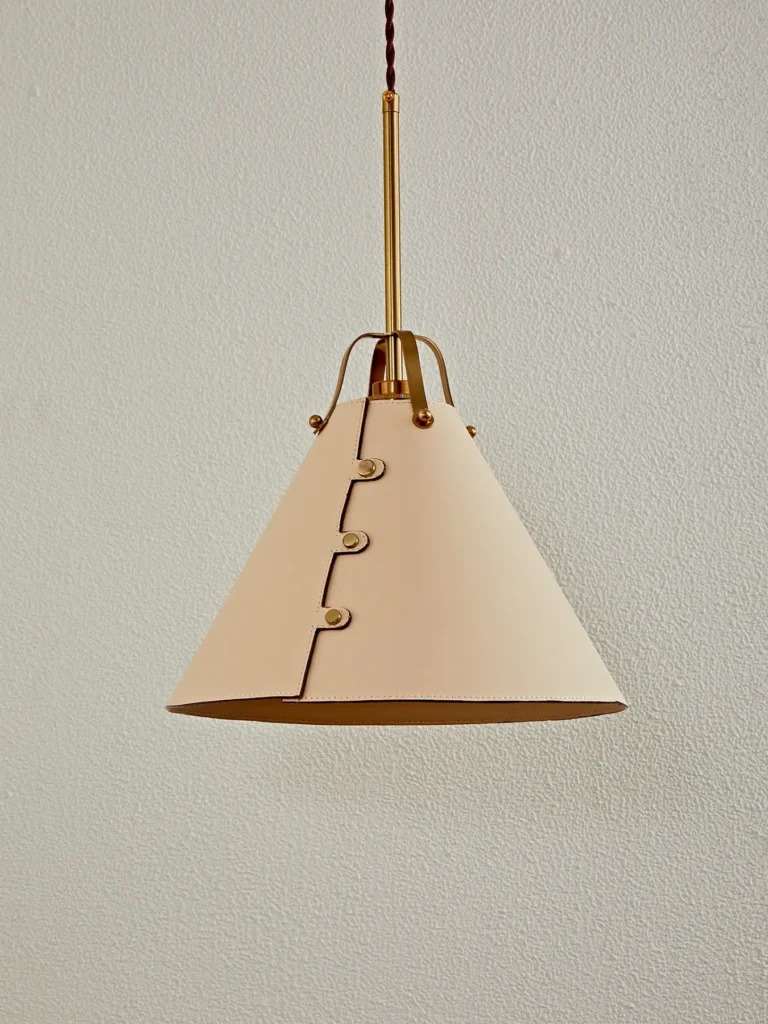
Model, Variant, and SKU Are Not the Same Thing
One pendant model offered in three sizes and three finishes creates nine possible combinations, but that does not mean all nine should become first-launch inventory SKUs.
- Core model: the underlying product form and construction.
- Variant: a size, finish, electrical, or packaging configuration.
- Stock SKU: a specific combination the brand plans to list, carry, and replenish.
Make these decisions before photography and packaging artwork. Otherwise, a catalogue can look extensive while purchasing, labeling, stock control, and repeat orders become unnecessarily complex. There is no universal correct SKU count; the manageable number depends on the concept, sample cost, MOQ, storage, and reorder plan.
Sample the Collection Before Building the Sales Range
Use product photos, dimensions, material details, finish references, and preliminary quotation data for the first shortlist. Then prioritize samples that could become hero or core products, plus models with unresolved scale, finish, light-effect, assembly, or packaging questions. Sampling every product that looks attractive increases shipping, review, storage, and photography work without necessarily improving the final range.
Sample Collection Review Sheet
Copy this blank structure into a spreadsheet and update it through the sample process.
| SKU | Product Family | Material | Size | Finish | Product Role | Sample Status | Decision |
|---|---|---|---|---|---|---|---|
| Hero / Core / Supporting / Test | Not Ordered / Ordered / Received / Reviewed | Keep / Revise / Drop / Pending |
Review Samples as a Collection, Not One by One
“Is this product beautiful?” is not enough. Put the samples together and ask whether they share a design language, whether finishes coordinate, and whether any material appears only once without a clear reason. Look for excessive repetition, a missing hero, insufficient supporting products, or one item that feels disconnected.
Also ask whether the range is easy to explain to a customer. A collection may contain individually attractive fixtures yet still fail when the proportions, price positions, or use cases are placed side by side.
It Is Normal to Drop Samples Before the Trial Order
Paying for a sample does not obligate the brand to buy it in bulk. A sample can be dropped because its scale feels wrong, its material does not fit the collection, it overlaps another SKU, packaging is difficult, the finish is inconsistent, it does not photograph well, or installation is too complicated for the target customer. “Keep,” “Revise,” and “Drop” are all useful outcomes.
For a disciplined approval process, use the custom lighting sample approval checklist.
Illustrative Example: A Small Organic Lighting Collection
Illustrative example — not an OBBAO customer project.
- Hero: a large sculptural silk or fiber pendant creates the visual identity.
- Core: a medium silk pendant supports broader residential or hospitality applications.
- Supporting: a ceramic pendant adds controlled material contrast.
- Supporting: a ceramic wall light extends the family beyond ceiling fixtures.
This is not a prescribed “best” combination. It simply shows how different products can serve different collection roles while remaining part of one direction.
Develop the Collection in Stages
A staged route can reduce first-launch complexity, although it is not the only valid approach.
Stage 1 — Existing Models
Existing structures can provide a faster sample route and a more manageable trial order. They are useful when the brand first needs to validate material direction, scale, and customer response.
Stage 2 — Meaningful Customization
Customize details that materially improve fit: finish, color, cable, canopy, selected dimensions, label, or packaging identity. The guide to custom pendant light options covers the available changes; this collection decision is about which changes deserve priority now.
Stage 3 — Signature Development
Once the brand understands its market direction, it can consider a new form, structure, exclusive combination, or deeper OEM product. For the full development-route decision, see OEM vs ODM lighting.
Let MOQ Shape the Collection Size
MOQ should influence the range rather than be evaluated one item at a time. Launching 15 models across several finishes and sizes can create a complex total inventory even when each individual MOQ appears manageable. Review the number of core models, variants, packaging versions, stock space, and reorder plan together.
Existing structures, standard finishes, and simpler first-stage packaging may provide more flexibility, depending on the product and supplier. The low MOQ custom lighting guide explains the mechanics; here, the point is to use those constraints to shape a coherent first collection.
Compare the Collection at SKU Level
A total collection cost can hide important differences. Compare supplier model, brand SKU, size, material, finish, quantity, sample charge, MOQ, bulk unit price, packaging, customization, and electrical configuration by SKU. Keep confidential prices in the working quotation rather than a public planning document.
| Brand SKU | Supplier Model | Size | Material | Finish | Sample | MOQ | Packaging | Status |
|---|---|---|---|---|---|---|---|---|
| Review / Approved / Hold |
For a fuller cost and scope comparison, read how to compare decorative lighting quotations.
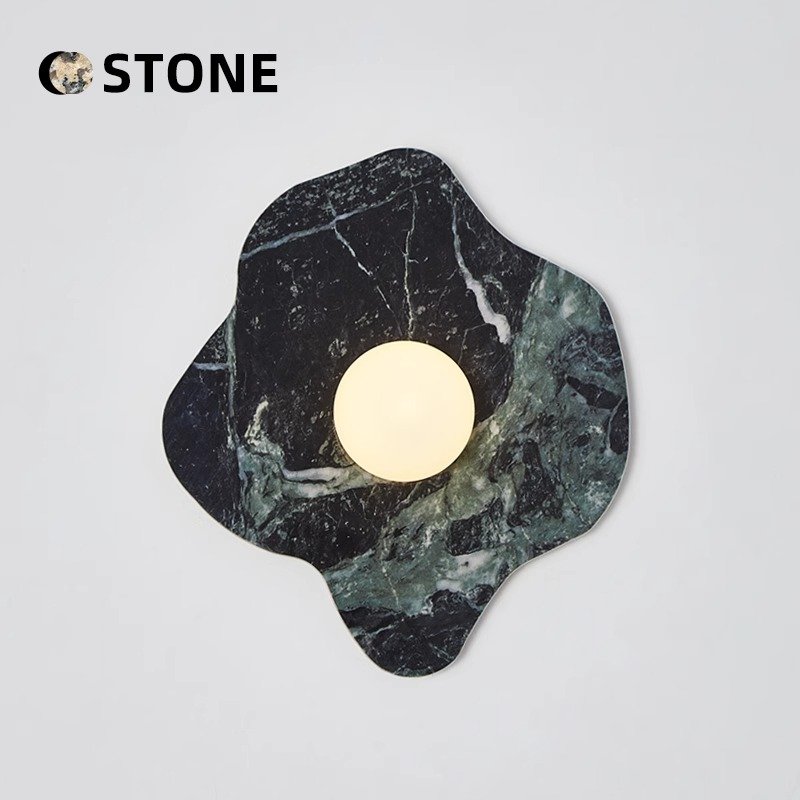
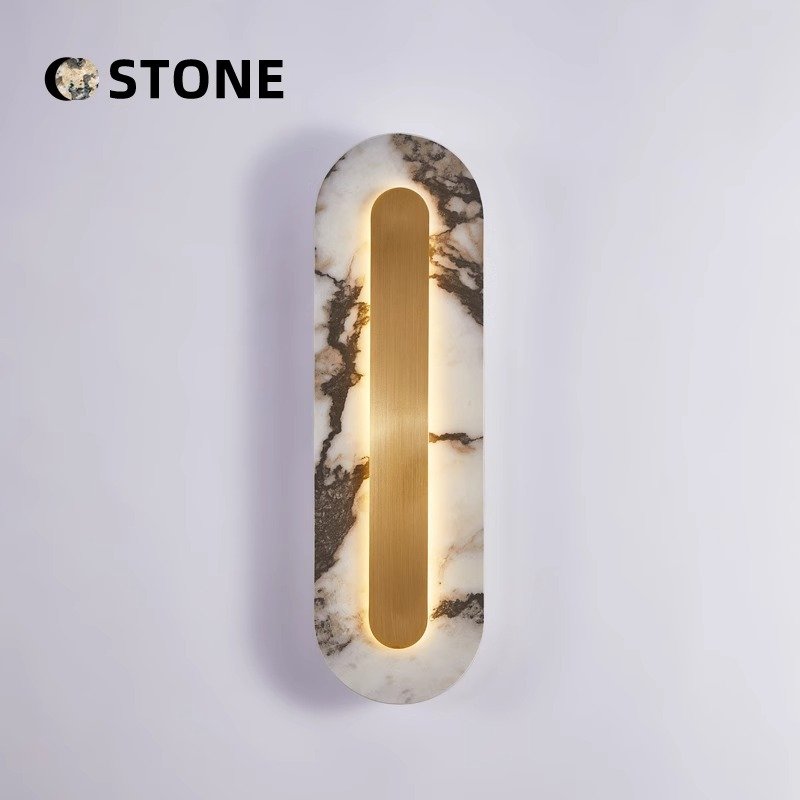
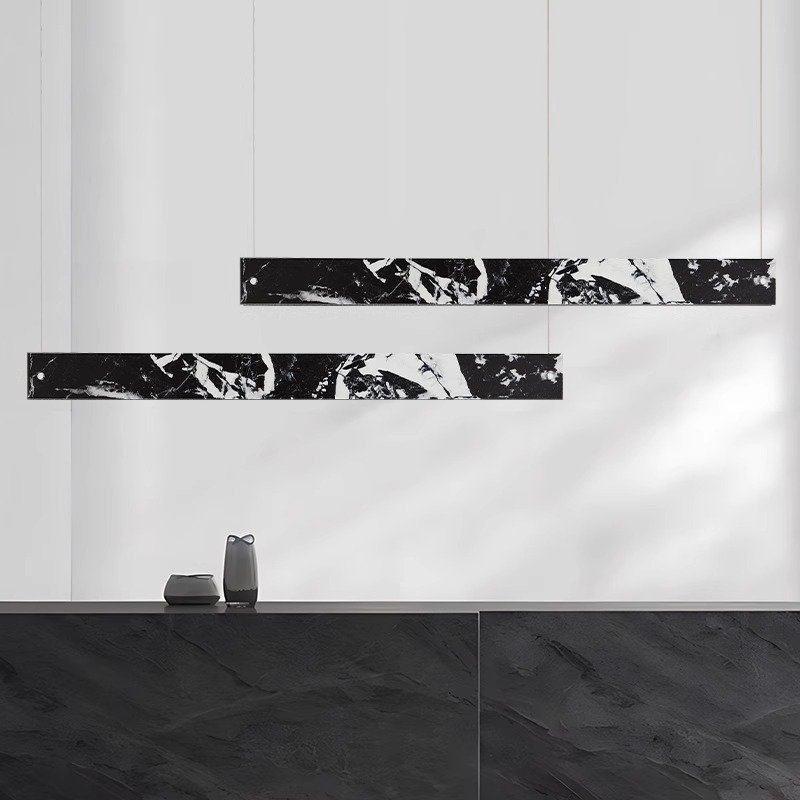
Real Example: Marble-Effect Decorative Lighting Collection Development
In OBBAO’s anonymized lighting collection development case study, the work was organized around collection-direction review, model-family selection, finish and material matching, SKU photo organization, quotation structure, sample PI preparation, and next-collection planning.
The value of that workflow is structure. Instead of sending an unfiltered folder of product pictures, it connects a material direction to specific models, evidence, quotation records, and the next sample decision. The case uses real product and process evidence while keeping the customer identity and confidential commercial information private. It does not claim sales results or identify a final retail launch.
What Should the Trial Order Teach the Brand?
A trial order is not simply a smaller purchase. It should create evidence for the second order.
- Product: Which models attract real customer or project interest?
- Size: Which sizes are easier to sell or specify?
- Finish: Which finish receives stronger demand?
- Packaging: Was protection, volume, and the opening experience practical?
- Installation: Were there recurring questions or unclear instructions?
- Photography: Which products produced convincing website or catalogue material?
- Reorder: Which SKUs are worth restocking?
- Collection gap: Is a size, fixture type, or supporting product missing?
| SKU | Customer Interest | Packaging | Installation | Reorder | Decision |
|---|---|---|---|---|---|
| Repeat / Expand / Revise / Drop / Observe |
Use Packaging That Matches the Collection Stage
At an early trial stage, a neutral export carton with a brand label, SKU sticker, and required manual may be more practical than a fully printed retail box. After the range stabilizes, the brand can consider printed cartons, stronger retail presentation, or more developed inserts according to its sales channel.
Avoid Ordering Too Much Packaging Before the SKU Is Stable
If the model name, dimensions, barcode, finish, or SKU may change, a large packaging order can become obsolete. Packaging MOQ, artwork revisions, storage, and unused printed cartons should be reviewed alongside product MOQ. Protection remains the first requirement for fragile decorative lighting.
Build a SKU System Before the Collection Grows
A useful code can distinguish product family, model, size, finish, and market or electrical variant. For example, OBR-P01-400-BE is illustrative only and is not an OBBAO internal SKU format. Whatever system the brand chooses, map the buyer SKU to the supplier model and carton SKU so the same product is not described three different ways.
Keep One Product Record for Every Approved SKU
Store the brand SKU, supplier model, final photo, dimensions, material, finish, electrical configuration, cable, canopy, approved sample, packaging, label, quotation reference, MOQ, and revision date in one controlled record. Six months later, “Please make the same as last time” should be replaced by an approved SKU record, specification, sample reference, packaging file, and artwork version.
A structured custom lighting specification sheet can support that record when several models and variants are reviewed together.
Plan Collection Photography Before the Trial Order Arrives
Use a consistent background, crop, lighting style, image ratio, file naming system, and material-detail approach across the range. For each core SKU, consider a white-background image, product detail, illuminated image, and scale or context image where appropriate. Supplier photos can help selection, but unrelated source images rarely create a coherent brand presentation.
Renderings are useful for design concepts and pre-development decisions. Real product photos are better evidence of actual finish, material, proportion, and sample condition. A rendering should not be presented as proof of a production product.
Confirm the Destination Market Before Final Approval
Electrical configuration and documentation vary by market. Before finalizing stock SKUs, confirm voltage, lamp holder or driver, plug where relevant, labeling, instructions, and required documentation for the intended destination. Manage an electrical version as a controlled variant of the product family rather than creating an unclear naming system for every country.
For European-market documentation questions, review the separate CE and RoHS guide for decorative lighting buyers. Requirements should be confirmed for the actual product and destination rather than inferred from a collection name.
Retailers that need a broader sourcing workflow can also review how to source custom pendant lights from China; this article remains focused on product-range planning rather than supplier selection.
Private Label Collection Planning Matrix
Use the matrix below as a master view. It connects the original concept to sample, trial, and repeat decisions without exposing customer or quotation data.
| Product Family | Brand SKU | Supplier Model | Role | Material | Size | Finish | Sample Status | MOQ | Packaging | Trial Status | Repeat Decision |
|---|---|---|---|---|---|---|---|---|---|---|---|
| Hero / Core / Supporting / Test | Repeat / Revise / Drop / Observe |
Collection Development Workflow
Expand the Collection From Evidence
Do not add SKUs simply because a supplier sends a new catalogue. Review demand for the existing hero product, requested sizes or finishes, missing supporting fixtures, installation feedback, repeat-customer requests, and reorder frequency. Evidence may justify a smaller or larger hero size, a new shape in a popular material, or a related wall light—but not every range needs every extension.
Common Private Label Collection Mistakes
- Starting with too many unrelated products. Individual appeal does not create a recognizable collection.
- Treating every color and size as a core SKU. Separate possible variants from combinations that deserve stock.
- Sampling every product in the catalogue. Shortlist first and spend sample attention where physical review changes a decision.
- Customizing too much before validation. Prioritize changes that support fit and identity; postpone complexity without a clear purpose.
- Developing expensive packaging too early. Unstable SKUs can make printed cartons and inserts obsolete.
- Reviewing samples individually. Place them together to find repetition, gaps, and disconnected products.
- Not mapping supplier models to brand SKUs. This creates labeling and reorder errors as the collection grows.
- Adding products without reviewing repeat demand. Expansion should answer an observed need.
- Keeping weak SKUs because samples were paid for. A dropped sample can prevent a larger inventory mistake.
- Using supplier photos as final brand photography. Inconsistent images weaken the visual system even when the products relate.
Planning a Private Label Pendant Lighting Collection?
Send your target market, design direction, preferred materials, and shortlisted models so the first sample collection can be reviewed before too many SKUs are committed.
Frequently Asked Questions
How many products should a first private label lighting collection have?
There is no universal number. The right range depends on the target market, budget, MOQ, sample cost, collection concept, packaging, and inventory strategy. Coherence and manageability matter more than reaching an arbitrary SKU count.
Should every size and color become a separate SKU?
Not necessarily. First distinguish the core model, available variants, and combinations the brand genuinely plans to stock and replenish.
Should a new lighting brand use existing models first?
Existing models may reduce development time and first-order complexity. Brands that need stronger differentiation can selectively develop signature products after the direction is clearer.
Can a private label lighting collection start with a low MOQ?
It depends on the model, material, customization, packaging, and supplier setup. Existing structures and simpler packaging may provide more flexibility, but no single MOQ applies to every fixture.
Should every product be sampled?
Not always. Shortlist with photos, dimensions, materials, finish references, and quotation information, then prioritize hero and core candidates or products with unresolved physical details.
When should a brand expand the collection?
Expand after the sample and trial stages provide evidence about demand, size, finish, installation, packaging, and reorder priorities.
Build a Collection That Can Be Tested and Reordered
A first private label lighting collection does not need dozens of unrelated products. Define the direction, assign product roles, review samples together, launch a manageable trial order, and expand using real market feedback.
Send OBBAO your target market, mood board, shortlisted models, preferred material, target finish, approximate quantity, packaging requirements, and destination market to discuss a practical collection-development route.