
Approving a custom lighting sample is not the end of product development. It is the point where the project must become a repeatable production specification. Before custom lighting bulk production starts, the approved sample must become a controlled reference for purchasing, engineering, production, inspection, and packing.
A buyer may approve one pendant with the correct glaze, cable, and canopy, yet still receive an inconsistent batch if those details are not recorded. The goal is to lock what was approved, identify what may naturally vary, and control later changes.
An Approved Sample Is Not Enough Without an Approved Specification
“Looks good, proceed” is not a complete instruction. The sample shows proportion, finish, texture, structure, and assembly, but not every commercial, electrical, labeling, or packaging requirement.
A production-ready reference should identify the model or SKU, approved sample version, dimensions, material, finish, color, electrical configuration, cable, canopy, packaging, applicable labels, and approval date. If the buyer approved changes after receiving the sample, those changes need to appear in the final drawing or written specification.
The sample answers “what should this look and feel like?” while the written record defines the configuration to repeat. Buyers still reviewing the sample can first use this custom lighting sample approval checklist.
What Is a Golden Sample or Control Sample?
Buyers and manufacturers may use terms such as approved sample, golden sample, control sample, or master sample for the final physical reference. Terminology varies between companies, so the important point is to record which physical item and version have final approval.
A control sample helps production teams compare proportion, color, finish, texture, structure, and assembly across repeated units.
However, a physical sample alone does not contain every requirement. It may not show the final carton mark, barcode, manual language, voltage, driver, dimming requirement, or quantity breakdown. Golden sample lighting control works best when the sample is paired with an approved specification and revision record.

Custom Lighting Bulk Production Handover Checklist
Use this lighting bulk production checklist as a live handover record. Mark each line Confirmed, Pending, or Not Applicable rather than leaving assumptions hidden.
| Item | Approved Reference | Production Status |
|---|---|---|
| Model / SKU | Confirmed version | |
| Dimensions | Final drawing / specification | |
| Material | Approved material | |
| Finish | Approved sample / reference | |
| Color | Approved reference | |
| Cable | Length + color | |
| Canopy | Size + finish | |
| Electrical | Final market configuration | |
| Packaging | Approved method | |
| Branding | Label / carton / manual | |
| Quantity | Final PO | |
| Spare Parts | If required | |
| Revision | Final revision number |
Step 1: Freeze the Final Product Specification
Multiple versions must not remain active when production begins. Sample V1, Sample V2, an old quotation, a revised drawing, and a later chat message cannot all be treated as production instructions. The factory needs one answer to the question: which version is final?
Create a Final Approved Specification that records the revision, date, model, size, material, finish, electrical configuration, and packing requirements. Link it to the approved sample and final purchase order.
When defining the available options, use the same terms already agreed during customization. OBBAO’s guide to custom pendant light options is useful for organizing size, color, cable, canopy, and packaging decisions without reopening the entire design stage.
Lock the Dimensions
Confirm diameter or width, fixture height, overall installed height where relevant, cable or drop length, canopy size, mounting dimensions, and multi-pendant spacing when it is part of the fixture configuration.
Acceptable production tolerance should be agreed according to the material, structure, and manufacturing process. The buyer-facing record should state which dimensions affect installation, alignment, or compatibility.
Step 2: Confirm the Production Material, Not Only the Sample Appearance
Two materials can look similar in one sample but behave differently in production. Confirm the actual material, material type or source where relevant, thickness where it affects structure, approved fabric or fiber, ceramic body and glaze direction, stone selection, and metal finish.
The buyer does not need confidential supplier data. The specification only needs enough detail to prevent a visually similar but functionally different substitution.
Ceramic Production Reference
For ceramic, record the shape, glaze direction, color range, texture, acceptable handmade variation, and key dimensions. Bulk ceramic production should not be expected to look as identical as an injection-molded plastic part, but “handmade” should not become an unlimited allowance for variation.
Define what variation supports the handmade character and what would change the design or installation result.
Textile and Fiber Production Reference
For fabric, silk-style, or fiber shades, confirm the approved material, tone, frame, silhouette, seam or tension where applicable, surface variation, and light transmission if it affects the intended atmosphere. If a new material batch may change tone, the production team should flag that risk before completing the batch.
Stone Production Reference
For marble, travertine, and other natural stone, confirm the actual stone type, color range, expected veining or pores, surface finish, dimensions, drilling, hardware interface, and acceptable natural variation.
Natural material cannot be controlled by approving only one attractive piece. Buyers should approve a range—not a promise that every stone pattern will match the sample exactly.

Step 3: Lock the Electrical Configuration Before Production
Confirm the destination market, voltage requirement, lamp holder, LED module where applicable, driver, dimming requirement, cable, wiring or grounding requirement where applicable, and plug if the product uses one.
A development sample is sometimes built mainly for visual review and may use a temporary electrical configuration. Production cannot assume that the sample electrical setup equals the final market specification. The finished electrical configuration must be stated separately.
Separate Product Approval From Compliance Requirements
“Sample approved” does not mean all certification documents or buyer-specific tests are automatically complete. A project may separately require CE, RoHS, other destination-market documentation, or a buyer’s own testing scope.
Confirm the applicable scope before materials and components are committed. Do not assume every model, component, or configuration carries the same documentation.
Step 4: Define How Finish and Color Will Be Controlled
Metal finishes, ceramic glaze, fabric color, fiber tone, handmade surfaces, and stone selection are frequent sources of batch inconsistency. A practical reference can combine the approved physical sample, a photo record, and a color or material reference where applicable.
A phone photo should not be the only color standard because screens, lighting, and white balance change appearance. When accurate matching matters, the physical or material reference takes priority.
Approve a Range When the Material Naturally Varies
Ceramic glaze, stone, hand-applied finishes, and natural fiber may need an acceptable range rather than the instruction “match exactly.” A visual range can show examples that are too light, approved, and too dark without inventing a universal numeric tolerance.
The same principle applies to surface texture and veining. Define what must remain consistent—such as overall tone, dimensions, assembly, and silhouette—while identifying which natural details may vary.
Step 5: Confirm Quantity by Model and Version
“100 pendant lights” is not a sufficient quantity instruction if the order contains different sizes, finishes, cable lengths, voltages, or room allocations. Model A / 400 mm / beige / 1.5 m cable and Model A / 500 mm / beige / 3 m cable should be treated as separate production configurations.
This breakdown supports purchasing, assembly, labeling, packing, and inspection. It also reduces the risk of combining superficially similar versions in one carton or room allocation.
Mixed Project Orders Need a Production Schedule
Hotel, villa, and restaurant orders often contain multiple models, sizes, and areas. A simple schedule can connect production with installation needs.
| Model | Configuration | Quantity | Area / Room | Packing Label |
|---|---|---|---|---|
| Model A | 400 mm / beige / 1.5 m cable | Final PO | Area A | Confirm |
| Model A | 500 mm / beige / 3 m cable | Final PO | Area B | Confirm |
These rows are illustrative; use the buyer’s final models, quantities, and room codes.
Step 6: Make Sure the Key Components Are Defined
Buyers do not always need access to a factory’s complete internal bill of materials. They do need confirmation of components that affect the finished product: shade or body, frame, cable, canopy, lamp holder, driver where applicable, diffuser, mounting hardware, and packaging components.
If a key component changes during custom lighting production, assess whether the change affects appearance, electrical performance, installation, compliance, or packaging.
Do Not Allow Silent Material or Component Substitution
Substitution is not automatically unacceptable. Materials can become unavailable and components can be improved. The procurement principle is that a substitution affecting appearance, function, safety, installation, or certification should be disclosed and approved before implementation.
Record the proposed replacement, reason, affected models, evidence, and buyer decision. This is production control, not a substitute for legal contract language.
Step 7: Lock Packaging Before Production Finishes
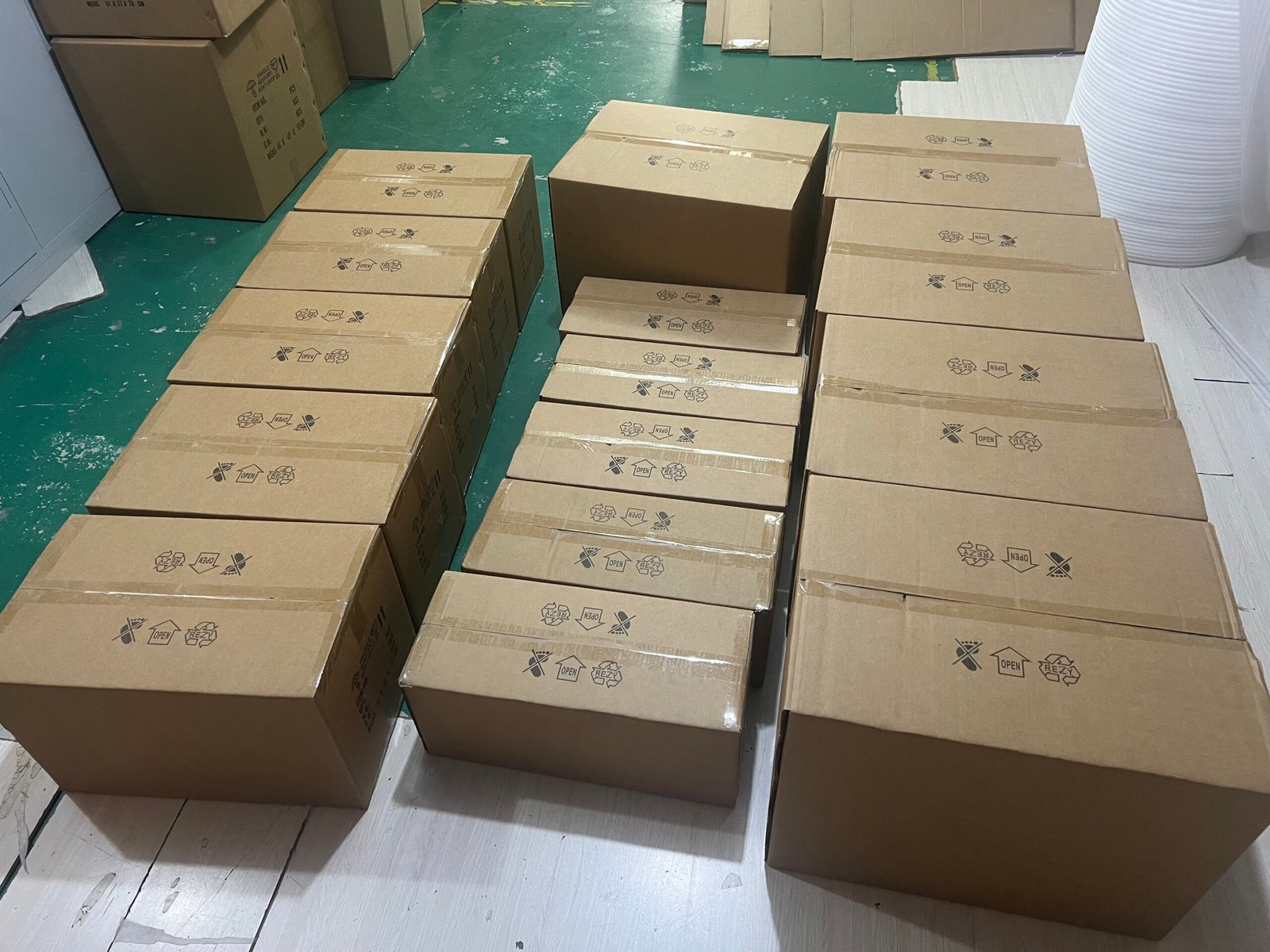
Packaging should not be left until every fixture is complete. Confirm inner protection, carton, accessory placement, labels, barcode where required, private-label elements, room or project labels, and spare parts.
Fragile and irregular fixtures may require protection that matches their material and weak points. The detailed engineering belongs in the fragile decorative lighting packaging guide; this handover checklist asks whether the final method has been approved early enough to prepare the correct components.
Step 8: Confirm Private-Label Details Separately
Lighting brands may need a logo, product label, barcode, SKU, manual, carton mark, or branded box. Confirm the approved artwork, version, position, language, and quantity for each item.
Product and artwork approval are separate decisions. Freeze both before production.
Step 9: Use a Pre-Production Confirmation Before the Full Batch Starts
Depending on product risk and project scale, the final production handover may include a production drawing, material swatch, finish sample, first-off unit, or production reference photos. Not every order requires a formal pilot run, but the confirmation method should match the consequences of an error.
The most economical time to find a mismatch is before the full quantity has been completed.
When Is a First Production Unit Useful?
A first production unit can be valuable for major customization, a new material or finish, a new electrical configuration, a high quantity, repeated hotel-room installation, or a private-label launch. Review it against the approved reference, not against memory or an isolated chat image.
This is a production check, not a restart of sample development.
Step 10: Define What “Consistent” Means for the Batch
“All pieces must be identical” is not a useful universal standard. Consistency depends on material and process.
- Metal: finish direction, dimensions, assembly, and visible joining details.
- Ceramic: shape, agreed glaze range, texture, and assembly.
- Fabric: frame shape, fabric, seam, tension, and tone.
- Silk or fiber: silhouette, tone, and agreed surface variation.
- Stone: dimensions, surface finish, hardware interface, and approved natural variation.
One Approved Sample May Represent Hundreds of Fixtures
After sample approval, one reference may guide dozens or hundreds of fixtures for a hotel, restaurant, or brand order. The approved sample creates the target; batch controls, records, and inspection help determine whether production followed it.
What Happens if Something Changes After Sample Approval?
Material availability, cable length, ceiling conditions, drivers, finishes, or packaging may change after approval. Do not manage those changes through scattered messages.
Use a revision sequence such as Revision A, Revision B, and Final Approved Revision. Record the change, date, affected configurations, and approval. This controls what production follows; the custom lighting lead time guide separately explains when project stages happen.
Small Changes Can Affect More Than One Production Detail
A cable-length change can affect packing, labeling, installation, and room allocation. A shade-diameter change can affect the frame, carton, weight, and shipping volume. Update every dependent part of the specification rather than changing one line in a chat message.
What Production Evidence Should Buyers Request?
Evidence should match order risk. Buyers may request material photos, finish photos, a first production unit, assembly photos, quantity or batch photos, packaging photos, labels, and carton marks.
Not every order needs a daily report. Agree useful checkpoints before production.
Sample Approval Is Not the Same as Bulk Inspection
Sample approval defines what should be produced. Bulk inspection checks what was actually produced. The two activities are connected but not interchangeable.
A final handoff to inspection may cover quantity, dimensions, finish, electrical function, accessories, labels, packaging, and carton marks. This article does not prescribe AQL, random sampling, or a complete pre-shipment QC method; those belong in a dedicated decorative lighting quality control guide.
Commercial Approval and Product Approval Are Different
Before production starts, the buyer should separately confirm the purchase order, quantity, unit price, payment milestone, final specification, and production authorization. Approving a sample does not automatically confirm the commercial order.
If quotations contain different scopes, normalize the inclusions before issuing the PO. The decorative lighting quotation comparison guide explains how to compare product, electrical, packaging, and commercial assumptions.
Before You Tell the Factory “Start Production”
☐ Final sample approved
☐ Final specification approved
☐ Final quantity confirmed
☐ Electrical configuration confirmed
☐ Material / finish confirmed
☐ Packaging confirmed
☐ Branding confirmed
☐ Revision number confirmed
☐ Target schedule confirmed
☐ Commercial order confirmed
Have an approved lighting sample and preparing for bulk production? Before production starts, confirm the final dimensions, material, finish, electrical configuration, packaging, and revision record.
Common Mistakes Between Sample Approval and Bulk Production
Approving a sample without a final specification
The factory receives visual approval but no consolidated production record. Details that were understood during sampling can be lost when purchasing and production teams take over.
Factory and buyer using different drawing versions
Both sides may believe they have the latest file. Put the revision and approval date on the final drawing, then withdraw or label older versions.
Changing color after production starts
A late color change may affect purchased materials, completed parts, and delivery planning. Document the change and confirm its production impact before implementation.
Assuming the sample electrical configuration is final
A visual sample may contain temporary parts. Confirm the final market, voltage, lamp holder or LED system, driver, dimming, cable, and grounding separately.
Not defining natural material variation
One ceramic glaze or stone piece cannot represent every natural variation. Approve a range and identify the characteristics that must remain controlled.
Forgetting packaging until production finishes
Carton dimensions, inserts, accessory placement, labels, and room codes may require materials and preparation. Late decisions can create avoidable rework.
Private-label artwork still changing
Product and packaging teams may hold different artwork versions. Freeze the approved file, language, placement, and SKU mapping.
Sending revisions across multiple chat messages without a final record
Scattered messages do not show which instruction replaced another. Consolidate the approved change into the current specification and revision history.
Real Example: From Wabi-Sabi Pendant Sample Review to Procurement Control
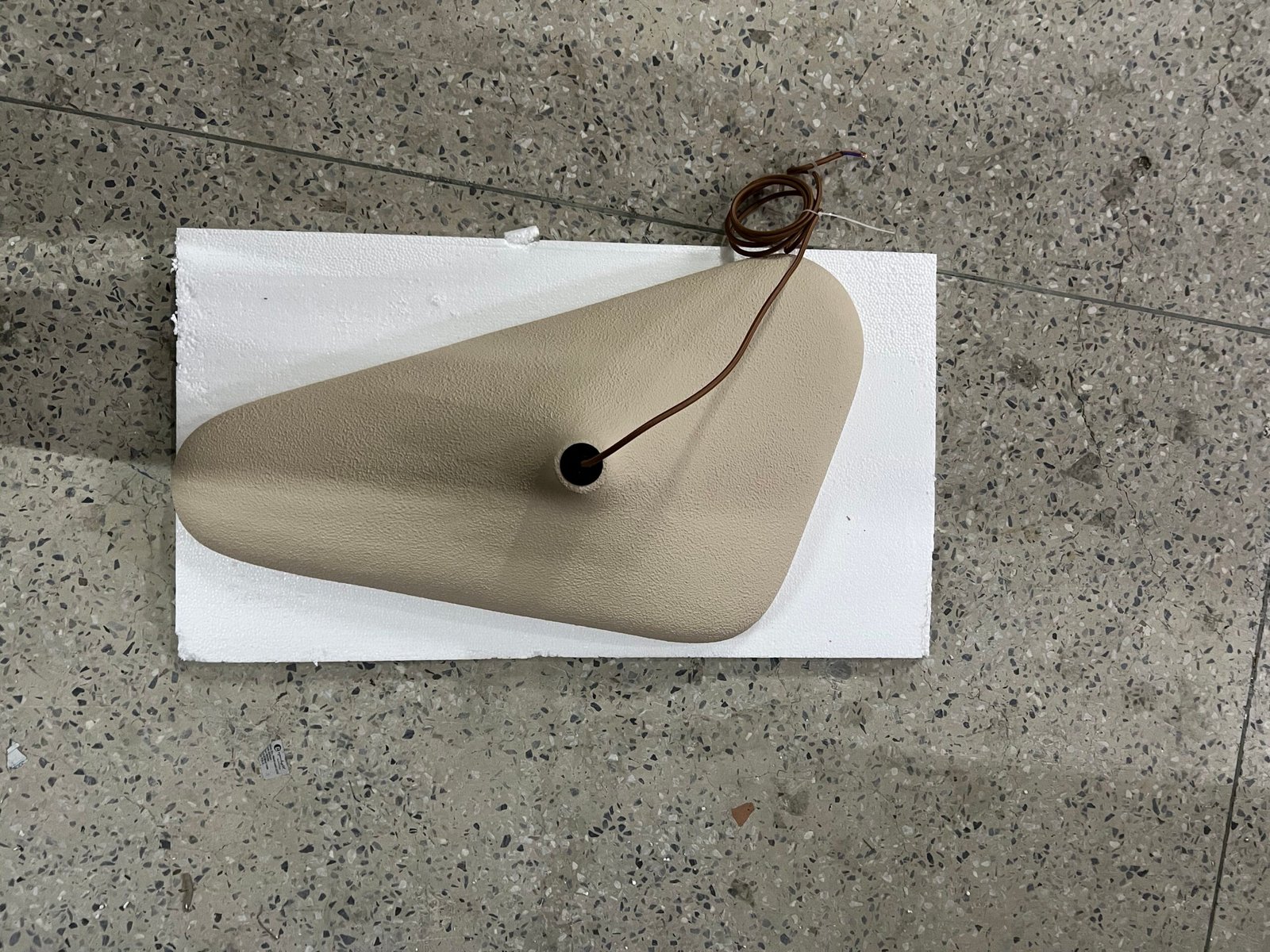
OBBAO’s published Wabi-Sabi pendant sample case study documents a real sequence from design-reference review and pendant shortlisting to material and size discussion, photo confirmation, a sample list, sample PI confirmation, and packing review.
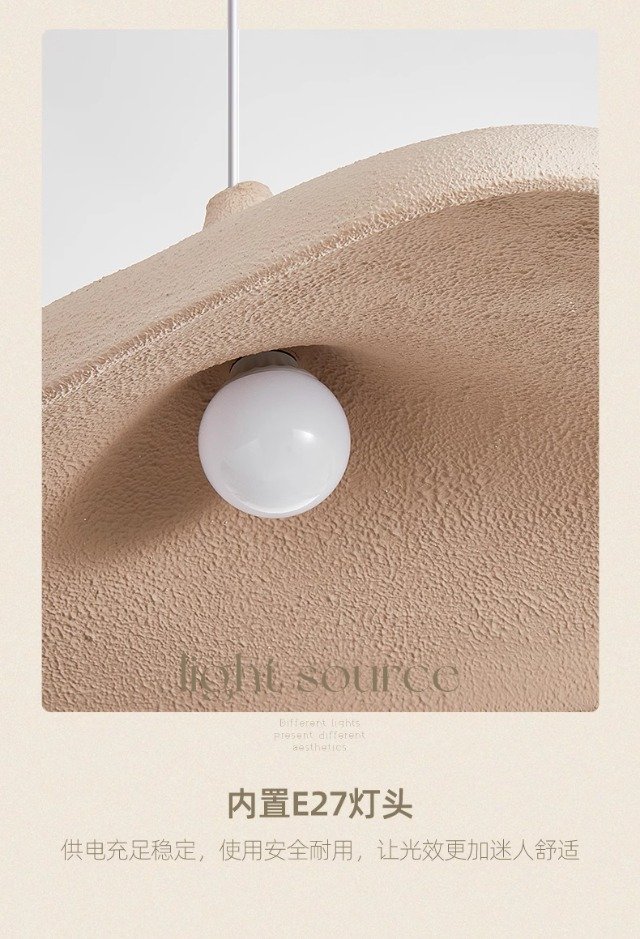
The evidence includes real pendant photos, an inner lamp-holder detail, and an inspection view before packing. It demonstrates why sample approval is only one checkpoint. To move toward project procurement, the chosen model still needs a final production specification, configuration-by-quantity record, packing requirements, and inspection handoff.
Sample-to-Production Checklist
- Approved sample
- Final specification
- Material
- Finish
- Electrical
- Quantity
- Components
- Packaging
- Branding
- Revision
- Production evidence
- Final inspection
FAQ
What should be confirmed before custom lighting bulk production?
Confirm the final sample version, dimensions, material, finish, electrical configuration, quantity, packaging, branding, and revision record. The physical reference and written specification should agree.
What is a golden sample in lighting production?
The term may refer to an approved physical sample used as a production reference. Because terminology varies, identify the exact sample version and support it with written specifications.
Will bulk production look exactly the same as the sample?
Not necessarily. Materials and handmade processes can have normal variation. The buyer and manufacturer should define which details must remain consistent and what variation is acceptable.
Can I change the specification after bulk production starts?
Changes may be possible, but they can affect materials, cost, schedule, packaging, or completed units. Document and approve the change before it is implemented.
Is sample approval the same as final quality inspection?
No. Sample approval defines what should be produced; final inspection checks whether the bulk production follows those requirements.
Should natural stone or handmade ceramic match the approved sample exactly?
Not always. Natural and handmade materials may vary, so an acceptable range should be agreed before production while dimensions, assembly, and other critical details remain controlled.
Move From Sample Approval to Production With Clear Specifications
Send OBBAO your approved model or sample, final dimensions, finish, quantity, electrical market, cable and canopy requirements, packaging, branding, and target schedule. The team can review what still needs confirmation before custom lighting bulk production begins.