
Two ceramic pendant lights can come from the same design and follow the same finish direction, yet show slightly different tone, glaze movement, texture, or surface character after firing. That ceramic glaze variation can be part of the appeal of ceramic pendant lights—but it becomes a procurement risk when nobody has defined what is acceptable.
The goal is to agree where natural material character ends and an unacceptable production difference begins. Buyers need a clear finish reference, an approved range, and a way to identify outliers.
Handmade Variation Is Not the Same as Uncontrolled Variation
Handmade ceramic may show tone movement, glaze pooling, texture changes, or surface character. Those qualities can support the design intent, but they do not make every result acceptable.
Buyers can still control the approved color direction, overall finish, dimensions, product configuration, and hardware interface. Cracks, serious chips, an incorrect glaze direction, or the wrong model are different from acceptable handmade variation. Variation should be intentional or acceptable—not simply unexplained.
Why Can Ceramic Glaze Look Different From Piece to Piece?
Ceramic glaze appearance can be influenced by several connected factors. Depending on the glaze and process, application thickness, the clay body, surface texture, kiln position, firing conditions, handmade application, and the production batch may affect the finished tone or surface.
Glaze can collect differently around curves, rims, recesses, and openings. These are high-level procurement considerations, not a universal explanation for every ceramic process; judge the specific product against real samples.
Different Glaze Directions Show Different Levels of Variation
More Uniform or Controlled Finish
A simple solid-color direction is normally selected when the project wants greater visual consistency. Small differences can still occur, but the intended color family, surface, and gloss should remain coordinated.
Reactive or Flowing Glaze
Reactive or visibly flowing glaze may show pooling, tonal movement, edge variation, and lighter or darker areas. Its visual value often comes from depth and movement. Requiring every piece to look identical may conflict with the finish direction itself.
Matte or Textured Glaze
Here, the most noticeable difference may be surface density, texture, or the way the tone absorbs and reflects light. “Same beige” is not enough if one approval is smooth and glossy while another is rough and matte.
Handmade or Artistic Finish
An artistic direction may allow stronger surface character. The allowed variation must still be tied to the product and approved sample; it should not become an unlimited category that covers wrong color, damage, or a different finish.
Ceramic Glaze Variation: What Buyers Should Review
| Feature | Natural or Expected Variation May Include | What Still Needs Control |
|---|---|---|
| Tone | Slight lighter or darker movement within the approved direction | Wrong overall color family or an obvious outlier |
| Glaze movement | Pooling or surface movement where intended | A completely different finish direction |
| Texture | Handmade or fired surface character | Damage or an unintended severe surface defect |
| Gloss | Small surface variation depending on the glaze | The wrong matte or gloss specification |
| Shape | Limited handmade variation where applicable | Incorrect dimensions affecting installation |
| Surface | Character consistent with the approved reference | Cracks, chips, or unacceptable damage |
Illustrative procurement guidance—not a universal ceramic quality standard. Project-specific cosmetic acceptance should be agreed before production.
Ceramic Variation and Ceramic Defects Are Not the Same Thing
Small tone movement, intended glaze pooling, handmade texture, and subtle surface differences may fall within an approved ceramic pendant finish. A crack, broken edge, serious chip, wrong size, wrong model, incorrect hardware interface, or wrong glaze direction is a different issue.
The dividing line is the approved project reference. Avoid inventing a universal cosmetic grade; define the project need and assess production against that agreement.
One Beautiful Sample Does Not Define the Entire Production Range
One ceramic lighting sample can confirm shape, overall color direction, texture, size, hardware, and the light effect. If the finish naturally varies, however, one attractive piece may not show the lighter, darker, smoother, or more textured results that could appear in bulk production.
For repeated projects, several representative pieces or an agreed visual range may be more useful. The approach depends on quantity, layout, finish behavior, and the consequence of an outlier. The broader custom lighting sample approval guide covers other checks.
Approve a Color and Surface Range, Not Only One Piece
For a ceramic pendant light glaze with visible movement, the approval can identify a target plus lighter and darker examples that remain acceptable. The same approach can describe an approved texture range. It gives production and inspection teams a practical visual boundary without inventing a laboratory tolerance.
Too Light
Too Dark
Conceptual illustration only. These abstract color blocks are not ceramic samples; actual glaze approval should use physical samples or agreed finish references.
Reactive Glaze Needs a Different Approval Mindset
The depth and movement of reactive glaze lighting can be the reason a designer chooses it. Approving one exact photograph and then expecting every fired piece to reproduce that image can create a requirement that the material direction cannot reasonably express.
Instead, approve the overall color family, the character of the movement, the acceptable light-to-dark range, texture, gloss, and any edge or rim behavior that matters. The phrase “reactive glaze” should only be used when the product information or sample confirms that process; appearance alone is not proof.
Pantone Can Communicate Direction but May Not Equal Fired Ceramic
Pantone, RAL, printed color, and digital color can help a buyer communicate a target direction. They are useful references, not guarantees that a fired ceramic surface will look exactly like flat ink or a screen.
Clay body, gloss, texture, geometry, and firing can influence perception. The physical glaze sample or agreed finish reference should carry more weight in final approval.
Do Not Approve Ceramic Color From a Phone Screen Alone
Cameras, phone displays, white balance, room lighting, and reflections can shift how a glaze appears. Photographs are valuable for recording versions and discussing direction, but a critical hotel, restaurant, retail, or brand project should use a physical sample or physical finish reference when feasible.
Review the finish with the light off and on. Off, examine color, texture, gloss, and movement. On, highlights, shadow, reflection, and light around openings can change its appearance.
Review Samples Under Relevant Lighting Conditions
A warm interior and a cool showroom can make the same ceramic pendant finish feel different. If the project already has a lighting specification, review the sample in a reasonably similar environment. There is no universal color temperature that every glaze must be judged under.
Shape matters too. Curves, ridges, deep openings, and larger sculptural surfaces affect pooling and reflection. A small glaze chip may communicate direction without fully representing how the same finish will look on a large shade.
Ceramic Glaze Approval Workflow
A practical sample name such as GL-01A, GL-01B, and GL-01C can reduce confusion; the code is illustrative, not an OBBAO standard. Record the version, date, photograph, requested adjustment, and approval. “V1—too yellow; V2—approved direction” is much safer than “Sample 1 looks better.”
Full Fixture Sample vs Finish Sample
Not every project needs a complete lamp before the glaze direction is discussed. A supplier may be able to prepare a ceramic glaze sample or finish piece first, then apply the approved direction to a full fixture sample. Feasibility depends on the product, production process, and supplier capability.
A finish sample cannot prove final scale, curves, rim appearance, assembly, or light effect. Use it as one step, not proof of the complete result.
How Should Buyers Review Glaze Variation in Bulk Production?
Compare multiple finished pieces together, then compare the group with the approved sample or range reference. Look at the overall color direction, glaze movement, texture, and gloss. Separate acceptable movement from pieces that clearly fall outside the group, and assess cracks or chips separately as damage.
Inspect the batch as a group, not only one lamp at a time. Ten individual pieces can each look reasonable in isolation while one becomes obviously too dark, too glossy, or too smooth when the fixtures are placed in a row. This is especially important for pendant clusters, restaurant counters, and public hotel areas. For dimensions, electrical checks, accessories, labels, and packaging, use the full decorative lighting quality control checklist.
How Much Glaze Variation Does the Project Want?
| Project Intent | Buyer Priority | Approval Focus |
|---|---|---|
| More Uniform Collection | Tighter visual consistency | Sample range plus batch review |
| Handcrafted Restaurant | Visible handmade character | Approve broader but intentional variation |
| Single Hero Pendant | A distinctive individual surface | Approve the individual sample |
| Repeated Hotel Installation | Coordinated batch appearance | Review several pieces together |
Examples only. A factory cannot simultaneously deliver “each piece visibly unique” and “all pieces visually identical.” State the design intent during RFQ and sampling.
Glaze Variation in Restaurants, Hotels, Villas, and Brand Collections
Restaurant Projects
Pendants often sit close together over a bar, counter, or dining tables. A single outlier is more visible in a row, so the approved batch range and group review matter more than judging isolated cartons.
Hotel Projects
Small differences may be less noticeable when fixtures are separated between guest rooms. In a lobby, restaurant, or other public area, coordinated appearance becomes more important. The required control depends on the design intent and installation plan.
Villa Projects
Quantities may be lower, but a client can be highly specific about a hero pendant, kitchen island group, or dining-area finish. Approving the actual model and surface direction is more useful than approving the word “beige.”
Lighting Brands and Retail Collections
A brand may sell the same design across several production orders. Keep the approved sample, glaze or finish code, photographs, specification, production date or batch reference where available, and revision record. A later order can be compared with that evidence, although exact color forever should not be promised.
Repeat Orders Are Harder Than Matching One Production Batch
Months or years later, glaze batches, raw materials, suppliers, or production conditions may change. “Same model” does not mean “identical color forever.”
Retain the product model, finish code, approved sample, approved photos, color direction, surface direction, production date or batch information if available, and revision. The sample-to-bulk production guide explains how that reference connects to the wider production record.
Replacement Ceramic Shades May Not Match Old Fixtures Exactly
A replacement shade ordered years later may reproduce the recorded shape and interface while still showing a slightly different glaze tone. For repeated projects, discuss spare quantities, installation grouping, and future matching expectations before the original order ships. See the replacement parts planning guide for the broader spare-parts decision.
What Changes When the Buyer Requests a Custom Glaze?
A custom ceramic glaze may add sample iterations, color approval, firing trials, production controls, and lead-time implications. The route depends on whether the target resembles an existing finish or requires new development. It should not be described as a fixed number of trials.
A reference photo communicates direction, not a ceramic recipe. A typical workflow is Reference → Factory Review → Glaze Sample → Feedback → Adjustment → Approval → Bulk Production. Broader choices belong in custom pendant light finishes and options.
Real OBBAO Ceramic Product Examples
These examples show different visible surfaces in OBBAO’s ceramic pendant lights category. Their pages identify ceramic as a material; the photos do not prove a specific glaze process.
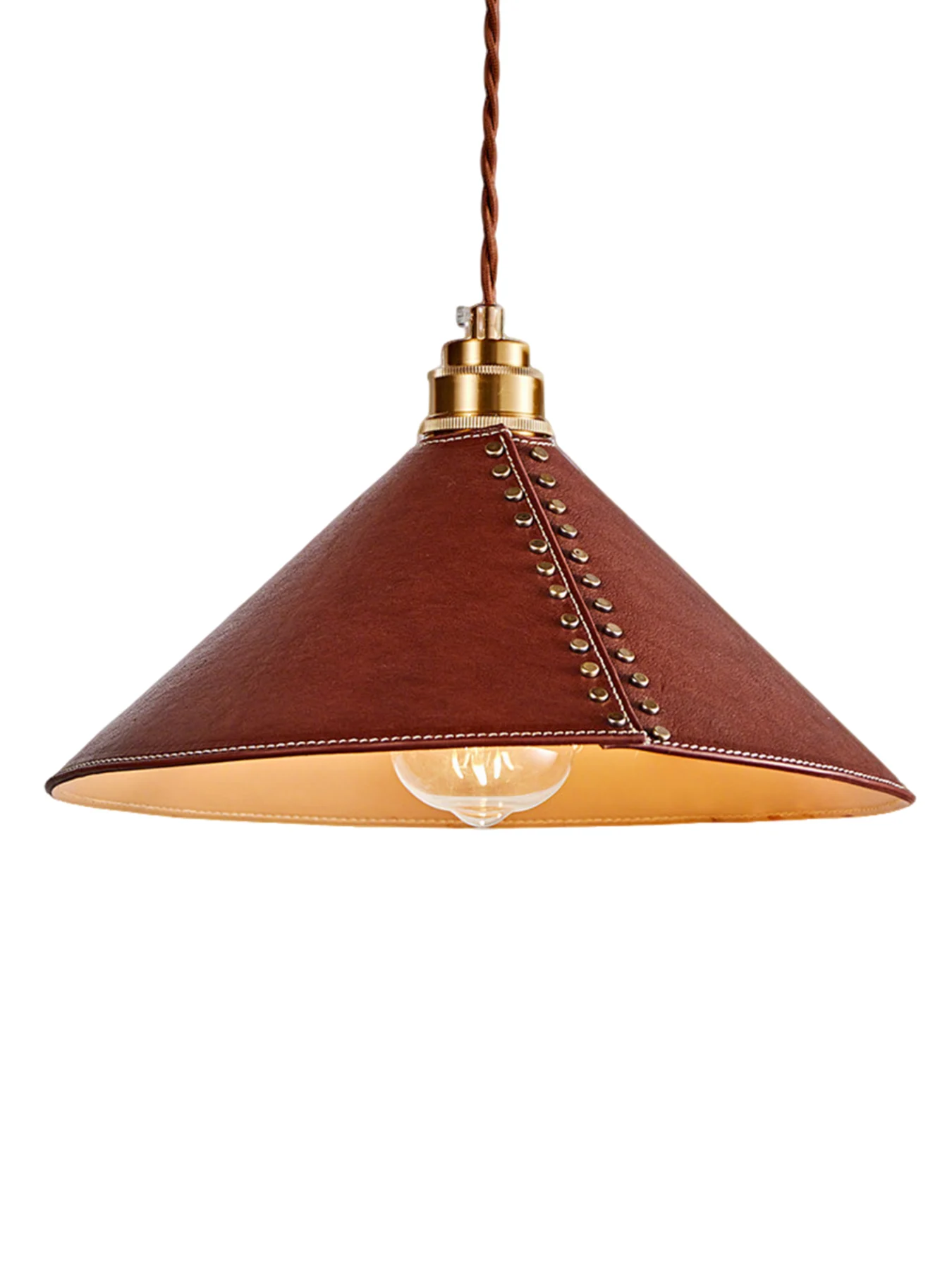
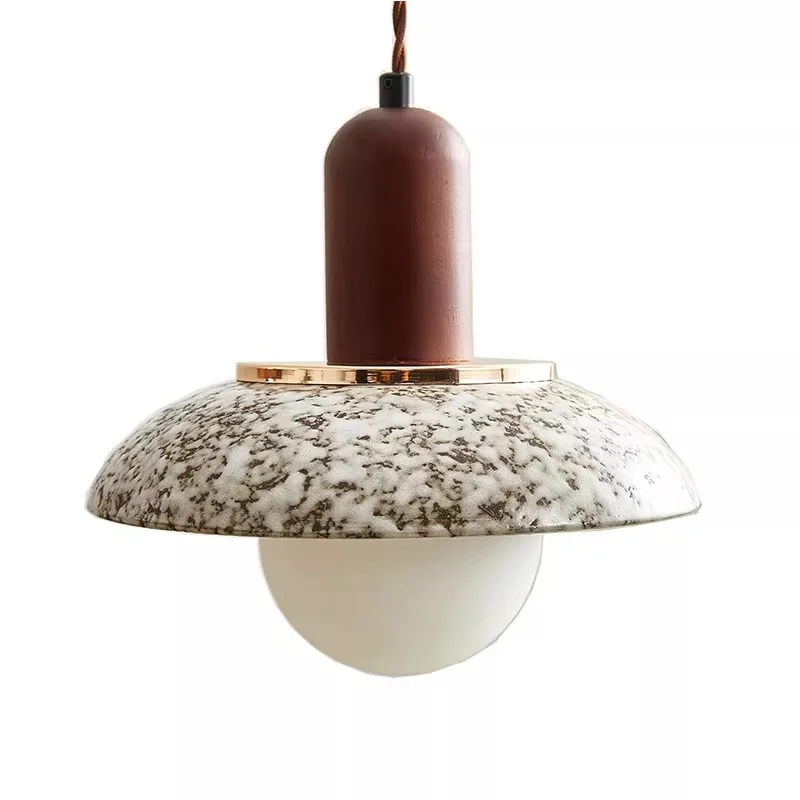
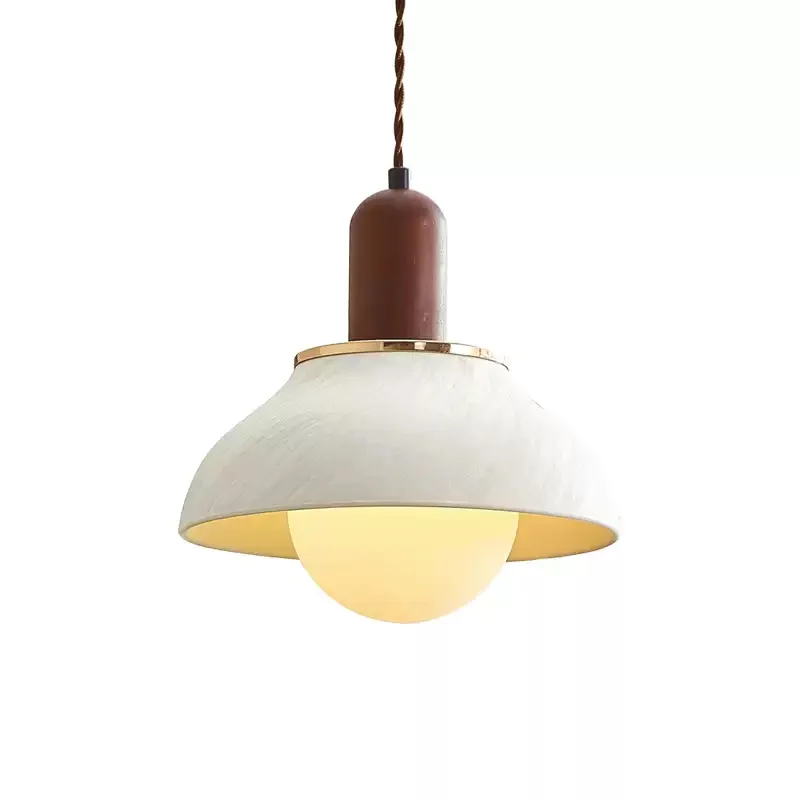
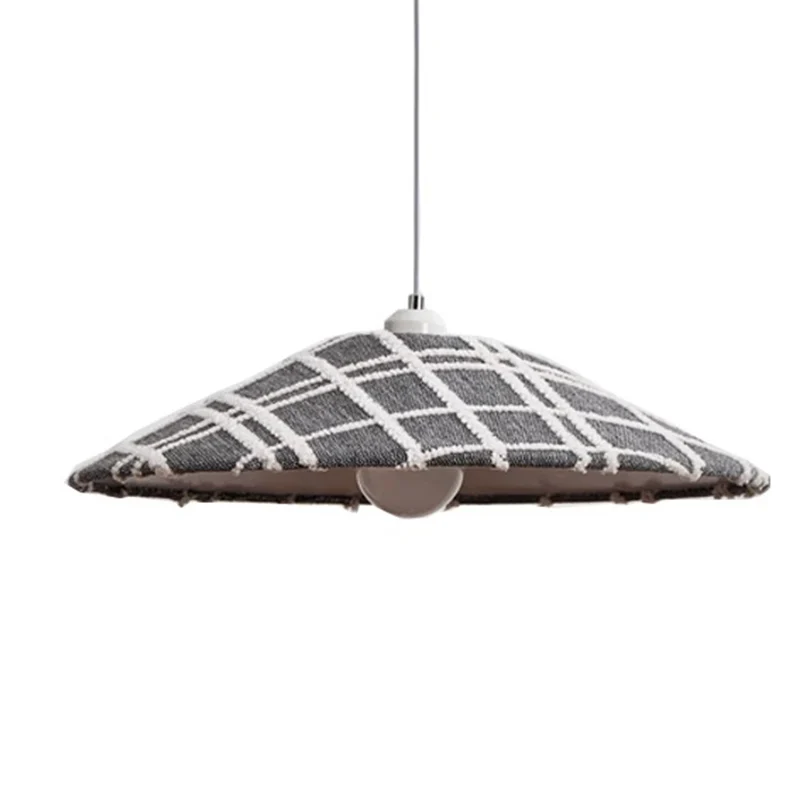
For style and room-application inspiration, see ceramic lighting finishes and design trends. This guide stays focused on variation, approval, batch consistency, and repeat orders.
When Is Visual Sorting Useful?
For a batch with visible ceramic variation, sorting may help group closely related tones and identify an outlier. If repeated fixtures will be installed side by side, grouping pieces with similar tone in the same area can support a coordinated result.
This is an installation and design strategy, not a way to hide defects. It only applies after every fixture is already inside the approved range.
What Buyers Should Send for a Custom Ceramic Glaze
- Product model and required quantity
- Reference image and a physical color sample if available
- Target color family
- Matte or gloss direction
- Smooth, textured, reactive, or more uniform direction—only where applicable
- Project application and lighting environment
- Whether fixtures will be installed together
- Repeat-order or replacement expectations
Pantone or RAL may be included as a communication reference, but not as a guarantee of the exact fired result. If a new finish affects scheduling, the separate custom lighting lead time guide explains the broader timing sequence.
Ceramic Glaze Approval Checklist
- Product model confirmed
- Ceramic body or material confirmed
- Target color direction confirmed
- Matte, gloss, and texture confirmed
- Physical sample reviewed where needed
- Acceptable variation discussed
- Approved sample and version recorded
- Bulk inspection reference defined
- Installation grouping considered
- Repeat-order reference retained
Common Ceramic Glaze Approval Mistakes
1. Approving color only from a supplier phone photo
A photograph can support discussion, but the camera, display, lighting, and white balance can shift the result. Use a physical reference when color decisions carry project risk.
2. Expecting reactive glaze pieces to be visually identical
Visible movement can be the design feature. Approve its range and direction instead of requiring a single frozen pattern.
3. Using “handmade” to excuse every difference
Handmade character does not cover wrong color, cracks, serious chips, incorrect dimensions, or the wrong configuration.
4. Approving one sample without discussing the production range
The sample may sit at the center, light end, or dark end of what production can create. Ask what the batch may reasonably include.
5. Specifying only “beige”
Color name alone does not define smooth or textured, matte or gloss, uniform or flowing. Record the whole finish direction.
6. Comparing glaze under completely different lighting
Different environments can change perception. Compare samples under relevant, reasonably consistent conditions.
7. Inspecting repeated fixtures only one at a time
A piece that looks acceptable alone may become an outlier in a row. Review the batch as a group.
8. Failing to retain the approved reference
Repeat-order matching becomes guesswork if the sample, code, images, dates, and revisions disappear.
9. Assuming an old replacement will be an exact match
Later production can vary. Plan the replacement approach and set realistic matching expectations early.
10. Changing the glaze direction after bulk production begins
A late change can affect completed pieces, materials, cost, and schedule. Record the revision and confirm its production impact first.
Frequently Asked Questions
Why do ceramic pendant lights have glaze color variation?
Ceramic surfaces and firing processes can produce natural differences in tone, glaze movement, and texture. The amount of variation depends on the glaze, surface, and production method.
Is ceramic glaze variation a defect?
Not automatically. Variation within the approved color and surface direction may be expected. Cracks, chips, a wrong finish, or obvious pieces outside the agreed range are different issues.
Can ceramic pendant lights be made exactly the same color?
Buyers can request a controlled color direction, but handmade and fired ceramic may still show variation. The required consistency should be discussed during sampling.
Can I use a Pantone color for custom ceramic glaze?
Pantone can communicate the target direction, but printed or screen color does not guarantee the exact appearance of a fired ceramic surface. A physical glaze sample is more useful for final approval.
How should I approve ceramic glaze for a hotel or restaurant project?
Confirm the target color, texture, and gloss; review a physical sample when appropriate; agree the acceptable variation range; and use that approved reference during bulk inspection.
Will a repeat order match the original ceramic batch exactly?
Not always. Later production may show small differences, so retain the approved finish reference and discuss repeat-order matching expectations with the manufacturer.
Approve the Glaze Before You Approve the Batch
Ceramic variation can be part of the design, but the acceptable range should be clear before repeated fixtures enter production. Send OBBAO the ceramic model, project reference, target color, matte or gloss direction, surface texture, quantity, installation application, and repeat-order requirement to review a practical ceramic glaze sample route.