
A custom pendant light can pass sample approval and still develop problems during bulk production. A cable may be cut to the wrong length, a ceramic glaze may move outside the approved range, a stone edge may chip, or a private-label carton may carry the wrong SKU. That is why decorative lighting quality control belongs before shipment release. A structured pre-shipment lighting inspection asks one practical question: did the completed order match the approved requirements?
This guide gives lighting brands, importers, wholesalers, designers, hotel and restaurant buyers, distributors, and procurement managers a buyer-focused method for checking finished goods, evidence, corrective action, and shipment approval.
Sample Approval and Pre-Shipment Inspection Are Different
Sample approval answers, “What should be produced?” Pre-shipment QC answers, “Did bulk production actually match it?” The first creates the target; the second verifies the output. Buyers still defining that target should use the custom lighting sample approval checklist. Teams translating an approved sample into production records can use the custom lighting bulk production checklist.
This page starts after the sample is approved and the goods are finished or nearly ready to pack. It does not evaluate whether the factory is generally capable, redesign the product, or repeat the packaging-development process.
Always Inspect Against an Approved Reference
“Does it look okay?” is not a usable inspection standard. Compare the order with the approved sample, final specification, drawing, purchase order, finish and color references, electrical requirements, packaging instructions, label artwork, and current revision number. Inspection without a reference becomes subjective.
If a physical sample is unavailable, use the approved product photographs, material reference, drawing, and written specification together. Photographs can help, but camera settings, screens, and lighting conditions can change how color and gloss appear.

Decorative Lighting Pre-Shipment QC Checklist
This lighting quality control checklist can support pendant light quality inspection, chandelier inspection, and other custom lighting quality control work. Unlike a lighting factory inspection, this decorative lighting inspection focuses on whether one finished order matches its approved requirements. Use the decorative lighting QC checklist below as a reference, then adapt it to the product and project.
| Inspection Area | What to Check | Reference |
|---|---|---|
| Quantity | Units by model, size, finish, cable, and electrical version | PO and model schedule |
| Model / SKU | Product, product label, and carton label agree | Approved SKU list |
| Dimensions | Installation- and appearance-critical measurements | Final drawing/specification |
| Material | Actual substrate, textile, stone, glass, or metal | Approved sample/material record |
| Shape | Profile, alignment, geometry, and repeated-unit consistency | Approved sample/drawing |
| Finish | Gloss, matte level, texture, glaze, paint, or plating | Approved finish reference |
| Color | Tone and approved range under comparable light | Sample/swatches |
| Surface | Cracks, chips, stains, scratches, dents, or deformation | Approved acceptance criteria |
| Cable | Length, color, type, condition, and version | Model specification |
| Canopy | Size, shape, finish, exits, plate, and screws | Drawing and approved sample |
| Lamp holder | Correct type, fit, alignment, and configuration | Electrical specification |
| LED / driver | Correct module, driver, and model mapping | Approved component list |
| Electrical function | Light-on operation and obvious abnormalities | Project requirement |
| Dimming | Approved dimming configuration and operation, if required | Electrical specification |
| Mounting parts | Plate, screws, nuts, washers, hooks, and connectors | Assembly list |
| Accessories | Correct set, quantity, labels, and separation | Packing/accessory list |
| Labels | Model, language, placement, barcode, and warnings as agreed | Approved label file |
| Private-label artwork | Logo, version, date, position, and SKU | Final approved artwork |
| Packaging | Protection, movement control, carton, and repeatability | Approved packing method |
| Carton marks | Model, quantity, carton number, project/room data if required | Shipping mark file |
| Spare parts | Agreed models, quantities, labels, and packing | PO/spare-parts list |
Verify Quantity by Model and Configuration
Do not stop at the total carton count. Verify quantity by model, size, finish, cable length, electrical version, and project room or area label where used. A 400 mm pendant with a 1.5 m cable and the same pendant with a 3 m cable are different configurations, even if the model name is identical.
This matters in mixed hotel, villa, restaurant, and retail orders, where one incorrect configuration can reach the wrong installation area.
Check Model Codes Before Appearance
Confirm the model number, PO line, quantity, product label, and carton label before studying finish details. A fixture may be correct while its SKU or shipping mark is wrong. On a mixed order, that mismatch can create warehouse and site-installation confusion.
Measure the Critical Dimensions
Measure dimensions that affect installation, appearance, repetition, or project fit: shade diameter, fixture height, cable length, total hanging length, canopy size, mounting distance, and wall projection where relevant. The inspection should compare measurements with the agreed specification and the applicable production tolerance for that material and fixture; there is no responsible universal tolerance for every decorative light.
Do Not Inspect Handmade Materials Like Injection-Molded Plastic
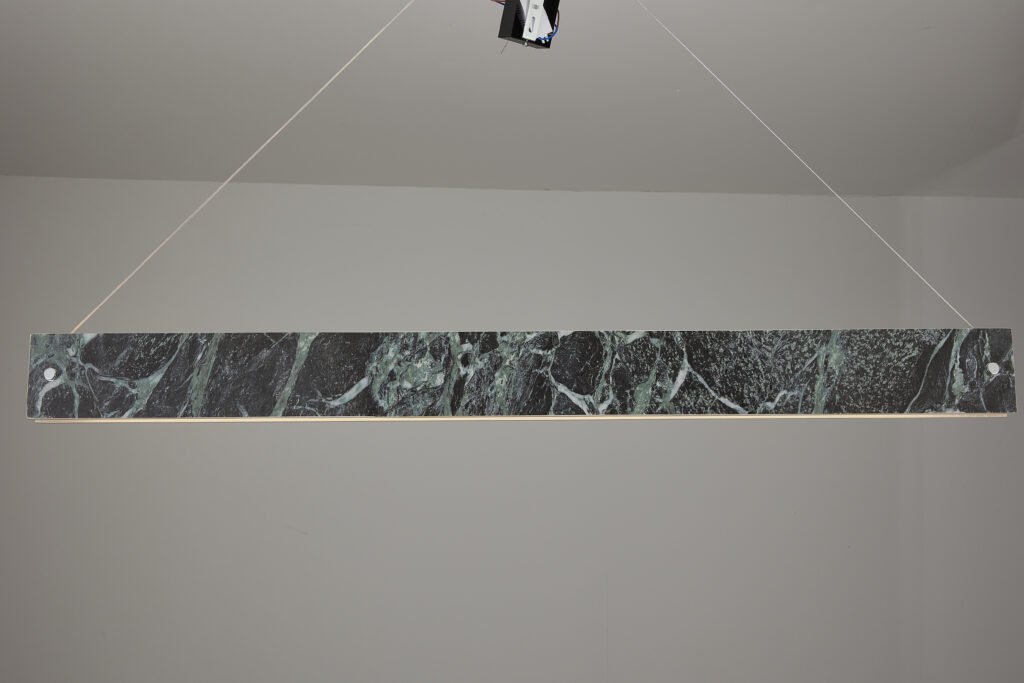
Ceramic, handmade fiber, wabi-sabi surfaces, marble, and travertine do not produce perfectly identical visual copies. That does not mean anything is acceptable. The approved reference should show a range for tone, texture, glaze movement, pores, or veining, while controlling dimensions, assembly, stability, and actual damage.
Confirm the Actual Material
Photographs alone cannot prove material identity. Confirm that the quoted, sampled, and produced materials agree: natural marble versus marble-effect material, natural travertine versus stone-look material, or the specified textile versus a visually similar substitute.
Ceramic Pendant Light Quality Checks
For a ceramic pendant light inspection, compare overall shape, dimensions, opening, rim, glaze, color range, texture, visible surface, hardware connection, cracks, and chips. Separate handmade variation from defects that affect appearance, assembly, or durability. Use the approved range rather than inventing a generic numerical defect limit.
Marble and Travertine Lighting Quality Checks
Confirm the stone type, tone, veining or pores, finish, edges, drilling, mounting interface, dimensions, and physical stability. Natural veining is not automatically a defect; a crack, broken edge, incorrect drilling, or incompatible mounting interface is a different issue.
Silk and Fiber Pendant Light Quality Checks
Check silhouette, frame, surface distribution, tone, deformation, stains, rubbing marks, shape consistency, light transmission, and mounting point. Confirm the actual material description for the specific product rather than assuming every “silk” fixture uses the same composition.
Fabric Pendant Light Quality Checks
Review frame geometry, fabric color and weave, seams, tension, wrinkles, stains, diffuser, inner lining where applicable, and repeated-unit shape. In repeated hotel rooms, small differences in shade size, color, or cable length become easier to see when several fixtures are placed together.
Metal Finish and Frame Inspection
Inspect scratches, dents, bending, visible weld appearance, paint or plating consistency, surface damage, hardware, and alignment against the agreed specification. Visual lighting QC should not be presented as structural engineering certification.
Glass Shade Inspection
Check for cracks, chips, edge damage, visible scratches, fitting, alignment, and the shade-to-hardware interface. Compare with the product-specific reference; do not apply an invented universal glass tolerance.
Compare Finish Against the Approved Reference
Use the approved sample or swatch under similar lighting conditions. Compare color, gloss or matte level, texture, plating, ceramic glaze, fabric tone, and stone range. If only photos exist, combine them with a material reference and written specification, and record the limitations of screen-based approval.
Inspect the Batch Together, Not Only One Piece
Five pieces can each look acceptable on their own yet appear inconsistent in a row or cluster. Place multiple units together to compare color, size, cable, canopy, and shape, especially for hotel rooms, restaurant rows, pendant clusters, and a retail collection.

Check Cable Length and Cable Color
Check more than cable presence. Compare length, color, type, and condition with the specification and look for mixed lengths or damage. Cable inconsistency becomes immediately visible in multi-pendant clusters, restaurant rows, and repeated hotel rooms.
Inspect the Canopy and Mounting Parts
Verify canopy size, shape, finish, color, cable exits, mounting plate, screws, and visible condition. For a large cluster, compare cable-exit positions with the approved layout. This is an assembly and appearance check, not a structural engineering judgment.
Electrical Checks Before Shipment
Depending on the product and project, confirm voltage configuration, lamp holder or LED module, driver, wiring, switch or plug where applicable, dimming configuration, grounding configuration where applicable, and basic functional operation. The correct process depends on the product and agreed requirements; one generic test sequence does not fit every fixture.
Turn the Fixture On
Confirm that the light turns on, without obvious flicker, and that the source position, diffuser, visible bulb or LED, shadows, and wiring connection match the approved product. Demonstrate dimming only when it is part of the approved specification. Do not assume an arbitrary aging duration that was never agreed.
Documentation and Product Inspection Are Not the Same Thing
A physical lighting quality inspection does not prove regulatory compliance. If the project requires CE, RoHS, or buyer-specific documentation, confirm the correct documents separately and check that they apply to the relevant product configuration. Do not treat one visual inspection as a compliance certificate.
Assemble One Unit as the Installer Would
For a knock-down fixture, use an agreed assembly check to confirm parts fit, screws and threads engage, shades align, the canopy and suspension work as intended, and instructions are understandable. A large fixture may not always allow full assembly before shipment; in that case, define the practical assembly check in advance.
Small Missing Parts Can Stop an Entire Installation
Check screws, mounting plates, nuts, washers, connectors, cable components, hooks, and any agreed spare hardware as an independent QC line. A high-value fixture can remain unusable because one inexpensive mounting part is missing.
Check Branding Before It Is Packed
For private-label lighting, check the logo, product label, model code, barcode, manual, agreed warning label, carton print, and sticker. Confirm the correct version, language, position, and SKU without inventing market-specific labeling rules.
Make Sure Production Uses the Final Artwork
Mark the approved artwork with a revision and date. If the brand approved V3, production should not use V2 because it was the last image visible in an old chat thread. Treat artwork approval as a controlled record.
Preparing a custom lighting order for shipment?
Confirm the approved specification, quantity, finish, electrical configuration, accessories, and packaging before the shipment is released.
Inspect the Packaging, Not Only the Product
Confirm inner protection, movement control, edge and surface protection, accessory separation, carton condition, labels, and carton number. The fragile decorative lighting packaging guide explains how to design protection; pre-shipment inspection asks whether production followed the approved method.
Packing One Correct Unit Is Not Enough
Check whether the packing method is repeatable across the batch. The first cartons may be correct while later cartons have shifted foam, omitted accessories, or missing labels. Select the inspection scope based on quantity, risk, and the agreed plan rather than inventing a universal sample percentage.

Verify Carton Labels and Shipping Marks
Check model, quantity, carton number, project or room code if required, agreed handling marks, and private-label information. Hotel and villa orders may need room or area labels so cartons can reach the correct installation zone.
Confirm Spare and Replacement Parts
If the order includes spare shades, hardware, canopies, drivers, or lamp holders, verify quantity, model, label, and packing. The correct amount comes from the agreement; this checklist does not impose a fixed spare-parts percentage.
Record Carton Quantity, Size, and Weight
Before release, record carton count, dimensions, gross weight, and CBM where applicable. These figures support freight booking, packing-list accuracy, and warehouse planning, but supplier data should not be presented as a universal standard.
What Photos Should a Buyer Request?
Match the evidence to project risk. Useful records may include the full product, finish close-up, measurement, light-on test, accessories, label, packing sequence, closed carton, carton marks, and several units together. The goal is traceable evidence, not an arbitrary photo count.
When Is Video Useful?
Video can demonstrate a light-on test, dimming, assembly, cable adjustment, rotating product view, or cluster layout. It does not replace dimensional records, documents, physical inspection, or independent inspection when those are required.
Can Buyers Approve Shipment From Photos and Video?
Sometimes. Remote approval can suit a repeat order, familiar standard model, or lower-risk quantity. A new supplier, new custom design, high-value project, large quantity, critical installation, or unfamiliar material may justify more detailed or third-party inspection.
When Does Third-Party Inspection Make Sense?
Independent inspection may suit a first order, complex custom order, large purchase, formal retailer procedure, or a buyer who cannot visit. It is a risk-control option, not a requirement for every order, and this guide does not recommend a provider or invent an inspection fee.
What About AQL?
Some buyers use AQL-based sampling plans for pre-shipment inspection, particularly in formal retail or import programs. The inspection level and acceptance criteria should be agreed between the buyer, supplier, and inspection provider before inspection. OBBAO is not presented here as having a public default AQL level.
Does Every Fixture Need to Be Inspected?
The answer depends on quantity, complexity, defect risk, buyer requirements, and process controls. Some critical functions may justify broader checking while other characteristics use sampling. Document the chosen plan before the inspector arrives.
Major Problem or Cosmetic Variation?
Likely serious issue
A non-functioning fixture, wrong model, installation-critical size error, cracked shade, missing electrical component, wrong voltage configuration, or missing mounting parts can prevent use or installation and normally requires correction before release.
Requires comparison with the approved tolerance
Handmade ceramic texture, natural stone veining, minor hand-finished variation, and fiber surface variation need comparison with the approved range. Natural variation should not be automatically accepted or automatically called a defect.
Pass, Correct, Reinspect, or Hold Shipment
Pass: critical requirements match the approved references and the recorded evidence supports release.
Correct: the factory can fix identified issues before shipping; keep updated evidence.
Reinspect: the correction is broad, affects a batch, or changes the earlier inspection conclusion.
Hold shipment: significant unresolved issues remain. This is an operational framework, not a legal or contractual judgment.
International shipping makes repair, replacement freight, installer return visits, project delay, and complaints more complex. When a problem can be corrected at the factory, avoid turning it into a destination-side problem.
Common Pre-Shipment Inspection Mistakes
1. Inspecting without the final specification
The inspector cannot verify a moving target. Issue one approved revision that connects the sample, drawing, PO, artwork, and packing instructions.
2. Checking only one finished piece
One good fixture does not demonstrate batch consistency. Compare multiple units together and review the inspection scope against order risk.
3. Looking at appearance but not electrical function
A clean finish does not show whether the correct electrical configuration was fitted. Include appropriate functional checking based on the approved product.
4. Forgetting cable length
Cable differences can disrupt hanging height and cluster geometry. Verify length and color by configuration, not only by model name.
5. Forgetting mounting hardware
Missing plates, screws, hooks, or connectors can stop installation. Count and pack accessories as a separate inspection item.
6. Approving color from one phone photo
Camera exposure and screens can shift color. Use a physical sample or swatch where possible and record photo limitations.
7. Checking the product but ignoring labels and cartons
A correct product in the wrong carton can reach the wrong customer or room. Verify product, label, artwork, and shipping mark as one chain.
8. Shipping before corrective evidence is confirmed
A promise to fix is not the same as a verified correction. Review updated photos, measurements, records, or reinspection results before release.
Real Example: Checking a Custom Decorative Lighting Order Before Shipment
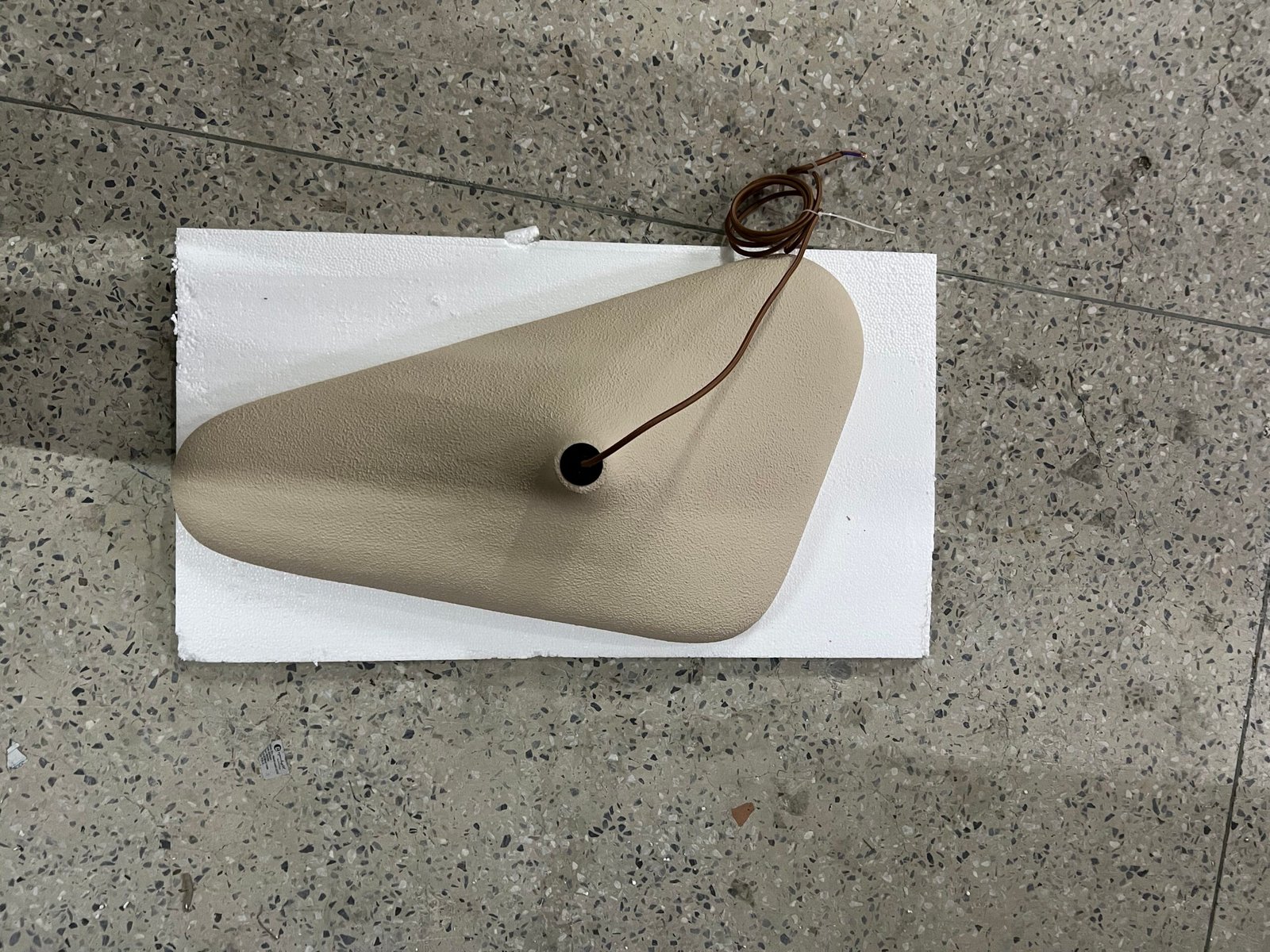
OBBAO’s published sample-to-bulk production record contains real pendant product photos, a surface and cable-entry view, and multiple cartons prepared for packing. These evidence types answer different questions: product images support appearance comparison, the pre-packing view supports condition and construction review, and the carton image supports packing consistency.
The record does not prove a zero-defect result or replace a complete inspection report. It shows the useful evidence chain buyers should request: approved reference, finished item, detail inspection, and packing record.
Pre-Shipment Lighting Inspection Checklist
- [ ] Quantity
- [ ] Model
- [ ] Dimensions
- [ ] Material
- [ ] Finish
- [ ] Color
- [ ] Cable
- [ ] Canopy
- [ ] Electrical
- [ ] Light-on test
- [ ] Accessories
- [ ] Labels
- [ ] Packaging
- [ ] Carton marks
- [ ] Spare parts
- [ ] Inspection evidence
Plan the timing of final QC with the custom lighting lead time guide. If the broader question is whether a potential supplier has the right capability, use the decorative lighting manufacturer checklist instead.
FAQ
What should be checked during a decorative lighting pre-shipment inspection?
Quantity, model, dimensions, material, finish, electrical function, cables, canopies, accessories, labels, and packaging should be compared with the approved requirements.
Is sample approval enough before shipping a bulk lighting order?
No. Sample approval defines the target product; bulk lighting inspection checks whether the completed order follows that target.
Should every pendant light be inspected?
The inspection approach depends on quantity, product risk, customization, and buyer requirements. Some projects use broader checks for critical functions and sampling for other characteristics.
What should be checked on ceramic or stone pendant lights?
Check dimensions, surface condition, cracks or chips, finish, hardware connections, and whether natural or handmade variation remains within the approved range.
Can lighting orders be inspected remotely?
Photos and video can support remote inspection, particularly for repeat or lower-risk orders. Complex or high-value orders may require more detailed or independent inspection.
What happens if defects are found before shipment?
Problems may be corrected, reinspected, or held from shipment depending on severity and agreed requirements. Corrective evidence should be reviewed before shipment release.
Review the Order Before It Leaves the Factory
For custom decorative lighting orders, send OBBAO the approved specification, model list, quantity, electrical requirements, packaging details, and labeling requirements before final inspection. This helps the final inspection focus on the details that matter most to the project.