
A decorative pendant may be easy to replace during production but difficult to reproduce three years after a hotel opens. The original fabric may no longer be available, a ceramic glaze can vary between batches, and a driver model may change. Even when a fixture is still available, identifying the exact version becomes difficult when the project team did not keep model, finish, and component records.
Hotel lighting replacement parts and other project lighting spare parts should therefore be planned before the order ships—not after the first shade is damaged or a component needs attention. The purpose is not to buy large numbers of extra lamps. It is to identify what is replaceable, what may be difficult to reproduce, and what records will make a future reorder possible.
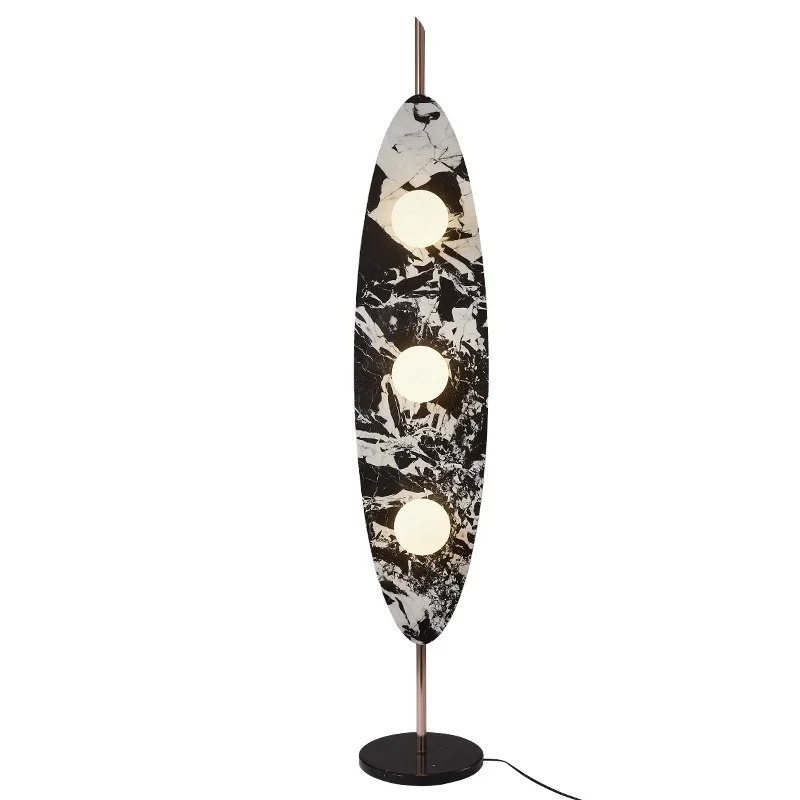
Replacement Planning Starts Before Shipment
A practical replacement plan asks what may be damaged, what is easy to reorder, what may be difficult to reproduce, which parts are project-specific, and how a future maintenance team will identify the correct version.
This creates a project system: specification → replacement risk → spare-parts list → labeling → project handover → future reorder. It is not a repair tutorial or an after-sales complaint process.
A Spare Fixture Is Not Always the Same as a Spare Part
A complete spare fixture may be sensible for a highly customized product, a critical public-area installation, or a design that is difficult to disassemble. However, repeated installations often need component-level planning. A removable shade, diffuser, glass, driver, canopy, cable, mounting plate, or hardware set may be more practical than storing a complete lamp.
The fixture construction must decide the approach. Not every shade is removable or every driver accessible. Confirm the actual structure instead of assuming that any visible part can be ordered separately.
Lighting Replacement Parts Planning Matrix
| Component | Why It May Need Replacement | Future Reorder Risk | What to Record |
|---|---|---|---|
| Shade | Breakage, staining, deformation | Material or finish batch may change | Model, size, material, finish |
| Driver | Electrical replacement | Approved component may change over time | Model and input/output specification |
| Canopy | Damage or loss during maintenance | Custom size, finish, or hole pattern | Dimensions, finish, drawing |
| Cable | Damage or project modification | Color, length, and type may differ | Length, color, material, type |
| Mounting hardware | Loss during installation or maintenance | Small project-specific parts are easy to misidentify | Fixture code and hardware-set reference |
| Diffuser | Breakage, yellowing, or damage | Shape and fitting may be model-specific | Dimensions, material, fitting method |
| Glass | Breakage | Opening, neck, shape, or finish may vary | Model, dimensions, color, fitting |
| Ceramic shade | Impact damage | Glaze can vary between production batches | Approved sample, photos, glaze reference |
| Fabric shade | Staining or deformation | Fabric may be discontinued | Fabric reference, frame size, construction |
Step 1: Identify Which Parts Are Replaceable
Review each approved fixture with the supplier. Can the shade be removed? Is the driver accessible to qualified personnel? Is the LED module replaceable? Can the canopy, glass, diffuser, and mounting parts be supplied separately? Are they standard or project-specific?
Replacement shades are often more useful than complete spare fixtures in repeated hotel rooms, restaurant rows, and villa bedrooms. Ceramic can chip, glass can break, and fabric or silk can stain or deform. If the shade is designed for separate replacement, storing a suitable spare shade can reduce waste. If it is structurally integrated, a different plan is needed.
Fabric, Silk, and Fiber Shades
For fabric shades, record diameter, height, frame shape, fabric reference, color, diffuser, seam or construction, and supplier model. The same fabric may be unavailable years later, so repeated guest-room fixtures need both a material record and a replacement strategy. The existing guide to fabric pendant lights for hotel guest rooms explains the broader sourcing context.
Silk and fiber fixtures may be handmade and frame-specific. Save the model, dimensions, material description, tone, frame details, approved photos, and sample reference. A future match may become more difficult if materials or production methods change, but this should not be presented as a certainty.
Ceramic Shades Need a Color-Range Strategy
Ceramic replacement risk is not limited to discontinued models. A newly fired glaze may not look completely identical to an older production batch. Keep the glaze reference, finish code, clear product photos, and an approved physical sample where practical. If matching matters across a restaurant row or hotel room type, discuss spare shades during the first production run rather than waiting for a later batch.
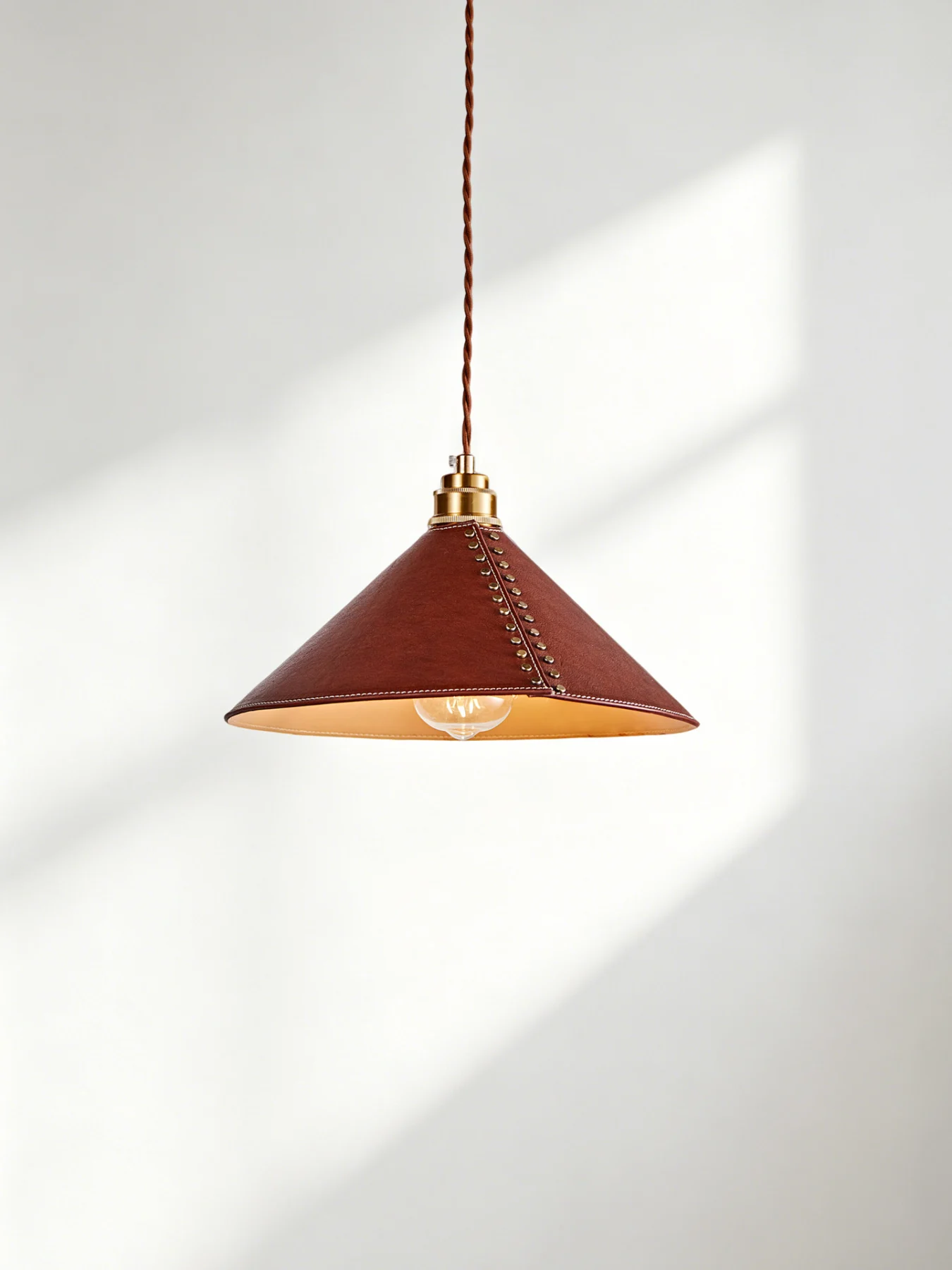
Natural Stone Replacements Will Not Have Identical Veining
A replacement marble or travertine component can be matched by stone type, general tone, finish, size, and structure. Natural veining will not be a visual clone. That is material variation, not automatically a defect. Buyers should define whether a compatible replacement is acceptable and retain the approved stone and finish reference.
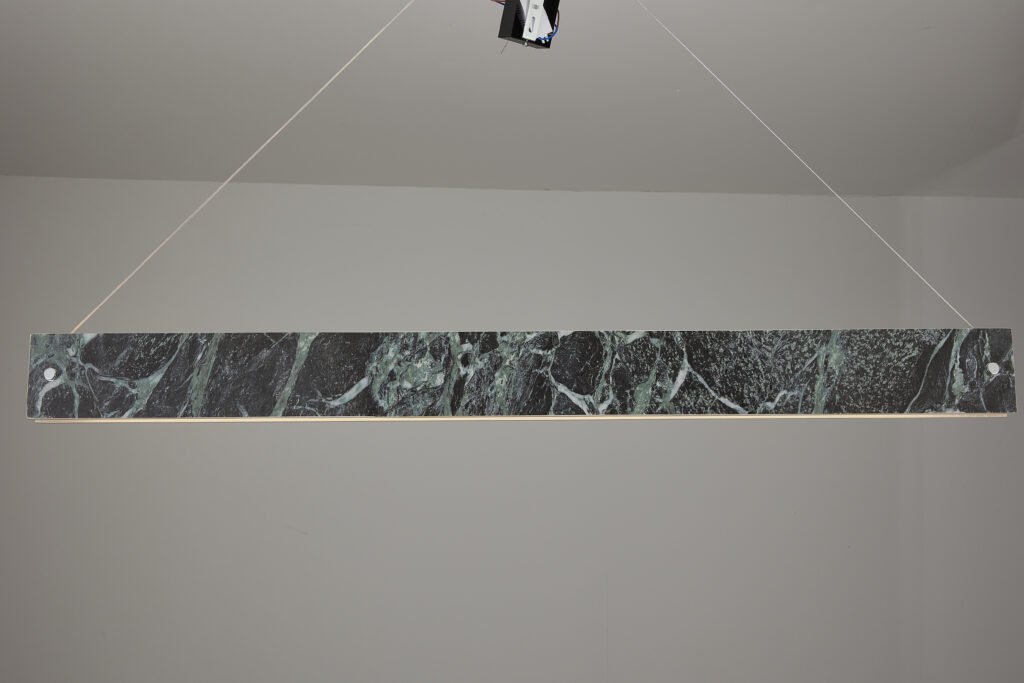
Glass Components Need Exact Shape Records
Similar glass shades may use different openings or fittings. Record diameter, height, opening size, neck, fitting method, finish, color, and supplier model. A photo alone cannot confirm compatibility.
Drivers, LED Modules, and Lamp Holders
For a replacement LED driver, retain the driver model, input and output specification, dimming type where applicable, fixture model, and the supplier’s approved-equivalent policy if one has been agreed. Integrated LED fixtures need a different plan from fixtures with replaceable bulbs: confirm module accessibility, driver, connector, module identification, and the approved replacement route. This does not mean integrated LED is always harder to maintain; it means its components must be identified differently.
Also record the lamp-holder type, visible finish, mounting method, and market configuration. Electrical replacement and installation should be handled by qualified personnel according to the project and local requirements.
Custom Canopies and Small Mounting Hardware
An oversized canopy, multi-hole cluster canopy, special color, unusual shape, or project-specific cable exit may be harder to replace than expected. Save the drawing, dimensions, finish, hole pattern, and fixture code. Do the same for mounting plates, screws, nuts, hooks, decorative caps, and connectors. Their unit value may be low, but a missing part can stop a fixture from being reinstalled.
Step 2: Separate Standard Parts From Project-Specific Parts
A common bulb, screw, or lamp holder may be easier to source later, although compatibility still needs confirmation. Custom shades, special glass, canopies, frames, and mounting plates deserve more attention because replacement depends on a defined model, material, finish, or drawing.
Before shipment, identify which shades, electrical components, canopies, or mounting parts may be difficult to replace later and record them against the project fixture codes.
Step 3: Use Fixture Codes for Replacement Parts
Every replacement component should trace back to the original fixture in the lighting BOQ or fixture schedule. A project code and a supplier model should be stored together. “The large beige pendant” is difficult to identify; “Project PL-03 / Supplier OBS062” is much clearer.
Fixture-to-Spare-Part Mapping
Illustrative coding example only. It is not an industry coding standard.
Step 4: Add Replacement Parts to the Project Record
The handover record should include the fixture code, supplier model, product photo, material, finish, dimensions, electrical specification, component list, replacement-part codes, supplier contact, and approved revision. Keep revision control visible so parts from different fixture versions are not mixed.
Lighting Replacement Parts Register
| Fixture Code | Supplier Model | Component | Part Reference | Qty Stored | Location | Revision | Notes |
|---|---|---|---|---|---|---|---|
| PL-01 | Supplier model | Shade | PL-01-SH | To confirm | Project store | Approved revision | Material and finish reference retained |
| PL-01 | Supplier model | Hardware set | PL-01-HW | To confirm | Project store | Approved revision | Packed and labeled as one set |
The entries above are examples only; they do not contain customer data.
Step 5: Decide What Should Ship With the Original Order
There is no universal spare-parts percentage. Many ceramic guest-room pendants have a different risk profile from one lobby chandelier, and each material or component creates different storage and replacement needs.
Agree the quantity with the buyer and supplier after considering project quantity, fragility, future availability, custom materials, expected replacement lead time, installation risk, critical areas, storage capacity, and budget. Do not treat 2%, 5%, or any other figure as an industry rule.
When Might a Complete Spare Fixture Make Sense?
A complete spare may be considered for a highly customized fixture, a critical public-area installation, a fixture that is difficult to disassemble, a design whose later reproduction is uncertain, or a location where downtime is difficult. Balance that possibility against storage, cost, packaging, and finish aging. It is a project decision, not a default requirement.
Step 6: Label and Store Every Spare Part
A carton marked only “spare parts” is not a useful project record. Label the project, fixture code, part name, quantity, model, and room or zone where relevant. For example: “Hotel A / PL-04 / Ceramic Shade / Qty X.”
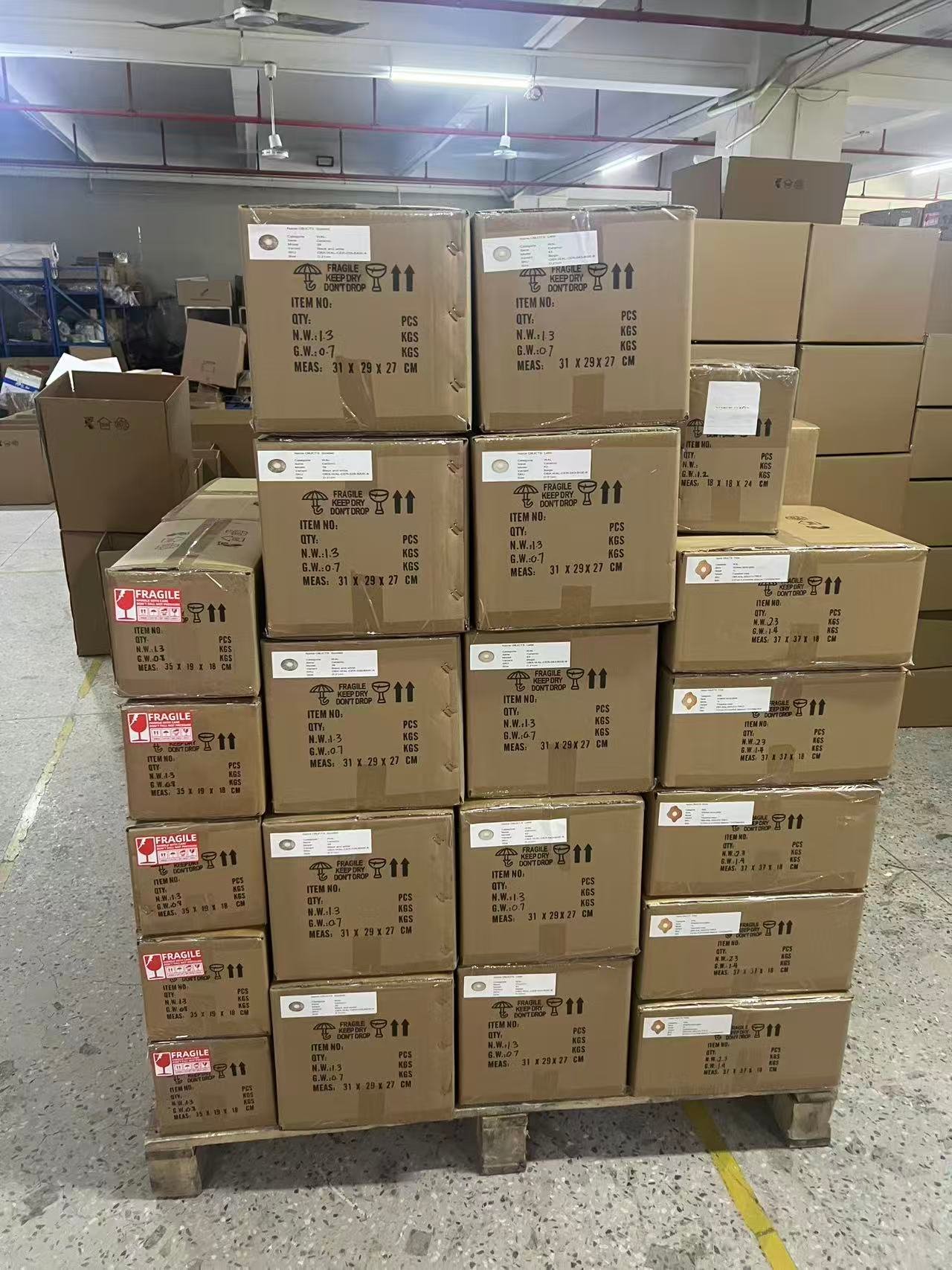
Storage must suit the component. Protect fabric and silk from dust, moisture, and compression; ceramic and glass from impact; and finished metal from scratches and unsuitable humidity. Store electrical components according to the manufacturer’s instructions and in an appropriate environment. Fragile replacement components also need protection that supports long-term storage and relocation; see the guide to packaging fragile decorative lighting.
Step 7: Plan for Finish and Material Changes Over Time
Fabric can be discontinued, paint formulations may change, metal plating can vary by batch, ceramic glaze can fire differently, natural stone varies, and an LED driver model may be updated. Save the actual approved reference, not only a product name.
Photos help identify appearance, but they do not replace dimensions, material codes, electrical specifications, drawings, or a physical control sample where one is justified. For important projects, an approved finish sample, material swatch, or shade sample can provide a stronger future reference without requiring every team to store a complete fixture.
Step 8: Think About Replacement Lead Time
A component that must be manufactured again may require material sourcing, production, finish matching, packing, and international shipping. If a critical part is not kept on site, the facility team should understand that future lead time may change.
Keeping spares locally can support a faster response but requires space and inventory control. Reordering from the manufacturer reduces local stock but introduces future material, model, and lead-time uncertainty. The right balance depends on the project, the criticality of the location, and the component.
Replacement Planning by Project Area
Hotel Guest Rooms
Repeated rooms have many identical fixtures, frequent housekeeping activity, guest damage exposure, and a strong need for visual consistency. Depending on the fixture, the plan may prioritize shades, diffusers, electrical components, mounting hardware, and custom cables or canopies. Broader hotel lighting project planning should still cover sourcing, samples, electrical requirements, packaging, and delivery.
Lobby Statement Fixtures
A lobby may contain only one large cluster, but its replacement complexity can be high. If one pendant element is damaged, the record should identify the individual model, position, cable length, finish, and canopy layout. A component map is more useful than a file named only “Lobby chandelier.”
Restaurants, Villas, Retail, and Showrooms
Restaurant pendants often sit in repeated rows, so a replacement shade must coordinate with neighboring fixtures. Villas may use fewer units but more custom drops, finishes, and canopies, making small-quantity reproduction difficult. Retail brands repeating a fixture across stores benefit from shared SKU, finish, electrical, mounting, and parts mapping.
Two Illustrative Examples
Repeated Guest-Room Pendant
Illustrative example—not an OBBAO customer project. Start with the approved pendant, then identify whether the shade, canopy, driver where applicable, and mounting hardware can be supplied separately. Ask which parts are standard, which are custom, what must be recorded, and which components may reasonably be stored. Decide quantities only after the actual fixture and project risk are reviewed.
Custom Lobby Cluster
For a group of individual pendant elements, record each element’s model, location, cable length, finish, and connection to the canopy layout. If one element is damaged years later, these details provide a reproducible component definition instead of relying on one overall chandelier photo.
Step 9: Include Replacement Parts in the Handover Package
Recommended handover information includes the fixture schedule, supplier-model mapping, replacement-parts register, electrical references, finish and material references, installation instructions, and spare-parts location. Formal O&M requirements may be set by the consultant, contractor, local regulation, or client standard; this article covers only lighting replacement planning.
Step 10: Confirm Availability Before the Final Order
Ask the supplier which parts can be ordered separately, which are custom, which materials may vary by batch, whether approved electrical equivalents are possible, what information a future reorder requires, and whether project drawings or specifications can be referenced later. If long-term availability is critical, agree the requirement commercially before the order rather than assume it.
A supplier’s replacement-support capability can also be reviewed within a broader decorative lighting manufacturer checklist. Buyers should still retain their own project records instead of relying on any supplier to remember a project indefinitely.
Step 11: Check Spare Parts Before Shipment
Once the plan is agreed, verify the spare quantity, model, label, and packing during final inspection. The decorative lighting quality control checklist covers that downstream verification. Separately, the quotation should show whether spares are included, optional, or priced as additional items; use the decorative lighting quotation comparison guide for that commercial boundary.
Replacement Planning Workflow
Lighting Replacement Parts Checklist Before Shipment
- ☐ Final fixture code confirmed
- ☐ Supplier model recorded
- ☐ Replaceable parts identified
- ☐ Shade specification recorded
- ☐ Driver or LED reference recorded where applicable
- ☐ Canopy specification recorded
- ☐ Mounting hardware identified
- ☐ Finish and material reference saved
- ☐ Spare quantity agreed
- ☐ Part labels prepared
- ☐ Packing checked
- ☐ Storage location planned
- ☐ Handover record prepared
- ☐ Future reorder contact and reference saved
Common Replacement-Planning Mistakes
- Ordering spare fixtures without identifying likely component needs. This can use budget and storage space without solving the most probable replacement problem.
- Assuming the same fabric will always be available. Record the approved fabric and decide whether an initial spare shade strategy is appropriate.
- Expecting a ceramic glaze to match perfectly years later. Save references and discuss an acceptable variation range.
- Saving only product photos. Images cannot confirm dimensions, electrical data, openings, or fittings.
- Keeping unlabelled spare parts. A component without its fixture code and revision may be unusable when it is needed.
- Forgetting canopies and mounting hardware. Small, custom pieces can prevent reinstallation.
- Ignoring drivers or integrated LED components. Their approved technical identification belongs in the project record.
- Mixing parts from different revisions. Keep approved revisions visible in the register and on labels.
- Skipping inspection before shipment. The replacement plan is incomplete until agreed quantities, models, labels, and packing are checked.
- Assuming the supplier will remember the project indefinitely. A buyer-owned handover record creates continuity even when staff, systems, and products change.
FAQ
What lighting replacement parts should hotels keep?
There is no universal list. Depending on the fixture, a project may consider spare shades, drivers, lamp holders, canopies, mounting hardware, diffusers, or complete spare fixtures.
How many spare pendant light shades should a hotel order?
There is no universal percentage. The quantity depends on project size, material fragility, future availability, replacement lead time, storage capacity, and the actual fixture construction.
Can ceramic pendant shades be matched exactly years later?
Not always. Handmade ceramic and glaze batches can naturally vary, so buyers should keep approved finish references and discuss future matching expectations before the original order.
Should integrated LED fixtures have spare drivers?
Depending on the fixture design and project requirements, the driver or LED module may need a replacement plan. Record the approved electrical specification and confirm whether the component can be replaced separately.
Is it better to keep complete spare fixtures or replacement parts?
It depends on the fixture. Replaceable components may be more practical for repeated installations, while a highly customized or difficult-to-disassemble fixture may justify a complete spare in some projects.
What information is needed to reorder a lighting part later?
Keep the fixture code, supplier model, component reference, dimensions, material, finish, electrical specification, approved revision, and clear photos where appropriate.
Plan Replacement Parts Before the Project Opens
For repeated guest-room lighting, custom lobby fixtures, restaurant pendants, and other project lighting, send OBBAO the fixture list, supplier models, quantities, materials, electrical requirements, project areas, and custom finishes. The discussion can then focus on which components are separately replaceable and what information should be retained for future reorders.