
Ceramic pendant lights are a strong choice for restaurants that need atmosphere, handmade texture, and a more memorable interior identity. Compared with standard metal or glass fixtures, ceramic lighting can make a restaurant feel warmer, more crafted, and more connected to natural materials.
For restaurant owners, interior designers, hotel F&B teams, lighting brands, and project buyers, sourcing ceramic pendant lights is not only about choosing a beautiful shape. Buyers also need to confirm glaze color, shade size, lighting effect, electrical standard, MOQ, sample approval, packaging, and delivery schedule.
This guide explains how to source custom ceramic pendant lights for restaurants and what to confirm before placing an order with a decorative lighting manufacturer.
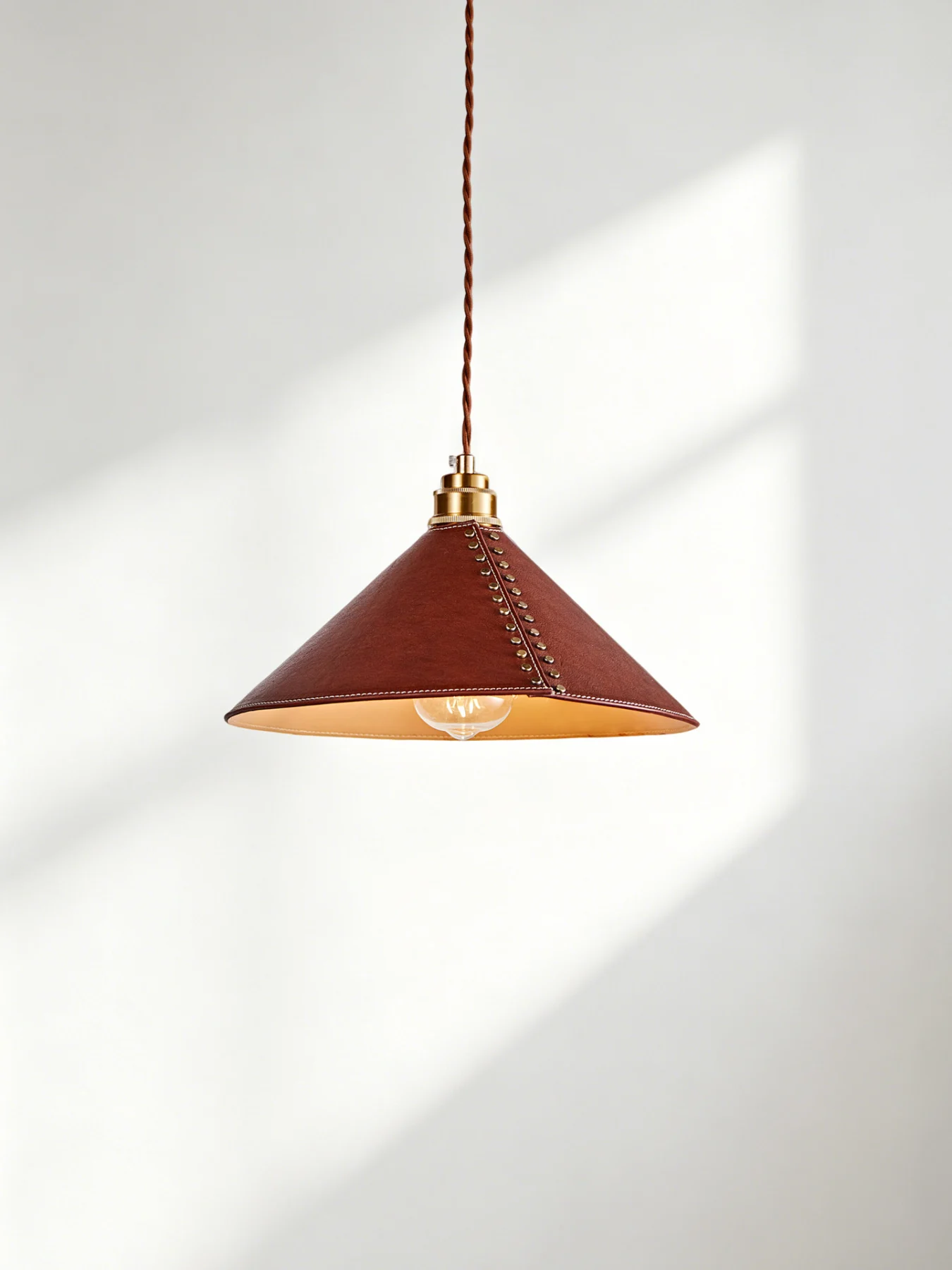
Related: Ceramic Pendant Lights
Why Restaurants Choose Ceramic Pendant Lights
Restaurants need lighting that supports both design and guest experience. The light should make food look appealing, help the space feel comfortable, and create a visual memory for guests.
Ceramic pendant lights are often chosen because they can:
- Add handmade texture
- Create a warm and organic atmosphere
- Support wabi-sabi, Japandi, Mediterranean, rustic, and boutique restaurant styles
- Work as a visual feature above tables, bars, counters, and private dining areas
- Offer custom glaze colors and surface finishes
- Feel more distinctive than generic commercial lighting
- Match natural materials such as wood, stone, plaster, linen, and rattan
For restaurants that want a calm, crafted, or high-end feeling, ceramic lighting can become part of the brand experience.
Related: Wabi-Sabi Lighting Manufacturer
Best Restaurant Areas for Ceramic Pendant Lights
Ceramic pendant lights can be used in many restaurant zones. The best design depends on ceiling height, table layout, interior style, and how much visual attention the fixture should receive.
Above Dining Tables
Pendant lights above dining tables can create intimacy and rhythm. Ceramic shades are especially useful when the restaurant wants each table or row of tables to feel considered.
Buyers should confirm:
- Table size
- Table spacing
- Pendant diameter
- Hanging height
- Quantity per table
- Light spread
- Glare control
- Cleaning access
For repeated table rows, consistency is important. The manufacturer should be able to control shade size, glaze color, and cable length across the full order.
Bar and Counter Areas
Ceramic pendant lights above bars and counters can become a strong visual signal. They are often used in boutique restaurants, cafes, wine bars, hotel bars, and open kitchen counters.
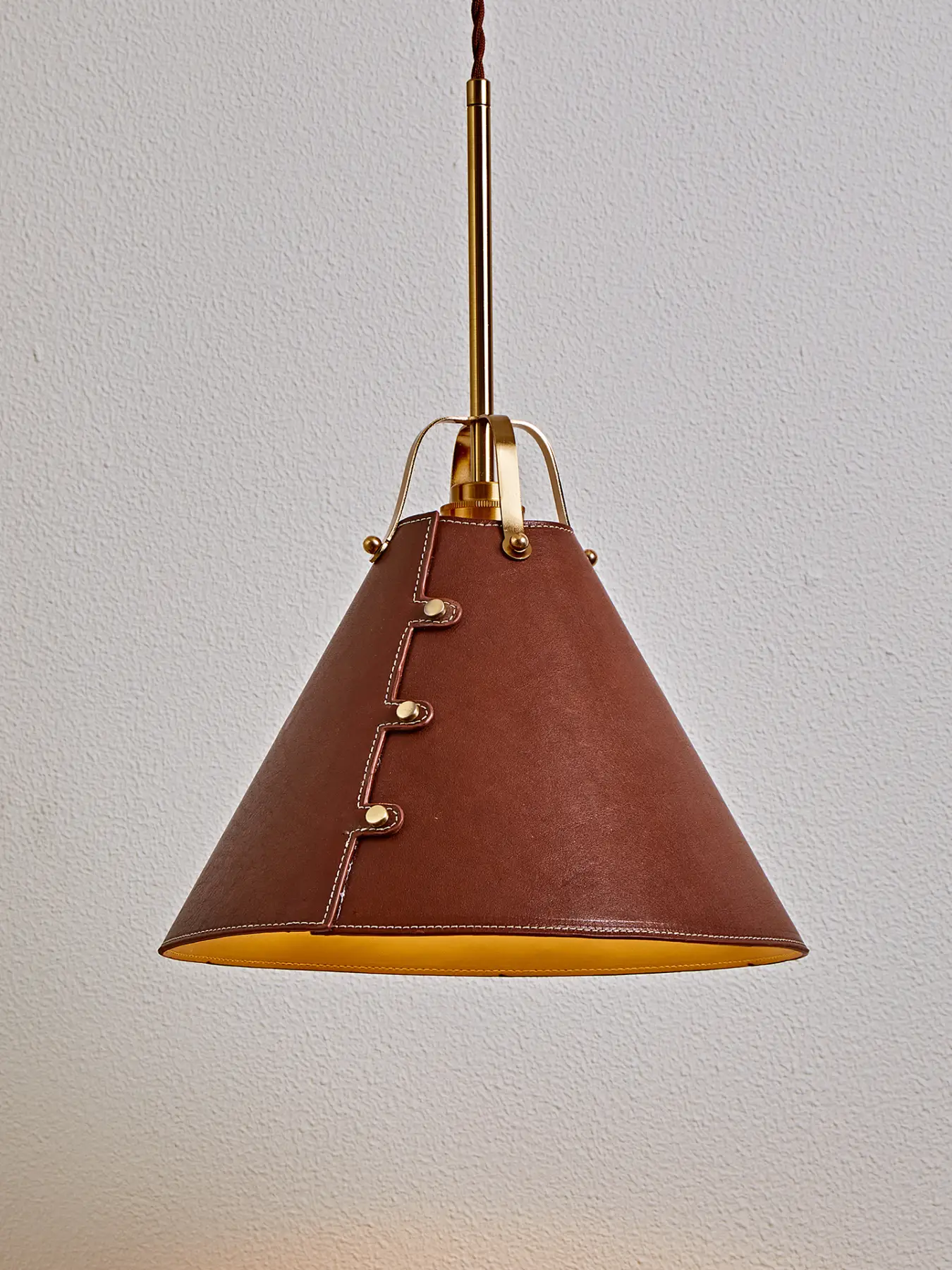
For bar areas, buyers should check:
- Pendant spacing
- Viewing angle from guests
- Light direction
- Shade weight
- Cable or rod structure
- Canopy finish
- Whether the pendant blocks staff movement or sightlines
If the bar is a hero area, custom ceramic pendants can help make the space easier to remember and photograph.
Private Dining Rooms
Private dining rooms often need a more refined atmosphere. Ceramic pendant lights can work well when the design direction is calm, organic, or boutique.
For private rooms, larger ceramic pendants or grouped fixtures may be used, but the buyer should confirm ceiling support, installation height, and maintenance access.
Restaurant Entrances and Feature Corners
A ceramic pendant light can also be used near an entrance, reception desk, stair landing, or feature wall. In this role, the fixture is more decorative and brand-oriented.
For these spaces, buyers can consider more sculptural shapes, deeper textures, or custom glaze finishes.
Choosing the Right Ceramic Style
Ceramic pendant lights can look simple, rustic, refined, organic, or sculptural. Before contacting a manufacturer, the buyer should define the restaurant’s design direction.
Common ceramic lighting styles include:
- Wabi-sabi ceramic pendant lights
- Handmade textured ceramic pendants
- Matte ceramic shades
- Glossy glazed ceramic pendants
- Terracotta-style ceramic lighting
- Organic modern ceramic fixtures
- Minimal ceramic pendant lights
- Sculptural ceramic chandeliers
- Mediterranean-style ceramic lamps
The best style depends on the restaurant concept. A fine dining restaurant may need a more refined shape. A cafe may choose smaller repeated pendants. A wabi-sabi restaurant may prefer irregular forms and matte textures.
Related: Wabi-Sabi Chandeliers: Why Designers Choose Organic Modern Lighting
Glaze Color and Surface Finish
Glaze is one of the most important parts of ceramic lighting. It affects color, texture, light reflection, and the handmade character of the fixture.
Popular ceramic finishes for restaurants include:
- Warm white
- Matte beige
- Sand tone
- Terracotta
- Earth brown
- Charcoal
- Black glaze
- Crackle glaze
- Speckled glaze
- Hand-brushed finish
Buyers should understand that ceramic glaze can vary from piece to piece. This variation can be beautiful, but it should be controlled enough for the project.
Before bulk production, confirm:
- Target glaze color
- Surface texture
- Glossy or matte finish
- Acceptable color variation
- Sample approval process
- Whether glaze will look different under warm light
- Whether the finish is easy to clean
For restaurant projects, photos under factory lighting may not fully show the final effect. If possible, check the sample under lighting similar to the restaurant environment.
Size, Weight, and Installation
Ceramic is heavier than fabric and many metal shade options. This does not mean ceramic pendant lights are difficult to use, but buyers need to confirm weight and installation details early.
Important details include:
- Shade diameter
- Shade height
- Total hanging length
- Net weight
- Ceiling support
- Cable strength
- Canopy structure
- Lamp holder position
- Installation method
For restaurants with many repeated fixtures, the installer should receive clear information before the lights arrive.
Related: How Interior Designers Can Build a Custom Lighting Specification Sheet
Lighting Effect and Guest Comfort
Ceramic pendant lights can create different lighting effects depending on the shade shape and opening direction. Some ceramic pendants focus light downward. Others create a softer decorative glow.
Restaurant buyers should confirm:
- Whether the pendant is for ambient light or task light
- Light spread on the table
- Whether the bulb is visible
- Whether glare may affect guests
- Color temperature
- Dimming compatibility
- Bulb type and wattage
- Whether additional ceiling or wall lighting is needed
For dining tables, lighting should make food look attractive without shining directly into guests’ eyes. Warm light is often preferred, but the final choice should match the restaurant concept.
Custom Options for Ceramic Pendant Lights
Ceramic pendant lights can often be customized, but the level of customization affects cost, MOQ, sample time, and production risk.
Common custom options include:
- Shade size
- Shape
- Surface texture
- Glaze color
- Cable length
- Cable color
- Canopy finish
- Lamp holder standard
- Grouping layout
- Packaging label
- Project carton label
Simple customization, such as cable length or canopy finish, is usually easier. Deeper customization, such as a new ceramic shape or new glaze development, may require mold, sample, and higher MOQ.
Related: How to Customize Pendant Light Size, Color, Cable, Canopy, and Packaging
Sample Approval Before Bulk Production
For ceramic restaurant lighting, sample approval is very important. A digital image is useful, but it cannot fully replace a real sample when glaze, texture, weight, and light effect matter.
A good sample review should check:
- Overall shape
- Ceramic texture
- Glaze color
- Surface finish
- Shade thickness
- Weight
- Cable and canopy
- Light effect
- Installation hardware
- Packaging method
If the project is large, buyers can also ask for pre-production photos before full production continues.
MOQ and Lead Time
MOQ depends on the product type and customization level. Existing ceramic pendant light models may support more flexible MOQ. Fully custom ceramic shapes or glaze development may require higher quantities.
Buyers should ask the supplier:
- MOQ for existing models
- MOQ for custom glaze
- MOQ for custom shape
- Sample lead time
- Bulk production lead time
- Packaging lead time
- Whether repeat orders are possible
- Whether spare shades can be ordered
For restaurant projects with a tight opening date, lead time should be confirmed before sample approval, not after.
Related: Low MOQ Custom Pendant Lights Small Order Guide
Electrical Standards and Certification
Restaurant lighting must match the destination market. Electrical details should be confirmed before production because they affect components, labeling, and documentation.
Confirm:
- Voltage
- Lamp holder type
- Cable type
- Hardwire or plug requirement
- Grounding
- CE or RoHS needs for European markets
- UL or ETL discussion for North American markets if required
- Installation instruction requirement
- Product label requirement
Certification requirements vary by market and project. Buyers should tell the supplier the destination country and project standard early.
Related: CE and RoHS for Decorative Lighting Buyers: What Importers Should Confirm
Packaging for Ceramic Restaurant Lighting
Ceramic pendant lights need strong packaging because ceramic can chip, crack, or break if pressure is concentrated on one point. Packaging should be planned before shipment, especially for international orders.
Good packaging should protect:
- Ceramic rim
- Glazed surface
- Socket area
- Cable and canopy
- Accessories
- Carton orientation
- Project labels
For restaurant projects, carton labels should show model number, quantity, carton number, and installation area if needed. This helps installers work faster on site.
Related: How to Package Fragile Decorative Lighting for International Shipping
What to Send a Manufacturer for Quotation
Clear information helps the manufacturer quote accurately and recommend realistic options.
Before requesting a quotation, prepare:
- Restaurant type
- Interior style reference
- Product reference images
- Target quantity
- Installation area
- Ceiling height
- Desired pendant size
- Desired glaze color
- Cable length
- Canopy finish
- Electrical standard
- Target delivery date
- Packaging requirement
- Destination market
If the project has drawings, mood boards, or a lighting schedule, send them together with the inquiry.
Supplier Checklist for Custom Ceramic Pendant Lights
When choosing a ceramic lighting manufacturer, buyers should check whether the supplier can support both design and project execution.
Ask:
- Do you have ceramic pendant light experience?
- Can you provide existing models?
- Can you customize glaze color?
- Can you develop a new shape?
- What is the sample process?
- What is the MOQ?
- Can you control color variation?
- How do you package ceramic fixtures?
- Can you support export documentation?
- Can you provide photos before shipment?
- Can you support repeat orders?
Related: Decorative Lighting Manufacturer Checklist
Common Mistakes to Avoid
Restaurant buyers should avoid these sourcing mistakes:
- Choosing only by product photo without checking dimensions
- Ignoring ceramic weight
- Approving glaze color without a sample
- Forgetting lighting effect and glare
- Asking about electrical standard too late
- Using weak packaging for international shipping
- Not ordering spare shades
- Not confirming cable length for each installation area
- Treating handmade variation as a defect without defining acceptance standards
Ceramic lighting has natural character. The sourcing goal is not to remove that character, but to control the details that affect installation, safety, and guest experience.
Work With OBBAO on Restaurant Ceramic Pendant Lights
OBBAO Lighting supplies custom ceramic pendant lights, fabric pendant lights, silk pendant lights, marble pendant lights, wabi-sabi chandeliers, and OEM/ODM decorative lighting for restaurants, hotels, villas, designers, wholesalers, retailers, and commercial interiors.
For restaurant ceramic pendant light projects, OBBAO can support discussions around shape, glaze color, shade size, cable length, canopy finish, sample approval, packaging, MOQ, and international shipping.
Share your restaurant concept, reference images, quantity, destination market, and target delivery date to receive a practical sourcing recommendation.
Related: How to Source Custom Pendant Lights from China
FAQ
Are ceramic pendant lights suitable for restaurants?
Yes. Ceramic pendant lights are suitable for restaurants, cafes, bars, private dining rooms, boutique hotels, and organic modern hospitality interiors.
Can ceramic pendant lights be customized?
Yes. Ceramic pendant lights can often be customized by shade size, shape, glaze color, texture, cable length, canopy finish, and electrical standard.
Do ceramic pendant lights need sample approval?
Yes. Sample approval is strongly recommended because ceramic glaze, texture, weight, and light effect can look different from photos.
What should restaurant buyers confirm before ordering?
Buyers should confirm shade size, glaze color, weight, lighting effect, electrical standard, MOQ, lead time, packaging method, and installation requirements.
How should ceramic pendant lights be packaged for export?
Ceramic pendant lights should use strong inner protection, edge protection, separate accessory packing, reinforced export cartons, and clear fragile labels.