
Custom wall sconces are small fixtures, but they have a large influence on how an interior feels. In hotels, villas, restaurants, corridors, spa rooms, bedrooms, lounges, and private clubs, wall lights help define rhythm, warmth, and atmosphere. They can support the main lighting plan, highlight wall materials, create a soft bedside glow, or make a corridor feel more finished.
When buyers search for a custom wall sconce manufacturer, they usually need more than a standard catalog product. They may need a custom size, special finish, handmade ceramic texture, fabric shade, metal color, warm diffusion, hotel project quantity, private label packaging, sample approval, safety standard support, and export-ready packing.
This guide explains how interior designers, hotel buyers, villa project owners, lighting brands, wholesalers, and contractors can source custom wall sconces from a decorative lighting manufacturer with fewer mistakes.
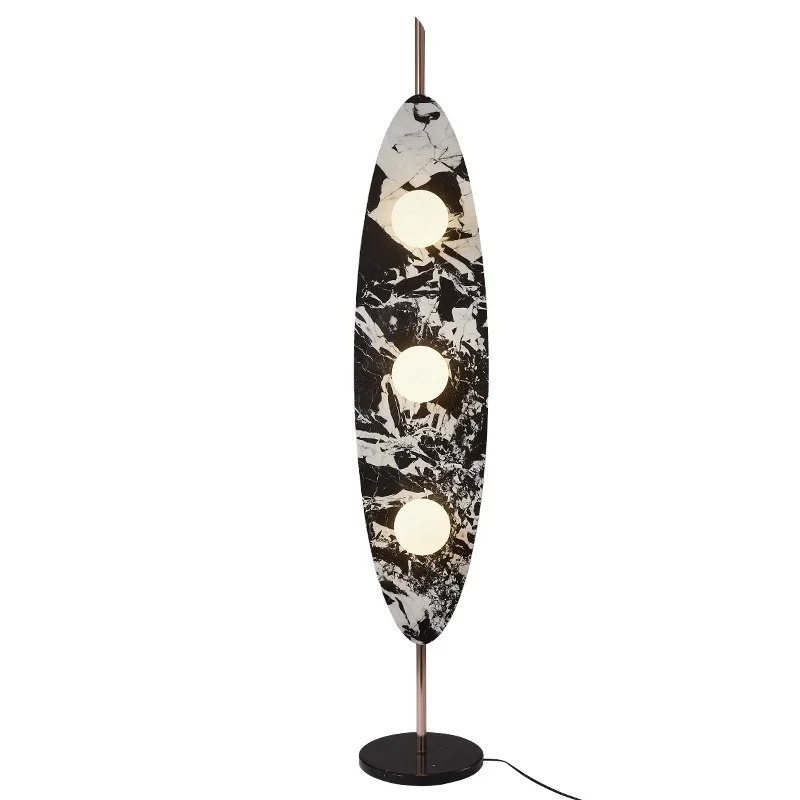
Related: Custom Hotel Lighting Supplier Guide for Hospitality Projects
Why Wall Sconces Matter in Interior Projects
Wall sconces are often installed at eye level or near eye level. This makes them more noticeable than many ceiling lights. A pendant light may become the focal point of a room, but wall sconces are seen repeatedly as people move through a space.
In a hotel corridor, wall sconces create visual rhythm and help guests feel guided. In a guest room, bedside wall lights affect comfort, reading light, and the feeling of quality. In a restaurant, decorative wall lights can soften hard surfaces and support a warm dining atmosphere. In a villa, wall lights help connect living rooms, staircases, bedrooms, and outdoor transition areas into one design language.
For project buyers, this means wall sconces should not be treated as simple accessories. They need the right proportion, light direction, color temperature, finish, installation detail, and quality control.
Common Applications for Custom Wall Sconces
Custom wall sconces are used in both residential and commercial projects. Each application has different practical needs.
Common applications include:
- Hotel corridors
- Hotel guest rooms
- Bedside lighting
- Villa bedrooms
- Living room feature walls
- Staircase walls
- Restaurant dining areas
- Cafe and bar interiors
- Spa and wellness rooms
- Club lounges
- Apartment projects
- Retail showrooms
- Private label lighting collections
A hotel corridor may need consistent production and strong packaging because many pieces are ordered at once. A villa bedroom may need a more refined finish and a softer light effect. A restaurant project may care more about atmosphere, wall texture, and durability under daily use.
Related: Custom Villa Lighting Manufacturer Guide
Start With the Project Scene, Not Only the Product Photo
Many sourcing problems begin when a buyer sends only one product reference photo and asks for a price. A photo is useful, but it does not explain the installation environment.
Before requesting a quotation, prepare basic project information:
- Application area
- Quantity
- Wall material
- Ceiling height
- Installation height
- Room style
- Required size
- Preferred material
- Finish color
- Light direction
- Color temperature
- Voltage and certification needs
- Target budget
- Delivery schedule
For hotel or commercial projects, drawings are especially helpful. A wall elevation, lighting layout, room rendering, or marked photo can help the manufacturer understand scale and position. If drawings are not available, clear measurements and site photos are still useful.
Choosing the Right Wall Sconce Type
Wall sconces come in many forms. The best option depends on the project mood, wall finish, and lighting purpose.
Common types include:
- Up and down wall sconces
- Fabric shade wall lights
- Ceramic wall sconces
- Metal wall sconces
- Glass wall lights
- Marble or travertine wall lights
- Bedside reading wall lights
- Decorative picture-style wall lights
- Linear wall lights
- Organic or wabi-sabi wall sconces
- Outdoor covered-area wall lights
For a luxury hotel guest room, a fabric or metal wall sconce may feel calm and familiar. For a boutique restaurant, ceramic, glass, or textured metal can create stronger character. For a villa staircase wall, a long vertical sconce or repeated small sconces can add rhythm without competing with a chandelier.
Related: Custom Staircase Chandelier Manufacturer Guide
Material Selection
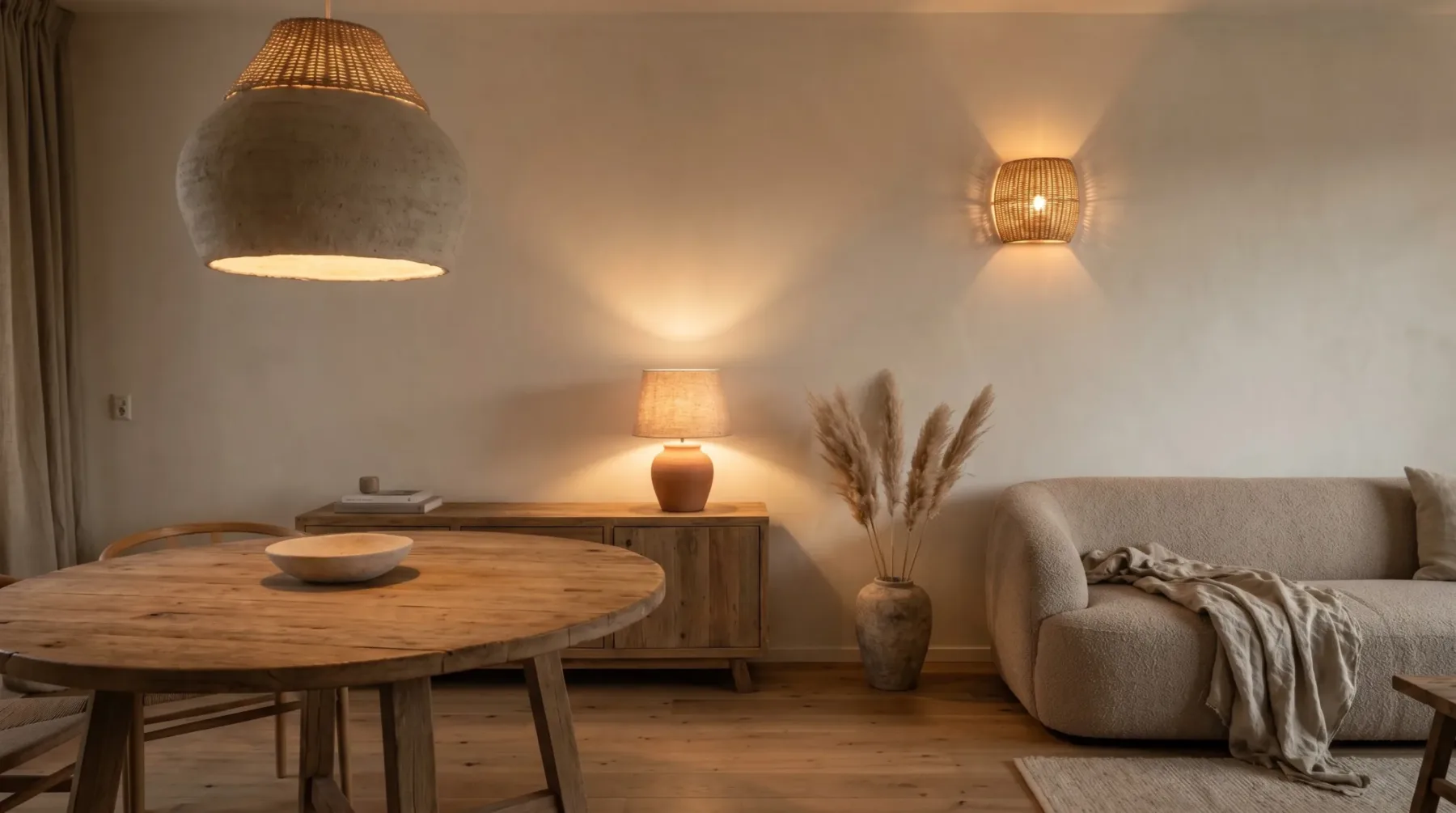
Material choice affects appearance, weight, cost, packaging, maintenance, and lead time. A custom wall sconce manufacturer should explain these tradeoffs before production.
Metal
Metal is widely used for structure, back plates, arms, frames, and shades. Common finishes include brushed brass, antique brass, black, white, bronze, chrome, nickel, and custom powder coating.
Metal is suitable for:
- Hotel corridors
- Bedside wall lights
- Restaurant walls
- Modern villas
- Private label collections
- Projects that need repeatable production
The buyer should confirm finish sample, coating durability, anti-rust treatment where needed, and whether visible screws match the fixture finish.
Fabric
Fabric shades create soft diffusion and are common in hotel rooms, bedrooms, lounges, and villa interiors. Fabric wall sconces can feel warm and comfortable, but the shade shape and fabric color must be controlled carefully.
Important details include:
- Shade diameter
- Shade height
- Fabric color
- Inner lining color
- Light transmittance
- Frame strength
- Cleaning expectations
- Packaging to avoid deformation
Related: Fabric Pendant Lights for Hotel Guest Rooms
Ceramic
Ceramic wall sconces are suitable for interiors that need handmade texture, organic form, or boutique character. They can work well in restaurants, cafes, villas, spa projects, and hospitality spaces.
Because ceramic pieces may have natural variation, buyers should confirm acceptable tolerance for color, glaze, surface texture, size, and edge finish. For bulk orders, an approved sample should be kept as a reference.
Related: Ceramic Pendant Lights for Restaurants
Glass
Glass wall lights can create a refined and decorative effect. Clear glass, opal glass, smoked glass, amber glass, ribbed glass, and frosted glass are common choices.
Glass requires careful packing and inspection. Buyers should confirm glass thickness, color consistency, bubble tolerance, shade fixing method, and spare glass availability.
Stone
Marble, travertine, alabaster-style stone, and similar materials are used in premium decorative wall lights. They can create a natural and luxurious feeling, especially in villas, hotel lobbies, corridors, and lounges.
Stone is heavier and more variable than many other materials. The manufacturer should confirm wall fixing, weight, wiring space, pattern variation, and protective packaging.
Related: Marble and Travertine Pendant Lights
Size and Proportion
Wall sconce size should match the wall area and viewing distance. A fixture that looks correct in a close product photo may feel too small on a hotel corridor wall or too large beside a bed.
Useful size details include:
- Overall height
- Overall width
- Projection from wall
- Back plate size
- Shade size
- Distance from wall to light source
- Installation height
- Clearance beside bed, mirror, artwork, or door
Projection is especially important. If a wall light extends too far, it may feel awkward in a narrow corridor or beside a bed. If it is too flat, it may not create enough visual depth.
For hotel corridors, repeated sconces should be checked with corridor width and walking clearance. For bedside lights, confirm the position relative to the headboard, pillow height, switch, and bedside table.
Light Effect and Color Temperature
The appearance of a wall sconce changes greatly when the light is turned on. A good fixture should look balanced both on and off.
Discuss these light details before sampling:
- Direct, indirect, or diffused light
- Up light or down light
- Shade transparency
- Glare control
- LED module or replaceable bulb
- Color temperature
- CRI requirement
- Dimming compatibility
- Driver location
- Heat management
Warm light is common for hospitality and residential projects. Many buyers choose 2700K or 3000K for guest rooms, restaurants, villas, and lounges. For corridors or public areas, the project lighting designer may specify the color temperature and lumen output.
If the wall finish is dark, textured, glossy, or stone-based, ask for a lighting effect test. The same fixture can look different on white plaster, wood veneer, marble, microcement, wallpaper, or dark paint.
Custom Options Buyers Can Request
A custom wall sconce manufacturer can usually support more than one type of customization. The exact options depend on the design and production method.
Common custom options include:
- Fixture size
- Back plate shape
- Arm length
- Shade material
- Shade color
- Metal finish
- Ceramic glaze
- Glass color
- Cable and wiring method
- Switch position
- LED color temperature
- Dimming driver
- Logo label
- Carton label
- Installation instructions
- Private label packaging
For private label buyers, the most important point is repeatability. A beautiful sample is not enough if the finish cannot be repeated in bulk production. Ask the factory how it controls color, texture, welding, polishing, shade shape, and electrical assembly.
Related: Custom Pendant Light Options
OEM and ODM Wall Sconce Projects
Wall sconces can be developed as OEM or ODM products.
OEM usually means the buyer provides a design, drawing, reference, or specification and asks the manufacturer to produce according to the requirement. ODM usually means the buyer starts from the manufacturer’s existing design and requests changes such as finish, material, size, branding, packaging, or electrical configuration.
OEM may be better when:
- You have a unique design
- You need exclusivity
- You already have drawings
- You are developing a brand collection
- You want consistent production for repeat orders
ODM may be better when:
- You need faster sampling
- You want lower development cost
- You need a small trial order
- You want to test a market first
- You prefer modifying an existing factory design
Related: OEM vs ODM Lighting Manufacturer Guide
MOQ and Sample Strategy
MOQ depends on material, finish, structure, tooling, and packaging. A simple metal wall sconce based on an existing design may have a lower MOQ than a fully custom ceramic or glass fixture.
Buyers can usually reduce risk by starting with:
- One sample for design confirmation
- One finish sample for color approval
- A small trial order
- Mixed models in one shipment
- Standard carton packaging at the first stage
- Private label packaging after design confirmation
Low MOQ does not mean every customization is possible at the lowest price. Some finishes, molds, glass shapes, ceramic forms, or special components require a minimum production quantity. The best approach is to tell the manufacturer which details are fixed and which details are flexible.
Related: Low MOQ Custom Pendant Lights Guide
What to Check Before Approving a Sample
A wall sconce sample should be reviewed carefully before bulk production. Small problems become expensive when repeated across many rooms or corridors.
Check these details:
- Overall size
- Projection from wall
- Back plate fit
- Finish color
- Shade alignment
- Welding and polishing
- Ceramic or glass consistency
- Light effect
- Glare level
- Color temperature
- Switch position
- Driver noise
- Heat performance
- Screw quality
- Wall fixing method
- Installation instructions
- Packaging strength
Take photos and videos during sample review. Mark any required changes clearly. If a design is approved, keep the approved sample or detailed approval record as a production reference.
Quality Control for Bulk Production
Bulk production quality should be controlled before shipment, not only after goods arrive. A reliable decorative wall light supplier should have inspection steps for both appearance and function.
Common QC points include:
- Material confirmation
- Finish color comparison
- Size measurement
- Assembly check
- Electrical test
- Grounding check where required
- LED or bulb holder check
- Shade fitting
- Glass or ceramic defect inspection
- Screw and accessory check
- Label and carton check
- Drop test or packaging review when needed
For hotel projects, room labels and area labels can reduce installation mistakes. For example, cartons can be marked by room type, floor, corridor area, or model code.
Related: CE and RoHS for Decorative Lighting Buyers
Packaging and International Shipping
Wall sconces may look compact, but they often include fragile shades, glass parts, ceramic parts, thin metal arms, or special finishes. Packaging should protect both the fixture and the surface finish.
Good packaging planning may include:
- Inner foam or molded protection
- Separate packing for fragile shades
- Protective film for metal parts
- Accessory bags
- Installation screws
- Clear product labels
- Master carton labels
- Spare parts where needed
- Pallet packing for large orders
For mixed project orders, packing lists should be clear. The buyer should be able to identify model code, quantity, carton number, room label, and accessories without opening every box.
Related: Packaging Fragile Decorative Lighting for International Shipping
Lead Time Planning
Lead time depends on design complexity, material availability, sample revisions, finish approval, quantity, and shipping method.
A typical project timeline may include:
- Design confirmation
- Quotation
- Sample production
- Sample testing
- Sample approval
- Bulk material preparation
- Bulk production
- Quality inspection
- Packaging
- Export shipping
Buyers should avoid approving a project fixture only by product photos when the installation quantity is high. A physical sample or detailed video inspection can prevent costly changes later.
Related: Custom Lighting Lead Time Guide
Questions to Ask a Custom Wall Sconce Manufacturer
Before choosing a supplier, ask practical questions that reveal project experience.
Useful questions include:
- Have you made wall sconces for hotels, villas, restaurants, or commercial projects?
- Can you customize size, finish, shade material, and color temperature?
- What is the MOQ for this design?
- Can you make a sample before bulk production?
- Can you support CE, RoHS, UL component, or destination market requirements?
- How do you control finish consistency?
- Can you provide installation instructions?
- Can you label cartons by model or room?
- How do you package glass, ceramic, or fabric shade parts?
- Can you provide spare parts for project orders?
- What is the estimated sample and production lead time?
The answers should be specific. A serious manufacturer will ask questions back, because custom lighting depends on project conditions.
Related: Decorative Lighting Manufacturer Checklist
Common Mistakes to Avoid
Many wall sconce sourcing problems are avoidable when the project is specified clearly.
Avoid these mistakes:
- Choosing only by product photo
- Ignoring projection from wall
- Forgetting installation height
- Using the wrong color temperature
- Choosing a finish without a sample
- Not checking shade alignment
- Ignoring wall material and fixing method
- Ordering bulk production before sample approval
- Using weak packaging for fragile parts
- Not confirming certification needs
- Not preparing spare parts for large projects
The goal is not to make the most complicated specification. The goal is to give the manufacturer enough information to produce the right fixture consistently.
FAQ
Can wall sconces be customized for hotel projects?
Yes. Hotel wall sconces can be customized by size, finish, shade material, color temperature, switch position, back plate, room label, packaging, and electrical configuration. For hotel projects, sample approval and consistency control are important.
What is the best material for decorative wall sconces?
There is no single best material. Metal is practical and repeatable, fabric gives soft diffusion, ceramic adds handmade texture, glass creates decorative light effects, and stone gives a premium natural look. The best choice depends on the project style, budget, wall material, and maintenance needs.
Can I order low MOQ custom wall sconces?
Many manufacturers can support low MOQ orders when the design is based on an existing structure or standard components. Fully custom molds, special glass, ceramic shapes, or exclusive finishes may need a higher MOQ.
Should I choose LED modules or replaceable bulbs?
LED modules can create slim forms and controlled light effects, while replaceable bulbs are easier to maintain in some projects. The choice depends on design, installation area, maintenance plan, and destination market requirements.
What information should I send for a quotation?
Send the application area, quantity, size, material, finish, color temperature, voltage, certification needs, drawings or photos, packaging needs, and target delivery time. For hotel and villa projects, room drawings or wall elevations are very helpful.
Work With OBBAO on Custom Wall Sconces
OBBAO Lighting works with interior designers, wholesalers, brand owners, project buyers, and contractors on custom decorative lighting for villas, hotels, restaurants, commercial interiors, and private label collections.
If you are sourcing custom wall sconces, decorative wall lights, pendant lights, chandeliers, or complete project lighting, OBBAO can help with material selection, finish options, sample development, low MOQ discussion, production control, packaging, and export delivery.
For the fastest quotation, prepare your product reference, size, quantity, material preference, finish requirement, color temperature, destination country, and project timeline. Clear information helps the manufacturer recommend the right solution and avoid unnecessary revisions.