
Choosing a custom hotel lighting supplier is not only about finding attractive pendant lights or chandeliers. In hospitality projects, lighting must support the design concept, room schedule, installation plan, guest experience, safety requirements, budget, and opening date.
A hotel lighting order can include guest room pendant lights, bedside lamps, lobby chandeliers, restaurant pendants, corridor lighting, villa lighting, public area fixtures, and replacement parts. If the supplier cannot manage samples, consistency, packaging, labeling, inspection, and shipping, the lighting can become a project delay instead of a design feature.
This guide explains how hotel owners, interior designers, procurement teams, contractors, wholesalers, and project buyers can evaluate a custom hotel lighting supplier before placing an order.
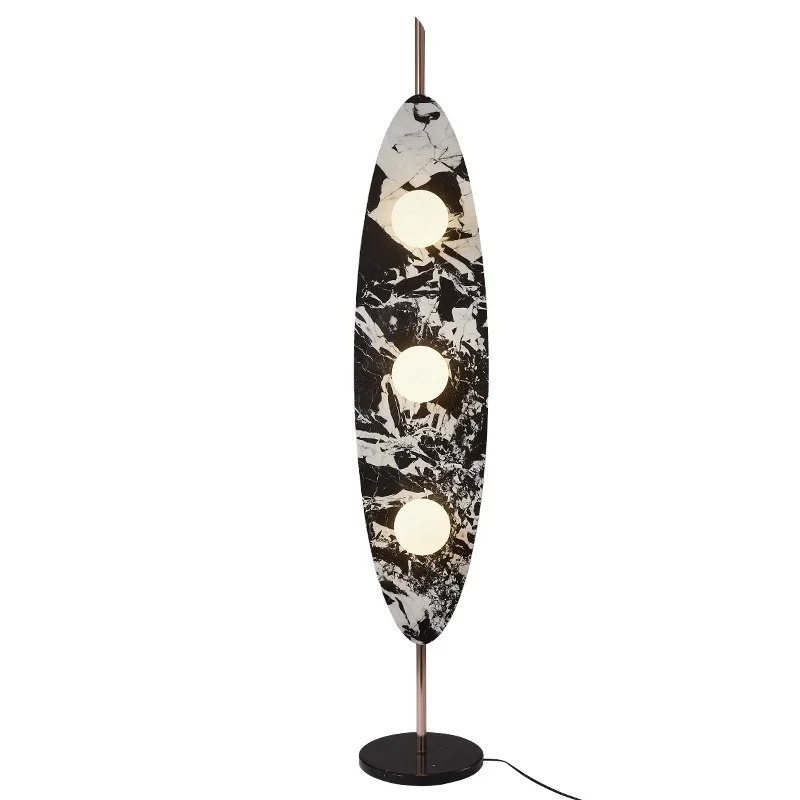
Related: Fabric Pendant Lights for Hotel Guest Rooms
Why Hotel Lighting Requires a Different Supplier Mindset
Hotel lighting is different from ordinary retail lighting because every fixture is connected to a larger project schedule. A pendant light may need to match a sample room, a restaurant concept, a lobby rendering, a villa mood board, or a fixed handover date.
Hotel buyers usually need:
- Consistent quality across repeated rooms
- Custom sizes and finishes
- Clear electrical standards
- Reliable sample development
- Packaging by room or area
- Strong protection for fragile products
- Spare parts planning
- Export-ready documentation
- On-time production and shipping
A good hospitality lighting supplier understands that the product is only one part of the project. Communication, documentation, and delivery control matter just as much.
Start With the Hotel Area and Lighting Function
Before asking for a quotation, define where the lighting will be used. A supplier can make better recommendations when the project area is clear.
Common hotel areas include:
- Guest rooms
- Suites
- Lobby and reception
- Restaurants and bars
- Corridors
- Banquet areas
- Spa and wellness spaces
- Villas
- Outdoor covered areas
- Retail or gallery spaces inside the hotel
Each area has different design and technical priorities. Guest rooms need repeatability and practical installation. Lobbies may need large statement fixtures. Restaurants need atmosphere, scale, and visual comfort. Villas may need more custom design flexibility.
Guest Room Lighting
Guest room lighting often requires consistency because the same fixture may be used in many rooms. Even small differences in shade color, cable length, or finish can become visible when rooms are repeated.
For guest rooms, check:
- Fixture size
- Mounting height
- Cable length
- Shade material
- Glare control
- Maintenance access
- Spare parts
- Room labeling
- Batch consistency
Fabric, silk, ceramic, metal, and wabi-sabi pendant lights can all work in guest rooms, but the supplier must control weight, installation, cleaning, and packaging.
Related: Fabric Pendant Lights for Hotel Guest Rooms
Lobby and Reception Lighting
Lobby lighting often becomes a first impression. A large chandelier or sculptural pendant installation may need custom dimensions, reinforced structure, special finish, and careful packing.
For lobby lighting, discuss:
- Ceiling height
- Fixture diameter or length
- Weight and hanging structure
- Installation hardware
- Maintenance access
- Assembly method
- Shipping volume
- On-site installation sequence
Large hotel lobby fixtures should be reviewed carefully before production. If the design needs multiple sections, the supplier should explain how the fixture will be assembled, packed, and installed.
Restaurant and Bar Lighting
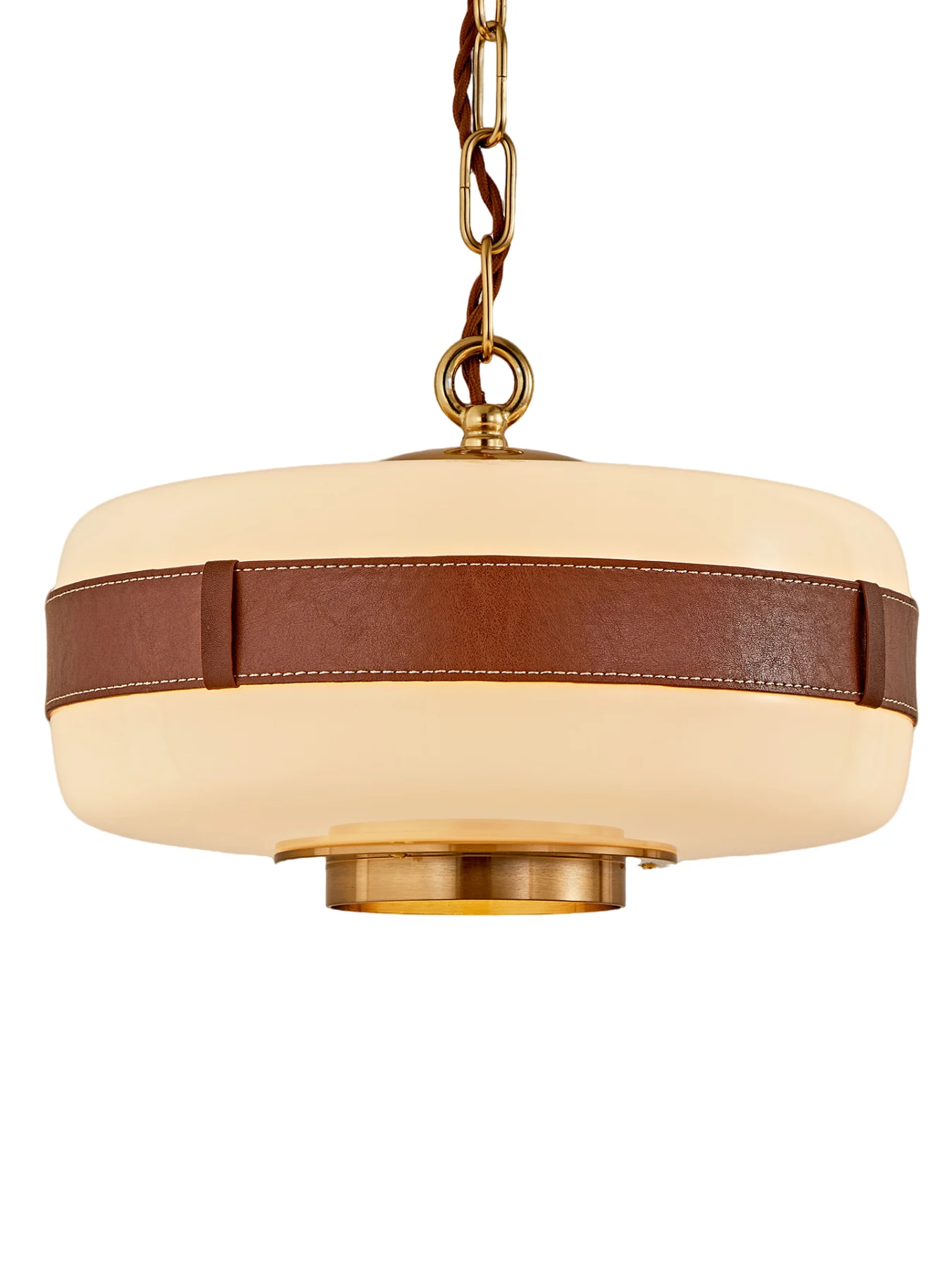
Hotel restaurants and bars need atmosphere, but the lighting must still be practical for table layout, service flow, cleaning, and maintenance.
For restaurant lighting, check:
- Pendant spacing
- Height above tables
- Material durability
- Shade opacity
- Warmth of light effect
- Color consistency
- Dimming compatibility
- Replacement parts
Ceramic pendant lights, fabric pendants, silk shades, marble pendants, leather lighting, and sculptural wabi-sabi fixtures can all support restaurant concepts when specified correctly.
Related: Ceramic Pendant Lights for Restaurants
Villas and Boutique Hospitality Spaces
Villa and boutique hotel lighting often allows more design freedom than standard guest room lighting. Buyers may want handmade surfaces, natural materials, larger pendant sizes, or statement chandeliers.
For villas and boutique spaces, consider:
- Custom texture
- Natural material variation
- Handmade finish tolerance
- Stone, ceramic, fabric, or leather selection
- Room-by-room customization
- Smaller batch production
- Low MOQ feasibility
The supplier should explain what can be customized without creating unnecessary risk or delay.
Related: Wabi-Sabi Chandeliers for Organic Modern Interiors
What Information to Send a Hotel Lighting Supplier
A clear inquiry saves time and reduces mistakes. Instead of sending only a reference photo, provide the supplier with practical project information.
Useful information includes:
- Project type
- Hotel area
- Reference image or rendering
- Quantity by model
- Target size
- Material preference
- Finish or color requirement
- Ceiling height
- Cable length
- Canopy finish
- Electrical standard
- Dimming requirement
- Packaging requirement
- Destination country
- Target installation date
If you have a room schedule, specification sheet, CAD drawing, or BOQ, send it early. The supplier can then quote more accurately and identify potential problems before sampling.
Related: Custom Lighting Specification Sheet Guide
Sample Development for Hotel Lighting
Samples are important in hospitality projects because renderings cannot fully show material, scale, color, texture, and light effect. A sample also helps confirm packaging, installation details, and supplier communication quality.
Hotel lighting samples should verify:
- Product dimensions
- Material and finish
- Shade opacity
- Light effect
- Cable length
- Canopy size
- Electrical components
- Installation method
- Weight
- Packaging
For repeated guest rooms, a sample room fixture may be needed before bulk production. For lobby chandeliers, a partial sample, finish sample, or structure drawing may be used if a full-size sample is impractical.
Customization Options for Hotel Projects
Hotel projects often need customization even when using existing models. A professional supplier should explain which changes are easy and which changes affect cost, MOQ, and lead time.
Common customization options include:
- Size
- Color
- Fabric or silk selection
- Ceramic glaze
- Metal finish
- Marble or travertine selection
- Cable length
- Canopy shape and finish
- Lamp holder or driver
- Dimming compatibility
- Packaging label
- Private label branding
Not every detail should be customized. If the project deadline is tight, starting from proven designs with controlled adjustments is often safer.
Related: Custom Pendant Light Options
OEM, ODM, and Low MOQ for Hotel Lighting
Hotel buyers can use OEM, ODM, or a combined approach.
OEM is suitable when the designer provides a clear concept, drawing, or project-specific fixture. ODM is suitable when the supplier has an existing design that can be customized for the hotel. A combined approach can save time while still giving the project a custom look.
Low MOQ can be useful for:
- Sample rooms
- Boutique hotels
- Villa projects
- Restaurant areas
- Replacement orders
- First cooperation with a supplier
However, very deep customization may still require higher MOQ because the supplier must prepare new molds, frames, materials, finishes, or packaging.
Related: OEM vs ODM Lighting Manufacturer Guide
Related: Low MOQ Custom Pendant Lights Guide
Materials Commonly Used in Hotel Decorative Lighting
Material choice affects appearance, maintenance, weight, lead time, packaging, and cost.
Fabric and Silk
Fabric and silk lighting can create softness and warmth. These materials are often used in guest rooms, suites, lounges, restaurants, and boutique hotel interiors.
Check fabric availability, shade structure, diffuser needs, dust protection, and packaging volume.
Ceramic
Ceramic lighting works well for restaurants, guestrooms, boutique hotels, and organic interiors. It can offer handmade texture and glaze variation, but the supplier must control firing, color tolerance, and fragile packaging.
Marble and Travertine
Stone lighting adds luxury and natural variation. It is suitable for villas, restaurants, bars, lounges, and premium suites. Buyers should discuss weight, stone pattern, installation, and reinforced packing.
Related: Marble and Travertine Pendant Lights
Wabi-Sabi and Sculptural Materials
Wabi-sabi lighting often uses organic shapes, handmade finishes, fabric, leather, ceramic, metal, or mixed materials. These fixtures can become focal points in hotel lobbies, restaurants, villas, and spa spaces.
For sculptural fixtures, confirm installation structure, packing method, and production timeline early.
Quality Control for Hotel Lighting Orders
Quality control should be planned before production starts. A hotel project may involve many units, multiple models, and different installation areas. The supplier should provide clear QC steps before shipping.
Important checks include:
- Quantity
- Model number
- Size
- Finish and color
- Electrical function
- Cable length
- Canopy finish
- Accessories
- Packaging
- Carton marks
- Room labels
- Spare parts
For large orders, buyers can request production photos, packaging photos, inspection reports, or third-party inspection before shipment.
Packaging and Labeling for Hospitality Projects
Packaging is especially important for hotel lighting because fixtures may arrive at a construction site, warehouse, installer’s storage area, or project staging location.
Useful packaging practices include:
- Strong inner protection
- Reinforced cartons
- Wooden crates for heavy or fragile items
- Model labels
- Room labels
- Floor labels
- Accessory bags
- Installation instructions
- Spare parts marking
- Pallet or carton list
Packaging by room, floor, or installation phase can make the site team’s work easier, but it must be planned before production ends.
Related: Packaging Fragile Decorative Lighting for International Shipping
Lead Time and Shipping Planning
Hotel projects often have fixed opening dates, so lead time planning must include more than factory production.
Plan for:
- Quotation
- Specification confirmation
- Sample production
- Sample shipping
- Sample review
- Bulk production
- Inspection
- Packaging
- Shipping booking
- International transport
- Customs clearance
- Local delivery
- Installation buffer
If the deadline is tight, ask the supplier which models, materials, and customization options can be produced fastest.
Related: Custom Lighting Lead Time Guide
Red Flags When Choosing a Hotel Lighting Supplier
Be careful if a supplier:
- Gives a price without asking specifications
- Cannot explain material limitations
- Avoids sample details
- Has unclear MOQ rules
- Cannot confirm electrical standards
- Provides weak packaging information
- Does not discuss inspection
- Cannot support replacement parts
- Does not understand project labeling
- Promises unrealistic lead times
Hotel lighting projects need practical communication. A supplier who only says “yes” may create risk later.
Questions to Ask Before Placing an Order
Before confirming a hotel lighting order, ask:
- Have you made lighting for hotel or hospitality projects before?
- Which materials and processes do you handle best?
- Can you support OEM and ODM?
- What is the sample lead time?
- What is the bulk production lead time?
- What customization affects MOQ?
- Can you provide room or project labels?
- How do you pack fragile fixtures?
- What electrical standards can you support?
- What inspection photos or reports can you provide?
- Can you ship replacement parts with the main order?
- Can the order be split by area or delivery phase?
These questions help reveal whether the supplier is prepared for project work, not only product sales.
Related: Decorative Lighting Manufacturer Checklist
Work With OBBAO on Custom Hotel Lighting Projects
OBBAO Lighting supplies custom pendant lights, fabric pendant lights, silk pendant lights, ceramic pendant lights, marble pendant lights, wabi-sabi chandeliers, and decorative lighting for hotels, restaurants, villas, designers, wholesalers, retailers, and hospitality projects.
For hotel projects, OBBAO can support existing models, customized models, sample development, low MOQ discussion, OEM/ODM planning, packaging, inspection, and international shipping. Buyers can send reference images, project area, target size, quantity, electrical standard, packaging requirement, and delivery schedule for a practical recommendation.
If your project includes guest rooms, restaurants, villas, lobbies, or public areas, share the room schedule or product list early so the lighting plan can be matched to your budget and project timeline.
FAQ
What is a custom hotel lighting supplier?
A custom hotel lighting supplier provides decorative lighting for hospitality projects and can support size, material, finish, cable, canopy, packaging, labeling, samples, production, and shipping according to project needs.
What lighting is commonly used in hotel projects?
Hotel projects may use guest room pendant lights, bedside fixtures, lobby chandeliers, restaurant pendants, corridor lighting, villa lighting, spa lighting, and custom decorative fixtures for public areas.
Should hotel buyers choose OEM or ODM lighting?
OEM is better when the project has a specific design or drawing. ODM is better when the buyer wants to customize an existing factory design and save development time.
Why is packaging important for hotel lighting?
Hotel lighting may include fragile ceramic, glass, fabric, stone, metal, and large decorative fixtures. Strong packaging, room labels, and accessory organization help reduce breakage and installation problems.
What should buyers send before asking for a hotel lighting quotation?
Buyers should send reference images, target size, quantity, project area, material preference, finish requirement, electrical standard, packaging needs, destination country, and target installation date.