
A leather pendant and a fabric pendant can both create warmth in a hospitality interior, but they do it in very different ways. Leather vs fabric pendant lights is therefore not a simple premium-versus-budget decision. Leather may provide stronger material identity, surface depth, and visual weight. Fabric may provide softer volume, broader diffusion, and easier coordination across repeated spaces.
For hospitality lighting, the choice depends on construction, scale, light source, maintenance, batch requirements, packaging, and replacement. Different materials create different procurement logic; neither is universally better.
Do Not Choose Leather or Fabric From an Unlit Product Photo
A white-background image can show silhouette, color, and surface texture, but it cannot fully reveal transparency, inner shadows, bulb visibility, surface highlights, or the appearance of the bottom opening. Designers should review both the fixture switched OFF and switched ON.
The material name alone does not determine the light effect. Density, lining, openings, perforation, lamp position, and diffuser design can all change the result.
Leather vs Fabric Pendant Lights: Quick Comparison
| Factor | Leather | Fabric |
|---|---|---|
| Visual character | Stronger material identity | Softer textile presence |
| Surface | Natural or crafted texture, depending on the product | Woven, linen-look, or other textile surface, depending on the fabric |
| Shape | Often works well with structured panels and compact sculptural forms | Broad flexibility when supported by a suitable frame |
| Light transmission | Depends strongly on thickness, construction, perforation, and openings | Can be engineered for softer diffusion, depending on density, lining, and diffuser |
| Visual weight | Usually stronger or denser | Usually lighter or softer |
| Large scale | Review frame, panel behavior, seams, finished weight, and packing | Often supports large shade volumes; review frame stiffness, tension, and packing |
| Batch consistency | Tone and grain may vary with the actual leather | Textile and dye-batch consistency should be reviewed |
| Maintenance | Depends on leather type, finish, texture, and location | Depends on textile, color, surface, and cleaning method |
| Repeated rooms | Possible with clear material, finish, and surface references | Often practical where repeated visual coordination is important |
| Statement areas | Strong tactile material signature | Soft sculptural volume |
General comparison only. Actual performance depends on the specific material, construction, and finish.
First Confirm What “Leather” Actually Means
“Leather” is not one universal specification. A product page may describe genuine leather, cowhide, a leather finish, or another leather-related material. Buyers should confirm the exact product specification rather than assume that every item in a leather category is made from the same material.
For example, the technical specification for OBBPG003 lists “Premium Genuine Cowhide Leather & Robust Iron Frame.” That description applies to this model only. It should not be generalized to every leather lighting fixture.
Fabric Is Also a Material Family, Not One Specification
Fabric lighting may use woven textile, linen-look material, cotton blends, polyester, textured fabric, or other constructions. The supplier specification should identify the actual material for the selected model. A category name or visual resemblance is not enough.
Define color, weave direction, layers, lining, seams, and diffuser where applicable; these affect both OFF and ON appearance.
Leather Creates Stronger Material Presence
Leather can bring tactile surface, grain, crafted edge detail, and richer visual density. These qualities may suit bars, restaurants, lounges, boutique hotels, clubs, and retail interiors where the fixture should contribute a recognizable material signature.
Fabric Creates Softer Visual Volume
Fabric can form a quiet textile volume around the light source. It is frequently considered for guest rooms, lounges, calm dining spaces, and larger shade silhouettes. It can also become a statement fixture when the frame, scale, pleating, layers, or composition creates a strong form.
Physical Weight and Visual Weight Are Different
A leather pendant may look denser and heavier than a fabric pendant, while the actual kilograms depend on the frame, fixture size, material thickness, hardware, canopy, and light source. Fabric can look light but use a substantial frame in a large installation.
Never estimate suspension or freight from visual weight. Use the confirmed finished weight, packed dimensions, gross weight, and mounting information.
Which Material Gives More Shape Flexibility?
Shape flexibility depends on frame design, material thickness, sewing or fixing method, panel construction, and fixture size. Fabric is commonly used for drum shades, tapered shades, pleated forms, and large textile volumes. Leather may work well in structured panels, stitched forms, handcrafted shade segments, and compact sculptural forms.
Leather fixtures need material and frame to work together
A leather design may require a frame, edge treatment, panel support, stitching, or other fixing. At larger scale, reassess tension, weight, and seams. Do not call a shade hand stitched unless its product information confirms it.
Fabric fixtures also depend on their frame
Review frame geometry, fabric tension, seam alignment, diffuser, and inner lining where applicable. Frame stability becomes especially important when the shade diameter or height increases.
Leather and Fabric Behave Differently When the Light Turns On
Leather may be more opaque, direct light through controlled openings, show highlights across its surface, or create stronger shadow. The exact result depends on thickness, color, construction, perforation, opening size, and lamp position.
Fabric may transmit more light, soften the source, or create a broader glow. Yet a dense dark textile, multiple layers, or an opaque lining can significantly reduce transmission. The only reliable comparison is between the actual constructions under the intended light source.
Do not assume every fabric shade diffuses light well
Check weave, thickness, color, layers, lining, diffuser, and lamp position. Likewise, do not assume leather blocks all light. Review an ON photograph or video under controlled conditions and, for a design-sensitive project, consider a finished sample.
Review both materials from below
Hotel and restaurant guests often see pendants from below. Examine the bulb, frame, seam, stitching, diffuser, lining, wiring, and bottom opening.
Hotel Guest Rooms: When Fabric Often Makes Sense
Fabric may suit repeated bedside installations that need controlled geometry, a softer room atmosphere, and coordinated appearance across many rooms. Cleaning, color reference, frame construction, packaging, and replacement planning still need confirmation. The detailed fabric pendant lights for hotel guest rooms guide covers those room-specific questions; this article focuses only on the leather-versus-fabric decision.
Can leather work in guest rooms?
Yes. Leather may suit a boutique or lifestyle hotel that needs stronger identity in a bedside pendant, suite, or lounge corner. Designers should review visual weight, material consistency, touch exposure, cleaning, and future replacement material. It is not automatically unsuitable for a more standardized hotel; the decision depends on the concept and operating requirements.
Restaurants, Bars, and Lounges
Leather may support a material-rich statement in a bar, warm contemporary restaurant, club, or lounge. Fabric may support fine dining, calm neutral interiors, resort dining, or a soft lounge atmosphere. These are design directions, not restrictions.
For bars and lounges, check guest contact, cleaning frequency, humidity, and maintenance access. For layout, height, and glare decisions, use the restaurant pendant lighting guide.
Send the reference image, fixture size, project application, quantity, and target material direction so the surface, light effect, and sample route can be reviewed before production.
Hotel Lobby: Material Scale Matters
Fabric can form a large soft volume when the frame and tension support it. Large leather fixtures are also possible, but panel structure, seams, finished weight, shipping protection, and installation require model-specific review.
Large Fabric and Leather Shades Need Different Reviews
For fabric, examine frame stiffness, tension, deformation, and packaging volume. For leather, examine panel support, fixing, surface tension, connections, weight, and packing. Either may need a prototype.
Color Consistency Is a Different Problem for Each Material
Some genuine leather may show tone or grain variation; fabric may vary between textile or dye batches. Neither wide leather variation nor perfect fabric matching should be assumed. Define the acceptable range during sampling and compare fixtures together. Wrong color, finish, stains, scratches, or damage are not natural variation. See the handmade lighting variation guide.
A Material Swatch Is Not a Finished Fixture Sample
A leather swatch can help review color, grain, and thickness direction. A fabric swatch can help review color, weave, texture, and preliminary light transmission. Neither swatch fully represents the frame, silhouette, seams, bottom view, scale, or ON appearance.
If light effect is central, request an ON photo or video with the proposed lamp and diffuser, or evaluate a finished sample. Choose the sample depth according to project risk.
Maintenance Should Be Confirmed by the Actual Material
Do not assume leather is easier to clean or fabric is harder to maintain. Results depend on finish, textile, texture, color, position, and method. Ask for approved cleaning guidance; do not specify chemicals without material support.
Texture, color, grain, and seams affect how dust appears. Low pendants and bedside or booth fixtures also face more touch and bump exposure, so review cleaning access and shape recovery.
Environment, Fire Performance, and Electrical Safety
This comparison concerns indoor, dry hospitality interiors. For humid or semi-outdoor areas, confirm the exact material, electrical configuration, and environmental rating.
Material choice and electrical compliance are separate decisions. Confirm lamp holder, wiring, voltage, grounding where applicable, and target-market documents for both materials. The broader hotel lighting project planning guide covers coordination beyond the shade.
Which Material Is Easier for Repeated Hotel Rooms?
Fabric can suit repeated rooms when frame, textile batch, color reference, and replacements are controlled. Leather can also repeat when material, grain expectations, finish, panels, and stitching are defined. Review tone, shape, size, cable, canopy, and surface as a group, then add them to the decorative lighting quality control plan.
Leather and Fabric Need Different Surface Protection
Fabric packaging should consider deformation, dust, stains, and compression. Leather packaging should consider scratches, creases, rubbing, panel deformation, and contact with hardware. The protection method must follow the product structure; the decorative lighting packaging guide provides a broader shipping framework.
Never assume a textile-looking fixture can be folded
Some fabric or leather constructions are collapsible; others are not. Compressing a fixture that was not designed to fold may permanently deform the frame or surface. Freight should be compared using actual packed dimensions and gross weight, not assumptions that fabric is always light or leather is always compact.
Replacement and Material Aging
Future fabric replacements may face discontinued textiles or new dye batches; leather may face tone, grain, or finish differences. Record model, material, color, finish, dimensions, and revision using the replacement parts planning guide.
Some genuine leather may change with use, light, and environment, but patina is not a universal guarantee. Fabric aging also depends on its material and conditions. Confirm expected behavior for the exact specification.
Leather vs Fabric for Lighting Brands
Leather may create a strong material signature; fabric may support a broad shade family. Brands should assess positioning, packaging, color variants, repeat orders, photography, and target market. See the private-label pendant lighting collection guide.
MOQ depends on more than the material name
Material sourcing, color, frame, size, customization, packaging, and whether the design is an existing model can all affect MOQ. Leather is not automatically a higher-MOQ choice. Use the low-MOQ custom lighting guide to prepare a trial-order discussion.
Do not compare price without matching the specification
Either material can cost more when scale, frame, diffuser, finish, or packaging changes. Compare equal scope using the quotation comparison guide.
Leather vs Fabric: A Practical Decision Framework
Review Leather
Review Fabric
Leather may be worth considering when the project prioritizes:
- Strong tactile material identity
- Crafted surface or edge detail
- Compact or structured statement fixtures
- Boutique, restaurant, bar, or lounge character
- Material differentiation for a collection
Fabric may be worth considering when the project prioritizes:
- Softer visual volume
- Broad shade-size flexibility
- Repeated-room coordination
- Diffused decorative light
- Large textile forms
The final choice still depends on the exact product specification.
Hospitality Application Matrix
| Project area | Leather may work well when | Fabric may work well when |
|---|---|---|
| Guest room | A strong boutique identity is important | The room needs soft, repeated lighting |
| Restaurant | The concept calls for a material-rich statement | The dining atmosphere needs softer volume |
| Bar | Crafted or tactile identity supports the interior | A softer decorative contrast is preferred |
| Lobby | Structured accents or a reviewed large-scale design suit the space | A large soft-volume fixture supports the architecture |
| Lounge | Warm material detail is a design feature | Broad, calm ambience is the priority |
| Retail | A distinct material signature supports the brand | Flexible families and sizes support merchandising |
Verified OBBAO Product Evidence
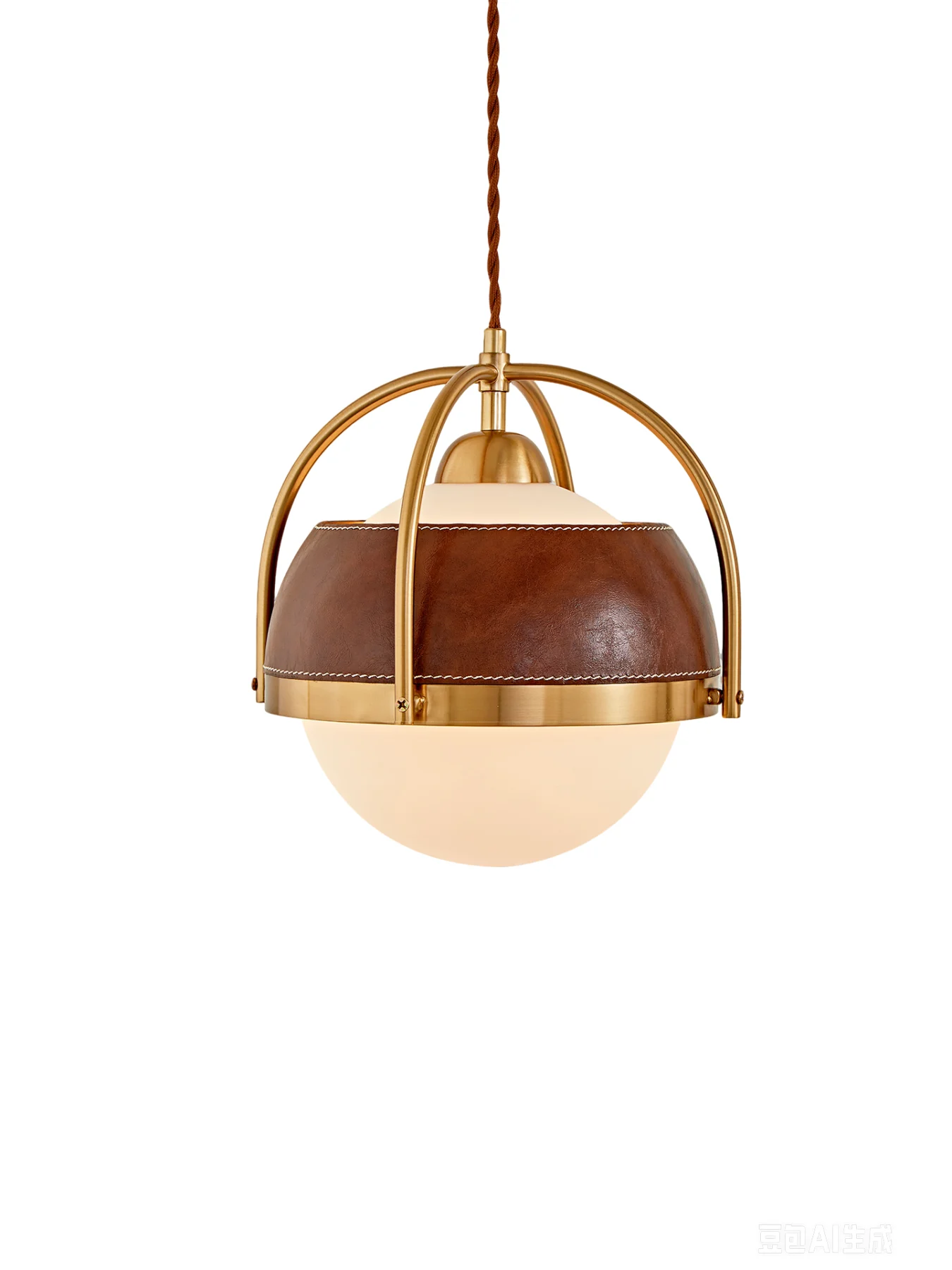
Technical specifications list D25 × H27 cm, Premium Genuine Cowhide Leather with an iron frame, Vintage Red Cowhide with Tan/Brown/Black customization, and an E27 lamp base.
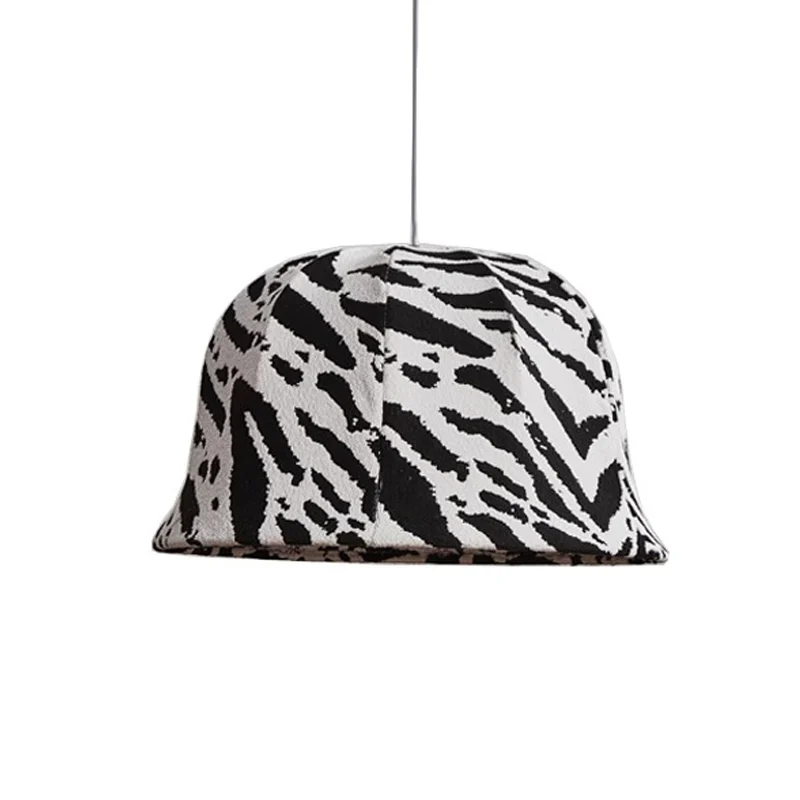
Technical specifications list D45 × H25 cm, hand-woven fabrics, and an E27 socket. The product title uses “linen fabric,” but the article relies only on the verified technical material wording.
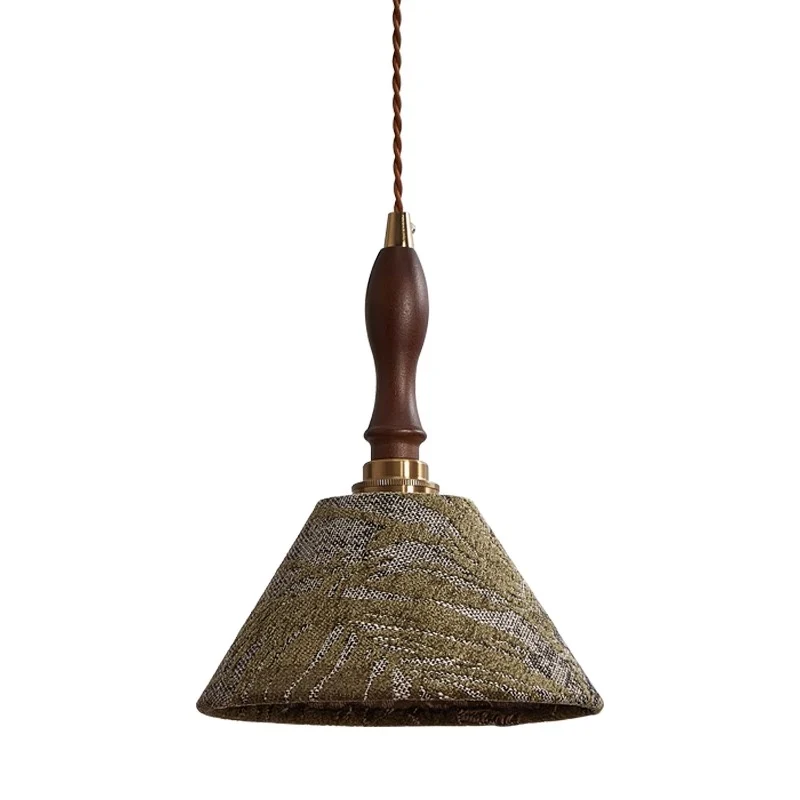
Technical specifications list two sizes, D13 × H30 cm and D18 × H25 cm, hand-woven fabrics plus wood, and an E27 socket.
Leather vs Fabric Material Selection Checklist
- ☐ Project area confirmed
- ☐ Required design character defined
- ☐ Fixture size confirmed
- ☐ Actual material confirmed
- ☐ Material sample reviewed
- ☐ Surface and texture reviewed
- ☐ OFF appearance reviewed
- ☐ ON appearance reviewed
- ☐ Bottom view checked
- ☐ Frame construction reviewed
- ☐ Batch consistency requirement defined
- ☐ Cleaning method confirmed
- ☐ Fire/material documents confirmed if required
- ☐ Packaging reviewed
- ☐ Replacement strategy considered
- ☐ Electrical configuration confirmed
What Should Buyers Sample Before Choosing?
For leather, consider the material swatch, surface, stitch or edge treatment, finished shade, and illuminated appearance. For fabric, consider the textile swatch, frame, seam, diffuser where applicable, and illuminated appearance. Not every project needs all of these; increase the sample depth when scale, quantity, visual sensitivity, or replacement risk is high.
Illustrative Example: Boutique Hotel Lounge
Illustrative example — not an OBBAO customer project.
A small lounge needs a warm, tactile identity. A leather pendant may contribute stronger material presence, but the team should verify surface, cleaning, finished weight, and ON effect. A fabric pendant may create softer volume and diffusion, but the team should verify frame, textile, maintenance, and replacement. Neither option is the automatic winner; the approved interior concept and sample determine the direction.
Illustrative Example: Repeated Guest-Room Program
Illustrative example — not an OBBAO customer project.
For repeated rooms, a leather option needs close control of material, surface expectation, panel construction, and replacements. A fabric option needs control of textile batch, color, frame, cleaning, and repeat consistency. As repetition increases, retained references and finished-sample approval become more important for both.
Common Mistakes When Comparing Leather and Fabric Lighting
- Choosing only from an OFF photograph. It cannot show the complete light effect.
- Assuming all leather products use genuine cowhide. Confirm the model specification.
- Assuming every fabric shade diffuses softly. Density, lining, and diffuser matter.
- Treating leather as automatically more durable. Durability depends on the actual material and finish.
- Treating fabric as automatically cheaper. Frame, scale, textile, and diffuser affect cost.
- Ignoring the frame. It controls geometry and supports the material.
- Increasing size without reviewing material behavior. Large-scale feasibility is model specific.
- Approving color only on a phone screen. Displays and lighting alter color perception.
- Ignoring batch variation in repeated installations. Compare multiple finished pieces together.
- Forgetting replacement planning. Future material batches or availability can differ.
- Assuming either material can always be folded. Compression can cause permanent deformation.
- Ignoring cleaning and documentation requirements. Confirm them before production.
Frequently Asked Questions
Are leather pendant lights suitable for hotels?
Yes, leather pendant lights can work in boutique hotels, suites, lounges, restaurants, and other hospitality areas when the material, finish, scale, and maintenance requirements suit the project.
Are fabric pendant lights better for hotel guest rooms?
Fabric is often practical for repeated guest-room installations because of its soft visual effect and flexible shade formats, but the best material depends on the design concept, cleaning requirements, and fixture specification.
Does leather block more light than fabric?
It can, but not always. Light transmission depends on the actual leather thickness, construction, openings, and light source. Fabric transmission also varies by textile density, color, lining, and diffuser.
Which material is easier to customize?
Both can be customized. Fabric and leather require different construction methods, so feasibility depends on the model, size, frame, material availability, and finish.
Do leather pendant lights have natural variation?
Some genuine leather products may show natural grain or tone variation. The expected material character should be reviewed during sampling rather than assumed.
Which material is better for restaurants: leather or fabric?
Neither is universally better. Leather may support stronger material identity, while fabric may support softer visual volume and diffusion. The right choice depends on the restaurant concept, fixture scale, light effect, and maintenance requirements.
Choose the Material Before You Finalize the Fixture
Leather and fabric can both create warm hospitality lighting, but they solve different design and procurement requirements. Send OBBAO the project type, reference image, target size, preferred material, color direction, quantity, target market, and packaging requirement to discuss the most suitable direction.