
A buyer may approve one handmade pendant and then receive a bulk order in which every piece looks slightly different. Some differences come naturally from ceramic firing, stone veining, or a hand-applied surface; others show that production has moved too far from the approved design.
The question is not whether handmade lighting variation can occur in bulk production. It is which characteristics must stay controlled, which may vary within an agreed range, and which are unacceptable deviations or damage.
Core principle: handmade does not mean uncontrolled, and consistency does not always mean exact duplication. Define controlled features and variable features separately before approving the sample.
Handmade Does Not Mean Uncontrolled
“Handmade” cannot excuse the wrong model, critical dimensions, electrical configuration, mounting, cable, canopy, missing components, cracks, or structural deformation. These are specification, function, or damage issues—not material character. A finish may show movement, but the fixture still needs to install and perform as approved.
Perfectly Identical Is Not Always a Realistic Target Either
Ceramic glaze, natural stone, handmade fiber, and hand-finished textures do not reproduce like printed graphics. The professional target is controlled variation: one recognizable collection and design intent, with material character kept inside an agreed visual family.
Controlled vs Variable Characteristics
| Fixture characteristic | Usually needs control | May allow agreed variation |
|---|---|---|
| Model and structure | Correct design, construction, and installation interface | Very limited |
| Critical dimensions | Final specification and project-critical fit | Only the material- and process-specific range agreed for the project |
| Cable length and canopy | Approved length, configuration, exits, size, and finish direction | Only within the agreed production requirement |
| Electrical components | Approved configuration | No unauthorized substitution |
| Ceramic glaze | Glaze family and overall color direction | Tone and movement within the approved range |
| Natural stone | Stone type, dimensions, finish, drilling, and edge condition | Veining, pores, and mineral patterns |
| Handmade texture | Approved finish direction | Surface character within the visual range |
| Fiber surface | Frame, silhouette, size, and color direction | Natural surface distribution where the product uses a handmade surface |
| Hand-finished metal | Finish family and overall direction | Controlled movement where the specified process is hand applied |
This is a procurement framework, not a universal manufacturing tolerance standard.
The Three Levels of Variation
Level 1 — Controlled specification
Model, structure, installation interface, critical dimensions, electrical configuration, cable, canopy, mounting parts, and quantity should be controlled so the approved fixture installs correctly.
Level 2 — Approved material variation
Ceramic tone, glaze movement, stone veining, fiber distribution, or hand-applied texture may vary within real samples, material references, or an agreed range—not an unlimited “every piece is unique” statement.
Level 3 — Unacceptable deviation
A strong color outlier, incorrect drilling, collapsed frame, or shade outside the approved silhouette is unacceptable, especially where installation, function, or structural integrity is affected.
Dimensional Tolerance Should Follow the Material and Construction
There is no responsible universal ±mm tolerance for every decorative light. A machined metal part and a large handmade ceramic shade need different logic. Tolerance depends on material, construction, scale, process, installation, and project requirements.
Identify dimensions that affect installation or alignment—such as mounting and shade openings, interfaces, diameter, height, and cable length—then record tolerances for the actual fixture instead of copying one number across materials.
Not Every Dimension Has the Same Importance
Critical dimensions
A critical dimension affects fit, installation, alignment, clearance, or component relationships. Identify it on the approved drawing and check it against the project requirement.
Reference dimensions
A reference dimension may describe an organic curve. It still needs a boundary, but not necessarily the same control logic as a mounting hole. This keeps inspection focused on consequences.
Ceramic: Shape, Glaze, and Firing Variation
For ceramic lighting, control the model, installation opening, dimensions, shape direction, and glaze family. Glaze movement, slight tone differences, and texture may be expected within the approved range.
A crack, serious chip, wrong glaze family, or strong distortion that affects the design or installation should not be accepted as firing character. The ceramic glaze variation guide examines glaze approval in more detail; this article uses ceramic as one part of a cross-material acceptance framework.
Handmade shape variation needs a visual limit
“Approximately 300 mm” does not define an organic shade. For a repeated row, combine an approved sample, dimensional range, and group review.
Marble and Travertine: Control the Product, Not the Veining
Control the stone type, dimensions, surface finish, drilling, mounting, and edge condition. Veining, pores, mineral patterns, and tonal movement are natural characteristics and should not be specified as identical copies.
Natural variation excludes cracks, broken corners, incorrect drilling, or wrong stone. Review adjacent fixtures together and coordinate placement to avoid a strong outlier; do not promise perfect vein matching.
For the earlier material-selection decision, see the ceramic, marble, and travertine comparison.
Handmade Fiber Surfaces: Consistent Silhouette, Natural Surface Character
For a handmade or hand-applied fiber surface, control silhouette, frame, size, suspension, material direction, and color. Surface distribution and fiber movement may vary within the approved direction.
Not every silk or fiber product is handmade; confirm the selected model. Surface difference does not excuse a bent, collapsed, or incorrectly assembled frame.
Fabric Fixtures Usually Need a Different Consistency Standard
Fabric fixtures emphasize frame geometry, fabric direction, seam position, tension, color, diffuser, and alignment. Their logic is not the same as stone or ceramic; approved seam and tension control should remain consistent.
Wabi-Sabi Is a Design Direction, Not Permission for Random Production
A wabi-sabi fixture may use irregularity, organic shape, or handmade texture. It still needs the correct scale, material, finish direction, safe construction, stable mounting, and repeatable overall character.
Irregular design still needs controlled manufacturing. If one piece no longer belongs visually to the approved family, calling it wabi-sabi does not resolve the production issue.
Hand-Finished Metal May Show Controlled Surface Movement
For a documented hand-brushed, hand-aged, antique-effect, or hand-painted product, surface movement may be intentional. Confirm the selected product’s process; do not assume every brushed or painted fixture is hand finished.
The accepted range should describe the overall finish family, tone, coverage, and gloss direction. A dent, corrosion, peeling finish, or wrong color is different from intentional hand-applied movement.
Consistency Does Not Always Mean Duplication
Consistency means each fixture belongs to the same collection and design intent; duplication means every mark, vein, and transition is identical. For natural or handmade materials, ask whether the group reads as one approved visual family. That is a usable standard for custom lighting consistency.
What Does an Approved Sample Actually Approve?
An approved sample may confirm design, scale, material, color and texture direction, assembly, electrical configuration, and light effect. It may not show the full range expected across handmade surfaces.
State whether the sample is an exact target, the center of a range, or a material-and-finish direction. Use the custom lighting sample approval checklist rather than an unlabeled photo.
One Sample Is a Target; a Range Defines the Production Window
Where variation is expected, retain a target plus real examples of acceptable light/dark or low/high texture endpoints. Use physical samples or agreed production material—not AI-generated comparisons. The range must stay tied to the product specification and cannot weaken critical dimensional, structural, electrical, or installation requirements.
Approved Variation Record
| Characteristic | Target | Acceptable variation | Not acceptable |
|---|---|---|---|
| Color | Approved sample | Within the agreed tone direction | Different color family or a clear group outlier |
| Texture | Approved handmade direction | Natural surface movement | Completely different finish or damaged surface |
| Stone pattern | Approved stone type and finish | Natural veining and pores | Wrong stone, broken edge, or incorrect drilling |
| Shape | Approved silhouette | Limited handmade character | Distortion affecting the design or installation |
| Dimensions | Final specification | Agreed production tolerance | Outside the approved specification |
Example framework only; it is not a universal standard.
Photos Help Document Variation, but They Are Not Perfect Color Standards
White balance, exposure, ambient light, and screens alter apparent color. Photos document shape, surface, batch relationships, and outliers, but critical color approval may still require a physical sample.
Production Reference Board
Model and buyer SKU
Physical reference or code
Target and approved range
Critical and reference
Final approved version
Comments and approval date
Update the board whenever color, texture, size, or finish changes; do not retain competing “final” references.
Review Repeated Fixtures Together
A fixture can look acceptable alone yet become an outlier in a restaurant row, hotel lobby, cluster, or display. Group review reveals one shade that is markedly darker, larger, or denser. Ask whether every fixture belongs within the approved visual family—not whether every handmade mark is identical.
Use the decorative lighting quality control checklist for the later pre-shipment inspection. This guide defines the variation range before that QC stage.
Installation Context Changes the Required Coordination
Repeated restaurant pendants
Pendants installed close together need stronger coordination of size, cable length, general tone, and silhouette. Natural material movement can remain, but a single obvious outlier becomes easier to see. The restaurant pendant lighting guide covers layout and hanging-height decisions separately.
Guest rooms
Small visual differences across separate rooms may be less noticeable than variations in a single row. Replacement planning, room consistency, and repeat orders still require retained references.
Lobby chandeliers and clusters
Multiple pieces in one field of view should be reviewed together for size, tone, drop, and shape. Group review may also guide the final placement of naturally varied pieces.
Lighting Brands Need Consistency Across Different Orders
A brand has to manage more than one bulk order. If the collection image shows a warm beige finish and a later batch shifts clearly toward yellow, catalog consistency may be affected even if each batch is internally consistent.
Retain the supplier model, buyer SKU, approved sample, finish code, material, dimensions, revision, and previous production photos. “Same as last order” is not a sufficient production reference. The replacement parts planning guide explains how records support future matching.
A New Batch May Require New Comparison
Natural materials and handmade finishes may change between material lots or over time. Do not promise an exact future match. Compare the new production with the retained approved reference and discuss material or process changes before production starts.
Variation should be defined during sample approval—not after the goods are finished. Record what must match, what may vary, and what is not acceptable. Then carry the approved revision into the sample-to-bulk production handover.
Before Approving a Handmade Fixture, Define These Five Things
- Which dimensions are critical? Identify measurements that affect fit, installation, clearance, and alignment.
- Which material characteristics may vary? Separate surface character from the fixed product specification.
- What is the approved visual direction? Use a physical sample, material reference, or documented range.
- What would clearly be outside the range? Define obvious color, shape, finish, and damage boundaries.
- How will the batch be reviewed? State whether pieces must be compared together and how outliers will be handled.
Handmade & Natural Material Variation Matrix
| Material / direction | Control | Expected variation | Sample approval | Extra attention |
|---|---|---|---|---|
| Ceramic | Model, openings, dimensions, silhouette, glaze family | Glaze movement, slight tone and handmade texture | Shape and glaze direction | Cracks, chips, distortion, group outliers |
| Natural stone | Stone type, finish, dimensions, drilling, edges | Veins, pores, mineral pattern, tone | Stone and finish direction | Wrong stone, damage, drilling and adjacent-piece coordination |
| Silk / fiber | Frame, silhouette, size, suspension, material and color direction | Surface distribution where handmade | Surface and lit appearance | Collapsed frame, density outlier, wrong construction |
| Fabric | Frame, direction, seam, tension, color, diffuser | Only what the specific fabric and construction allow | Fabric, seam, tension, light effect | Repeated alignment and color consistency |
| Hand-finished metal | Finish family, coverage, tone, gloss direction | Controlled hand-applied movement | Real finish reference | Dents, peeling, corrosion, wrong finish |
| Wabi-sabi / mixed handmade surface | Scale, materials, structure, mounting, overall character | Approved irregularity and organic texture | Silhouette and finish range | Random production presented as design intent |
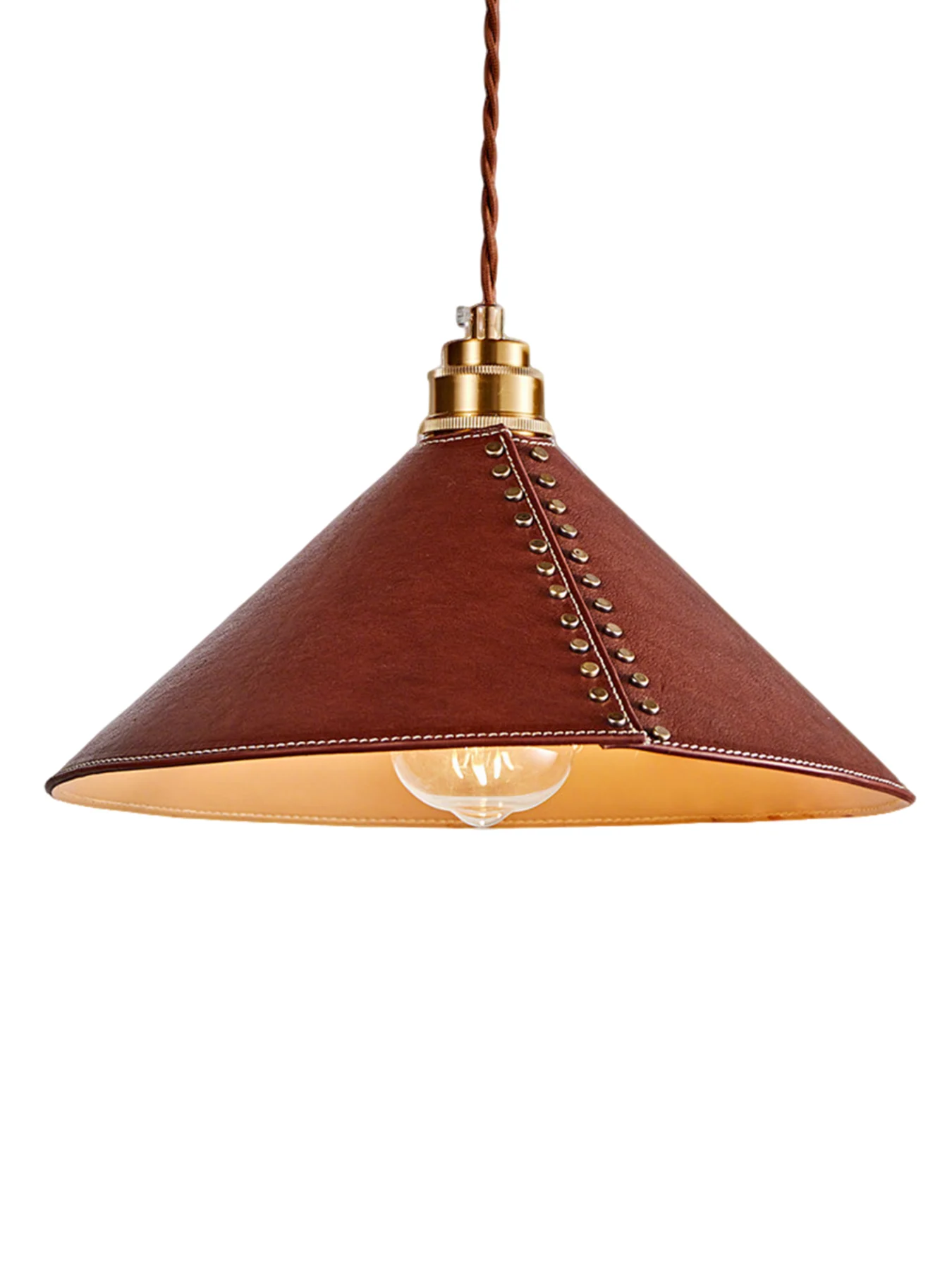
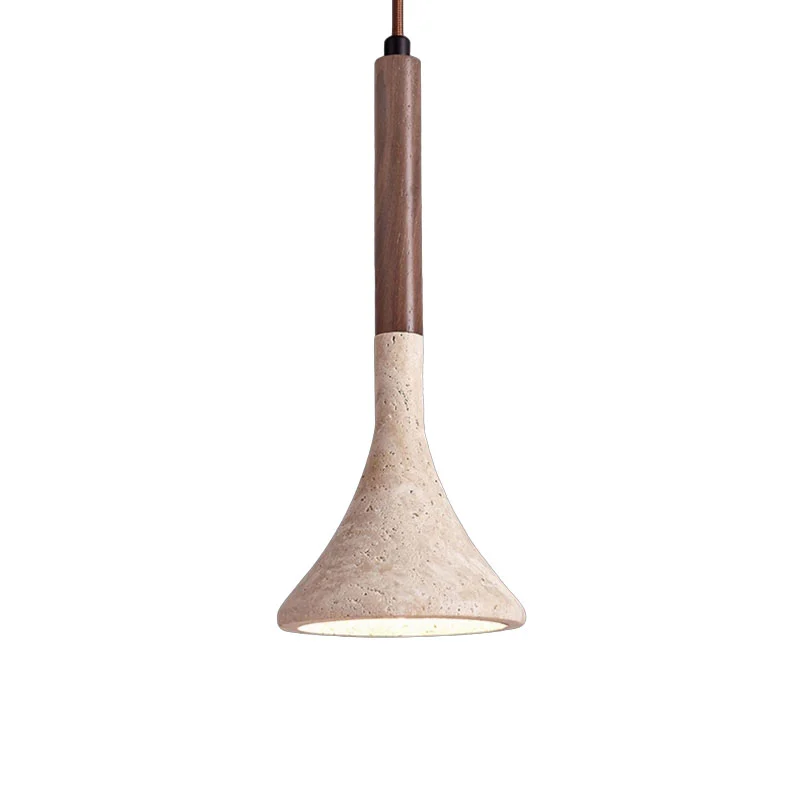
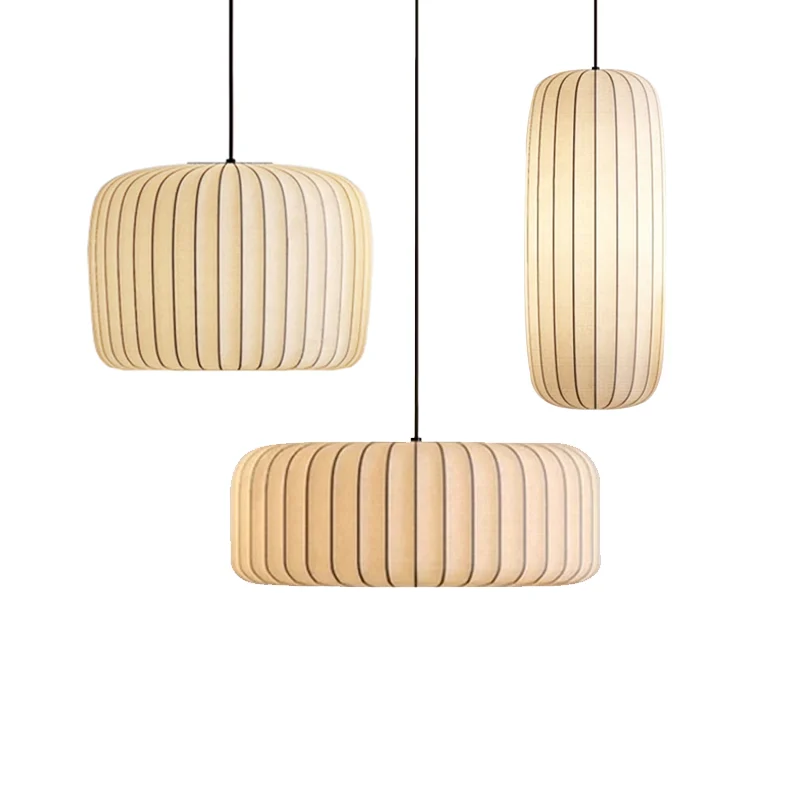
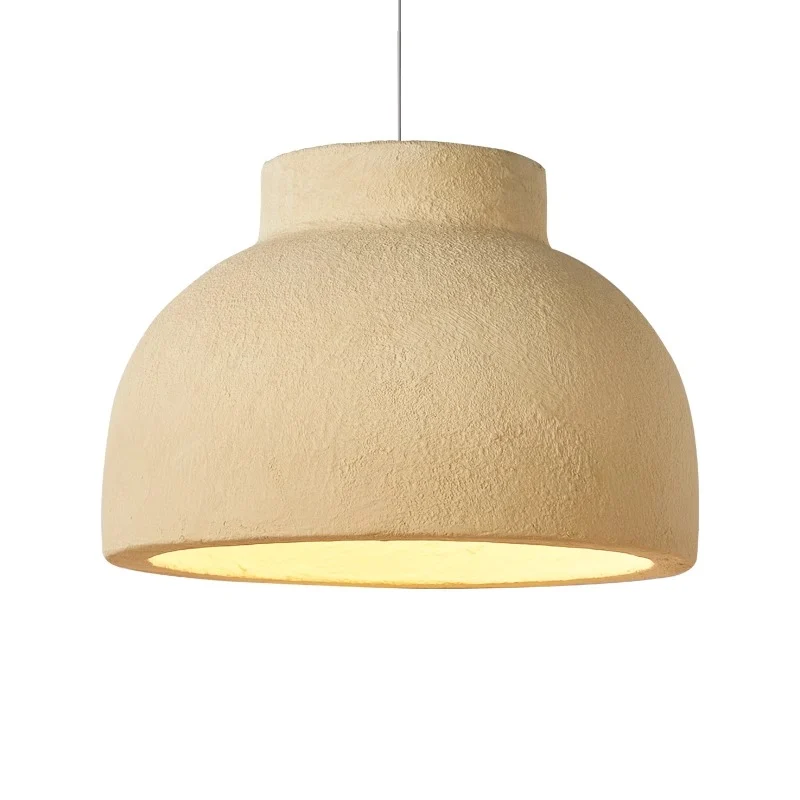
Real OBBAO Product References
These products illustrate different material categories; they do not establish universal tolerances. The acceptance range still needs to be agreed for the selected model and project.
Handmade Lighting Variation Worksheet
Material: ____________________
Critical dimensions: ____________________
Approved finish: ____________________
Variable characteristics: ____________________
Acceptable range: ____________________
Not acceptable: ____________________
Approved sample / version: ____________________
Repeat-order reference: ____________________
Illustrative Example: Ten Handmade Ceramic Pendants for a Restaurant
Illustrative example — not an OBBAO customer project.
Ten handmade ceramic pendants will hang in one dining area. The agreed size range, cable, canopy, overall glaze direction, and installation requirements must remain controlled. Subtle glaze movement and handmade texture may vary within the approved range.
A shade in a completely different color family, a cracked piece, an obvious size outlier, or the wrong cable is not acceptable. Because the fixtures are installed together, the production review should compare all ten as a group rather than approving each piece in isolation.
Illustrative Example: Travertine Wall or Pendant Fixtures
Illustrative example — not an OBBAO customer project.
Control the travertine type, finish, dimensions, drilling, mounting, and edge condition. Veining, pores, and mineral patterns will differ naturally. The goal is a coordinated material and tone direction—not identical patterns in every stone component.
Common Mistakes When Buying Handmade Decorative Lighting
- Requesting handmade character but expecting identical surfaces. Define consistency as an approved family, not printed duplication.
- Allowing “handmade” to excuse incorrect dimensions. Critical measurements remain part of the specification.
- Approving one photo without a physical or material reference. Screen color and exposure can mislead.
- Discussing variation only after bulk production. Agree on the range during sample approval.
- Defining color but not texture or gloss. These characteristics can change the apparent finish substantially.
- Inspecting natural stone like printed laminate. Control the stone type and finish, not the exact position of every vein.
- Checking fixtures separately but never as a group. Adjacent installation can reveal an outlier immediately.
- Failing to identify outliers. Small group variation may be acceptable while one extreme piece is not.
- Changing the finish without updating the approved reference. Use one current final revision.
- Expecting a repeat order to match from memory. Retain samples, codes, dimensions, and photos.
- Using one universal tolerance for every material. Set material- and construction-specific requirements.
- Treating natural variation and damage as the same issue. Material character does not include broken or defective work.
Variation Is Not an Excuse for Damage
Ceramic variation is not a crack. Stone veining is not a broken edge. Fiber surface variation is not a collapsed frame. Hand-finish movement is not a dent. Material character and product damage must be evaluated separately.
Variation Is Also Not an Excuse for the Wrong Specification
The wrong voltage, cable length, canopy, model, quantity, mounting part, or size affecting installation cannot be accepted because a fixture is handmade. These are controlled project requirements.
What Buyers Should Send When Consistency Matters
- Product model and buyer SKU
- Quantity and installation layout
- Whether fixtures will be installed side by side
- Critical and reference dimensions
- Material and finish direction
- Physical sample or material reference, if available
- Reference photos with their intended purpose
- Desired level of visual uniformity
- Repeat-order expectations
Using handmade ceramic, stone, or fiber fixtures in a repeated installation? Define which characteristics must stay controlled and which natural variations are acceptable before bulk production starts.
Frequently Asked Questions
Should handmade pendant lights look exactly the same?
Not always. Handmade and natural materials can show variation, but critical dimensions, structure, electrical configuration, and the approved overall design still need to remain controlled.
Is variation in ceramic glaze considered a defect?
Not automatically. Glaze movement or tone variation within an approved range may be part of the material character. Cracks, serious chips, a wrong glaze direction, or clear outliers are different issues.
How much size variation is acceptable in handmade lighting?
There is no universal tolerance for every decorative fixture. The acceptable tolerance should depend on the material, manufacturing process, and whether the dimension affects installation or visual alignment.
Should natural stone pendant lights have identical patterns?
No. Natural marble and travertine have unique veining, pores, and mineral patterns. Buyers should approve the stone type, tone, and finish rather than expect identical natural patterns.
How should a hotel or restaurant approve handmade lighting for repeated installation?
Define the controlled dimensions and finish direction, approve a sample or reference range, tell the supplier the fixtures will be installed together, and review multiple finished pieces as a group.
Can a repeat order match a previous handmade lighting batch exactly?
Not always. Material batches and handmade finishes may vary over time, so retain the approved sample, finish reference, dimensions, and production records for comparison.
Define the Variation Before You Define the Defect
Handmade decorative lighting works best when material character and production control are agreed together. Send OBBAO the product model, project quantity, material, finish direction, installation layout, sample reference, and required consistency to discuss a practical sample and production-reference approach before bulk production.
Discuss Material Consistency View Custom Lighting Case Studies