
A decorative pendant can look correct as one approved sample and still appear inconsistent when 30 finished fixtures are placed together. The shade may be right while the canopy is warmer; two fabric lots may separate under the same light; or one ceramic piece may become an obvious outlier. Lighting finish consistency in a bulk decorative lighting order therefore needs to be controlled from one approved reference—not judged only after production is complete.
“Same Color” Is Not a Production Specification
“Beige,” “brass,” or “black” describes a color family, not a complete finish. Warm beige and grey beige can look unrelated. Matte black, satin black, and textured black react differently to light. Antique brass may include both an overall tone and hand-finished character.
A usable production instruction identifies the substrate, surface treatment, tone, gloss, texture, visible components, and current reference. In short: color match does not equal complete finish match.
A Lighting Finish Has Several Variables
Finish may include color family, undertone, gloss or matte direction, texture, material, coating, plating, glaze, grain, textile weave, cable color, canopy finish, and visible hardware. Buyers do not need a laboratory description for every order, but they do need enough information to prevent different people from interpreting one color name differently.
What Needs to Stay Consistent?
| Element | Main Consistency Check | Typical Reference |
|---|---|---|
| Shade color | Tone and color direction | Approved sample or swatch |
| Surface texture | Texture direction and density | Physical sample plus controlled photos |
| Gloss level | Matte, satin, or gloss direction | Approved sample |
| Metal finish | Tone, treatment, and visible surface | Finish chip or sample plate |
| Ceramic glaze | Approved color and texture range | Glaze or finished-fixture sample |
| Fabric | Color, weave, lot, lining, and construction | Approved textile |
| Silk or fiber | Tone and overall surface direction | Approved finished sample |
| Cable | Color and type | Specification or actual cable |
| Canopy | Color, gloss, and treatment | Approved fixture or finish chip |
| Visible hardware | Coordinated visible finish | Final specification |
This is a project-control framework, not a universal manufacturing standard.
1. Establish One Final Finish Reference
A project needs one final production reference: an approved fixture, finish plate, ceramic glaze sample, textile swatch, metal chip, or physical material board. A WhatsApp photograph, rendering, old sample, new swatch, and Pantone number should not all remain competing “final” standards.
Decide Which Reference Wins
If a rendering shows warm beige, the color code appears cooler, and the approved physical sample is different again, record the priority explicitly—for example, “Production Finish Reference: Approved Sample V3.” Do not leave the factory to guess which document supersedes the others.
Finish Reference Record
Supplier Model:
Material:
Finish Name:
Finish Code:
Approved Sample / Swatch:
Revision:
Approval Date:
Photo Reference:
Comments:
Name iterations clearly. “Finish V1,” “Finish V2,” and “Approved Finish V3” are safer than “sample,” “new sample,” and “latest sample.” Codes such as FN-01A to FN-01C are illustrative only; the important point is that everyone knows which reference is approved.
2. Separate Material Reference From Color Reference
“Warm beige fabric” should become something like “Fabric A + Beige 03.” The same logic applies to “Ceramic Body A + Glaze G03” or “Metal substrate + Finish M02.” A nominally identical color can look different on smooth metal, porous ceramic, woven fabric, and a fibrous handmade surface.
Pantone or RAL Is a Communication Tool
Pantone or RAL can communicate paint direction, but it is not always the final physical finish. Ceramic glaze, textured fabric, silk or fiber, plating, and natural stone are also affected by substrate, gloss, surface structure, and viewing light. Use a code to narrow interpretation, then approve the real material when visual risk matters.
Never Use a Phone Screen as the Only Standard
Camera white balance, screen calibration, brightness, editing, and ambient light can all alter appearance. Photos are useful for communication and records, but a physical reference is more reliable for a high-risk finish. When remote review is necessary, photograph sample and production under comparable lighting, angle, distance, and camera settings.

3. Approve Visible Components Together
A pendant is not only its shade. A warm beige shade, dark-bronze canopy, brown cable, and visible black lamp holder form one visual system. Approving each item in isolation can still produce a mismatched complete fixture.
The canopy deserves its own record: color, gloss, paint or plating direction, and visible screws or hardware. “Matching canopy” is too vague. Cable type and actual color should also be recorded, especially for beige, white, brown, black, and fabric-braided cables. A red-brown cable can disturb an otherwise coherent warm-neutral fixture.
4. Lock the Material Before Bulk Production
If the sample used Material A, production should not quietly move to Material B because it looks “close.” A substitute may change texture, transmission, gloss, weight, durability, or the way a coating appears. When supply constraints require a change to fabric, paint, metal finish, canopy, or another visible part, assess its impact and reconfirm it before proceeding.
This is where the buyer’s approved specification and the supplier’s change notice meet. It is also distinct from choosing custom pendant light finishes: customization defines what will be made; finish control keeps that approved choice stable.
Material-Specific Finish Control
Fabric: Control the Lot, Color, and Construction
Record the fabric reference, color, weave, backing or lining, seam direction, and frame. Where dye lots apply, review the actual lot used for related fixtures and avoid visibly mixing different tones in repeated hotel rooms. No responsible supplier should promise that every textile batch is eternally identical.
Silk and Fiber: Control the Overall Direction
Hand-applied or organic surfaces may show individual variation. Control the color family, silhouette, surface-density direction, frame, and approved material. Handmade character is not a reason to accept obvious color drift, but it is also not realistic to demand that every fiber occupy the same position.
Ceramic: Work With an Approved Range
Ceramic glaze can show tone movement, pooling, and texture variation. Use an approved range to separate expected character from an outlier; do not demand a pixel match or invent a generic numerical tolerance. The ceramic glaze variation guide explains the material behavior in more detail.
Stone and Marble-Effect Materials
Natural marble or travertine consistency means the correct stone type, overall tone, finish, and dimensions—not identical veining, pores, or mineral patterns. Marble-effect and sintered-stone products must be described according to their actual construction, never relabeled as natural marble. Their pattern and finish should be reviewed using the product-specific reference.
Metal, Leather, and Organic Surfaces
For painted, plated, brushed, polished, antique-effect, or textured metal, confirm overall tone, gloss, visible surface, and brushing direction where relevant. Coordinate frames, canopies, and hardware as one finish family. For leather, confirm whether it is genuine or another specified material before discussing natural grain. Wabi-sabi or hand-finished surfaces can retain irregular texture while still following an approved color family, silhouette, and project character.
5. Review Early Bulk Pieces
When finish risk is high, reviewing first-off or early production pieces may reveal drift before the entire order is complete. Compare color, surface, material, hardware, cable, canopy, and light-on appearance with the approved sample. The useful quantity depends on the product and order; there is no universal first-off number.
If the cause is wrong material, a changed process, or an ambiguous instruction, correct the source—not only the photographed piece. Record any buyer-approved change, update the revision, and make the new reference available to production.
6. Create Finish Families for Related Components
For a multi-model project, manage finishes at two levels: the SKU reference for each fixture and the collection-level family shared across models. This prevents one team from interpreting “dark bronze” differently for a canopy, frame, and wall plate.
| Finish Code | Material | Target Direction | Used On | Approved Reference |
|---|---|---|---|---|
| F01 | Fabric | Warm beige | PL-01 / PL-02 | Swatch V2 |
| M01 | Metal | Dark bronze | Canopy / frame | Sample plate |
| C01 | Ceramic | Warm sand | PL-03 | Approved fixture |
Illustrative project-management example only; this is not a fixed OBBAO coding system.
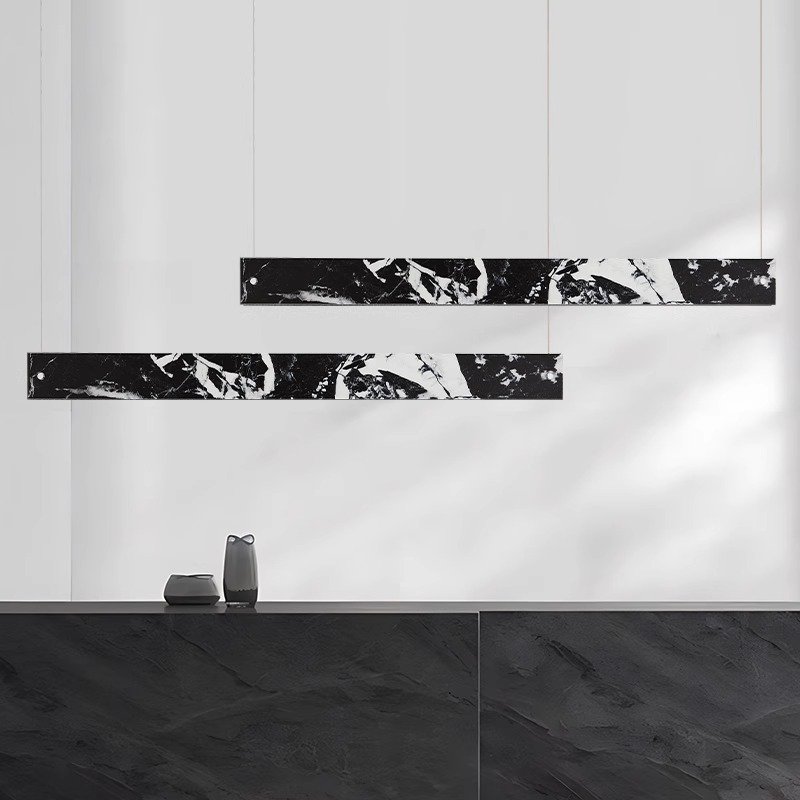
7. Review the Batch as a Group
A fixture can look acceptable alone yet appear different in a row, cluster, or retail display. Compare several units under comparable light, both off and on where the material transmits or reflects light. Group review helps reveal a darker shade, warmer canopy, different cable, or surface-density outlier that isolated photos can hide.
This matters for repeated guest rooms, restaurant rows, villa clusters, and brand collections. Identify outliers first, then determine whether the cause is normal material movement, wrong finish, changed substrate, damage, or photography. Scratches, abrasion, stains, and chips are condition issues—not natural finish variation.
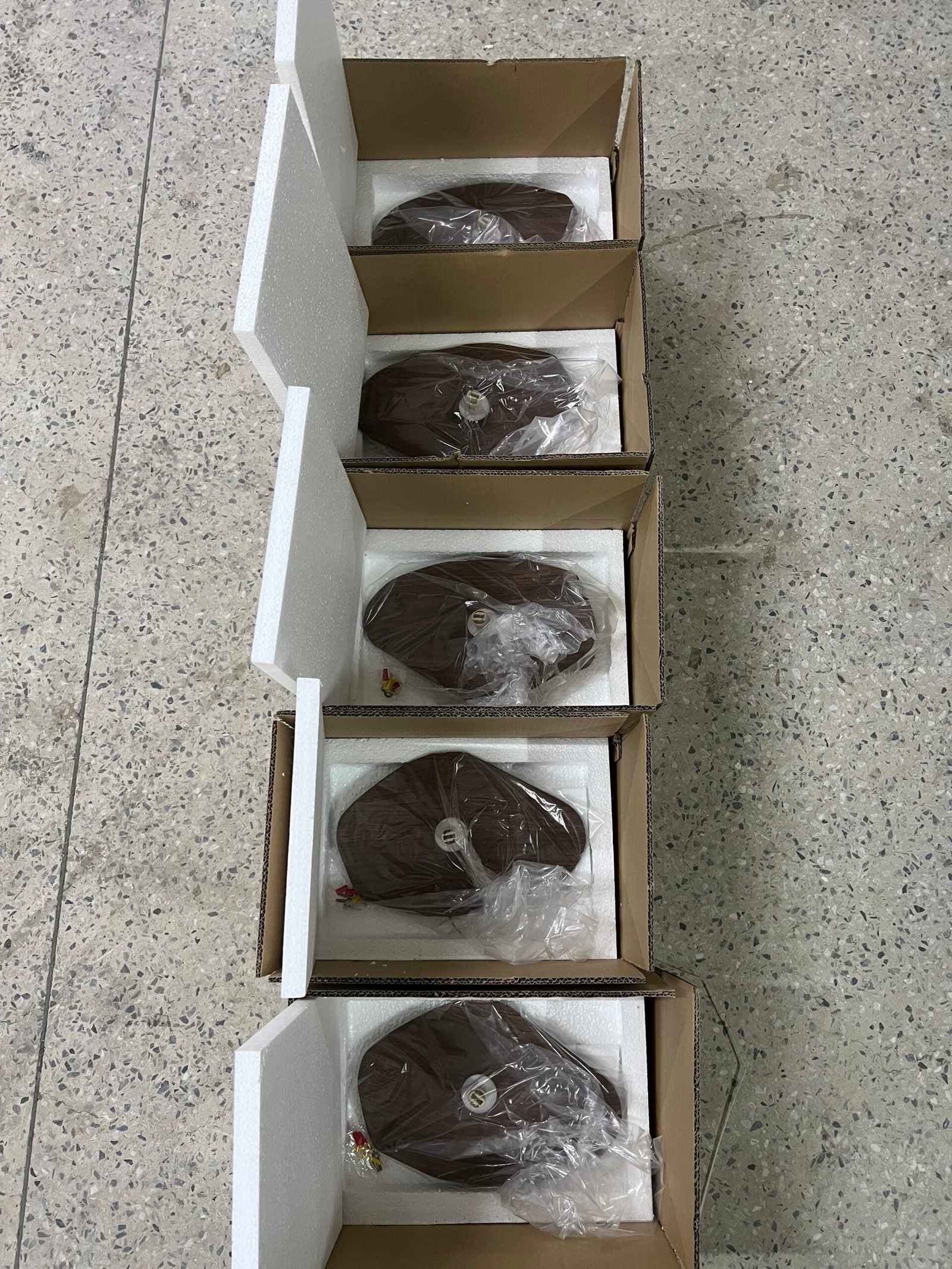
8. Record Corrections and Repeat-Order References
If a buyer asks to make the finish warmer during production, the message must become a controlled revision. Do not leave the old specification active while a chat message describes a new target.
| Revision | Date | Change | Reference | Status |
|---|---|---|---|---|
| V1 | — | Initial sample | Sample V1 | Rejected |
| V2 | — | Warmer beige | Sample V2 | Approved |
For a reorder, retain the approved sample, finish code, material, supplier model, buyer SKU, photos, and final revision. “Same as last order” is not enough after fabric lots, raw materials, finishing processes, or component suppliers change. Revalidation or a new sample may be appropriate when the change is visually significant; it is not mandatory for every reorder. The same record also supports future lighting replacement parts, although an exact future match cannot be promised.
Finish Consistency Workflow
This workflow controls the finish before and during production. The separate decorative lighting quality control checklist asks whether finished goods, electrical details, accessories, labels, and packing match before shipment.
Real Case Evidence
Wabi-Sabi Villa Finish Confirmation
In a documented European villa project, the design team needed a warmer textured pendant with adjusted size and a softer surface color. The recorded route was design-reference review, material and finish selection, color-sample confirmation, dimensional adjustment, sample approval, bulk-production planning, inspection, and export packing. The evidence included real product photographs and texture close-ups. The lesson is modest but useful: finish consistency begins with a confirmed reference before bulk production; the case does not establish an exact Pantone match, defect rate, or zero-variation result.
A currently published wabi-sabi pendant sample case separately shows how real sample photos, material discussion, inner-shade detail, and inspection evidence support finish review without exposing the customer’s identity.
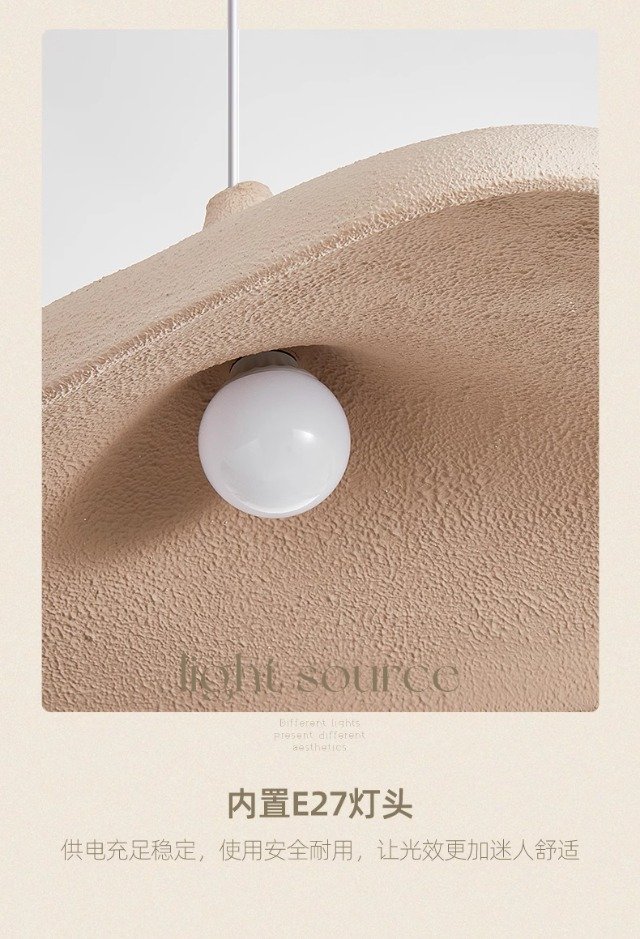
Finish Direction Across a Lighting Collection
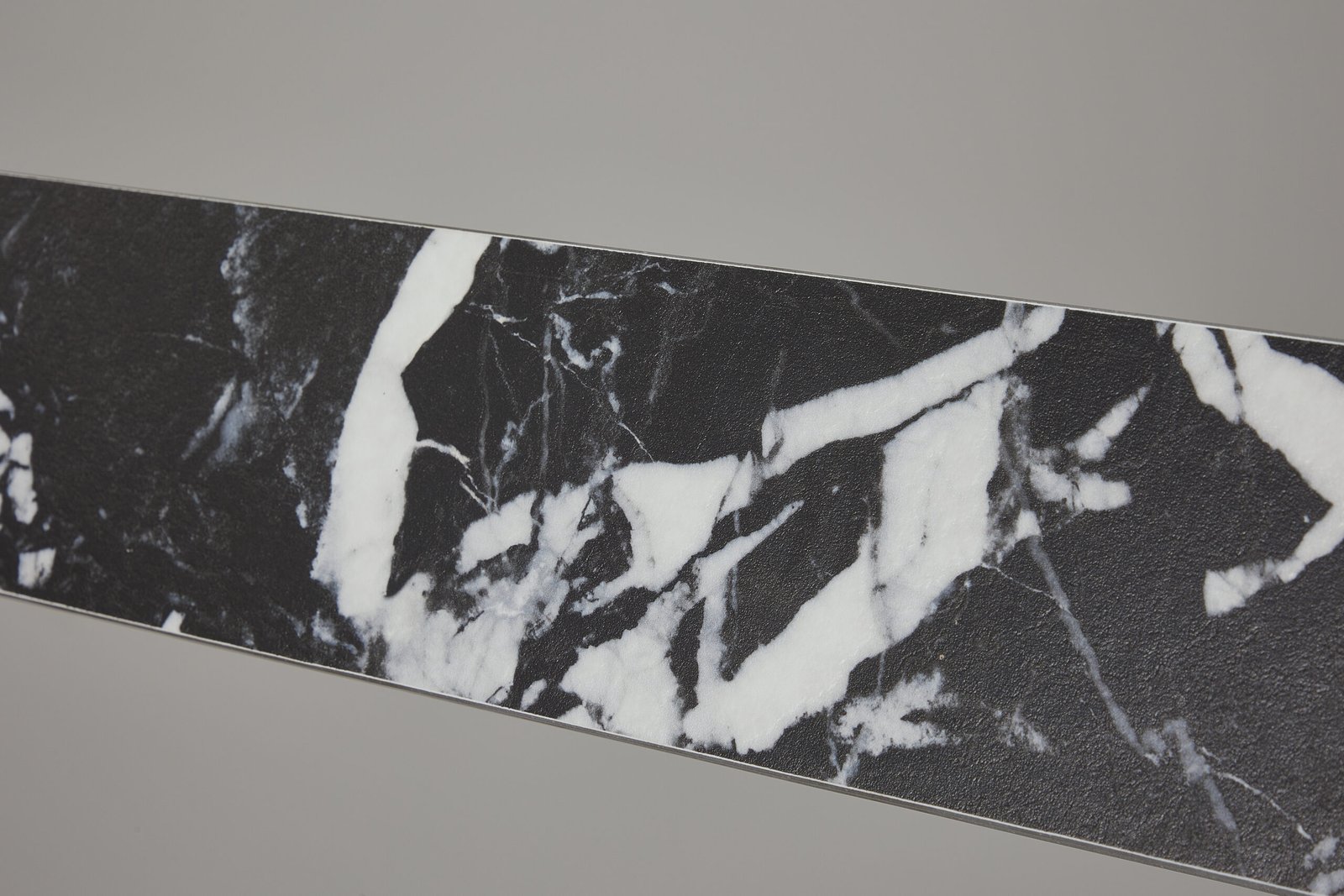
OBBAO’s marble-effect decorative lighting collection case covers several models, a consistent material direction, custom finish and shape review, SKU photography, finish/material matching, and sample planning. It demonstrates why a brand collection needs both collection-level direction and SKU-level review. It does not claim that a completed bulk run achieved perfect color identity.
Two Illustrative Project Examples
30 Pendants for a Boutique Hotel
Illustrative example—not an OBBAO customer project. A fabric shade uses warm beige, a dark-bronze canopy, and a brown cable. Risks include two textile lots, a yellow canopy, and a red-brown cable. The team approves the complete fixture, assigns references to each visible component, keeps related room fixtures visually coordinated, and reviews a group before shipment. Buyers specifying repeated rooms can also consult the fabric pendant lights for hotel guest rooms guide.
Ceramic and Metal Restaurant Pendants
Illustrative example—not an OBBAO customer project. The ceramic glaze can move within its approved natural range, while the metal canopy and cable follow their own fixed references. One canopy that is visibly warmer than all others is not “ceramic handmade variation.” Review each material correctly, then assess the complete group.
Common Finish Consistency Mistakes
- Writing only “beige.” The name omits undertone, material, gloss, and texture.
- Using a phone photo as the only reference. Screen and camera differences can distort color.
- Approving the shade but forgetting the canopy. The complete fixture may still clash.
- Mixing material lots without review. Related units can separate visibly when installed together.
- Allowing silent substitution. A similar material can change both finish and performance.
- Treating Pantone as an exact guarantee. Substrate and surface still affect appearance.
- Reviewing fixtures only one at a time. Group comparison exposes outliers.
- Confusing natural variation with wrong finish. Diagnose the source before accepting or rejecting it.
- Changing direction without updating the revision. Production needs one current instruction.
- Keeping old and new samples together without labels. “Latest” is not an auditable status.
- Ignoring cable and visible hardware. Small parts can disrupt the intended palette.
- Assuming a repeat order will automatically match. Materials and processes can change.
- Comparing photos taken under different light. The review conditions create false differences.
- Waiting for final inspection. Early bulk review can reduce the scale of correction.
Bulk Lighting Finish Consistency Checklist
- ☐ Final material confirmed
- ☐ Approved finish sample identified
- ☐ Finish code recorded
- ☐ Revision recorded
- ☐ Shade color confirmed
- ☐ Texture / gloss confirmed
- ☐ Cable color confirmed
- ☐ Canopy finish confirmed
- ☐ Visible hardware confirmed
- ☐ Substitutions require review
- ☐ Early bulk pieces reviewed where needed
- ☐ Multiple units reviewed together
- ☐ Outliers identified
- ☐ Production photos recorded
- ☐ Reference retained for reorder
Finish Consistency Worksheet
Supplier Model:
Material:
Finish Family:
Finish Code:
Approved Reference:
Shade Finish:
Frame Finish:
Cable:
Canopy:
Visible Hardware:
Natural Variation Expected:
Outlier Definition:
Revision:
Repeat-Order Reference:
What Buyers Should Send—and Suppliers Should Return
Send the product model, quantity, project or collection use, material, target finish, reference image, Pantone or RAL where relevant, physical sample or material board if available, gloss direction, cable color, canopy finish, installation grouping, side-by-side visibility, and repeat-order expectation.
Ask the supplier to return material confirmation, sample photos, a physical sample where needed, finish code and revision, updated specification, early-production photos, batch or group photos, and a change notice if the approved material becomes unavailable. Teams evaluating that capability before selection can use the decorative lighting manufacturer checklist.
After production, protect the approved surface from scratches, rubbing, stains, chips, and compression. The fragile decorative lighting packaging guide covers that separate stage.
Lock the Finish Before You Scale the Order
Finish consistency is easier to control when the approved reference is clear before bulk production begins. Send OBBAO the product model, project quantity, target material, finish reference, relevant color code, canopy requirement, cable color, installation layout, and repeat-order requirement to discuss the sample and production-reference route.
Frequently Asked Questions
How can lighting finish consistency be controlled in bulk production?
Start with one approved physical or documented reference, record the material and revision, confirm visible components such as shade, canopy, and cable, review early production where risk warrants it, and compare multiple pieces against the same target.
Is a Pantone color enough to approve a decorative lighting finish?
Not always. Pantone can communicate a direction, but ceramic glaze, fabric, stone, silk or fiber, plating, and textured finishes can appear different because of material, gloss, and surface structure.
Why can a bulk lighting order look different from the approved sample?
Differences can come from material batches, finish processes, component changes, natural variation, photography, or an unclear production reference. Identify the cause rather than assuming every difference is normal.
Should every handmade decorative light look identical?
No. Handmade and natural-material products may have agreed variation, but they should still remain within the approved design and finish direction.
How should hotel buyers control repeated guest-room lighting?
Keep one approved reference, record shade and hardware finishes, control cable and canopy colors, coordinate material lots where applicable, and review multiple finished units together before shipment.
Can a repeat lighting order match the previous batch exactly?
Not always. Materials and processes can change between production runs, so retain the approved sample, material, finish code, photos, and revision, then revalidate changes that could affect the visual result.